Nigeria’s Top 5 Armed Forces Securing the Giant of Africa
0
(0)
Nigeria, Africa’s most populous nation and a regional powerhouse, maintains a robust military infrastructure to protect its sovereignty and ensure national security. The country’s armed forces play a crucial role in safeguarding Nigeria’s territorial integrity, combating insurgency, and contributing to international peacekeeping efforts. This article delves into the top five armed forces in Nigeria, exploring their history, roles, and significance in maintaining the nation’s stability and defense.
As we examine these key components of Nigeria’s military apparatus, we’ll uncover the unique strengths and challenges faced by each branch. From the nation’s land-based defense to its maritime and aerial capabilities, Nigeria’s armed forces form a comprehensive shield against external threats and internal security challenges. Understanding the structure and functions of these forces provides valuable insight into Nigeria’s defense strategy and its position as a military power in West Africa.
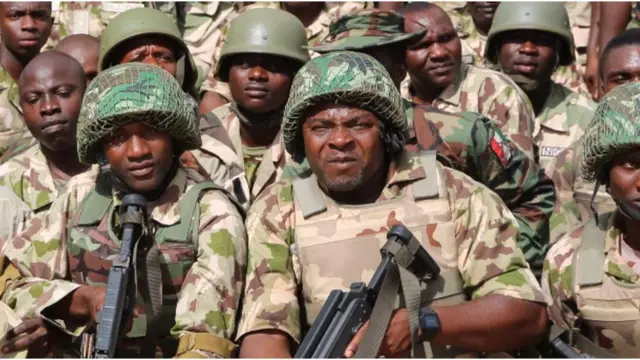
The Nigerian Army stands as the largest and oldest branch of the Nigerian Armed Forces, tracing its roots back to 1863 when the British colonial government established the Glover Hausas. Since Nigeria’s independence in 1960, the Army has evolved into a formidable force, playing a pivotal role in the country’s defense and internal security operations.
With a strength of approximately 130,000 active personnel, the Nigerian Army is organized into divisions, brigades, and battalions spread across the country. Its primary responsibilities include defending the nation against external aggression, maintaining internal security, and supporting civil authorities in times of crisis. The Army has been at the forefront of combating insurgency in the northeastern part of the country, particularly in the fight against Boko Haram and other extremist groups.
The Nigerian Army’s capabilities extend beyond conventional warfare. It has demonstrated its versatility in various peacekeeping missions across Africa and beyond, contributing significantly to regional stability. The Army operates a wide array of equipment, including main battle tanks, armored personnel carriers, artillery systems, and a range of small arms and light weapons.
In recent years, the Nigerian Army has focused on modernizing its equipment and improving its training programs to enhance its operational effectiveness. This includes the acquisition of new armored vehicles, improved communication systems, and the adoption of advanced tactics to counter asymmetric threats. The Army’s efforts in research and development, particularly through the Nigerian Army Institute of Technology and Environmental Studies, underscore its commitment to technological advancement in military operations.
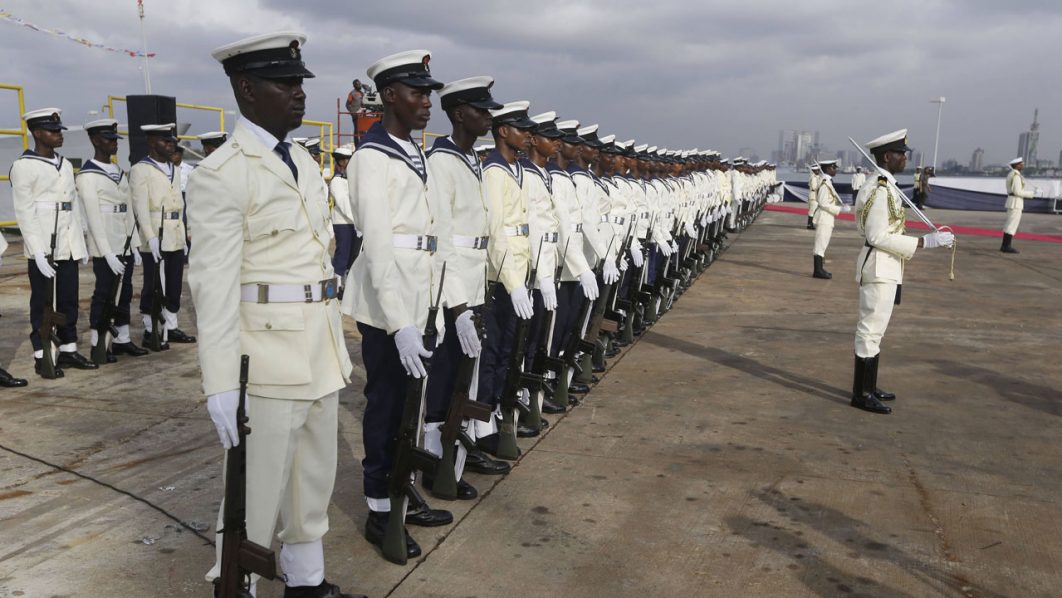
The Nigerian Navy, established in 1956, serves as the maritime arm of the Nigerian Armed Forces. With its strategic location along the Gulf of Guinea, the Navy plays a critical role in protecting Nigeria’s vast coastline, securing offshore oil installations, and combating maritime crimes such as piracy and oil theft.
Comprising approximately 25,000 personnel, the Nigerian Navy operates a fleet of frigates, corvettes, fast attack craft, and patrol boats. Its primary missions include maritime defense, protection of Nigeria’s Exclusive Economic Zone (EEZ), and ensuring the safety of shipping lanes in Nigerian waters. The Navy’s capabilities are crucial for safeguarding the nation’s maritime resources and supporting its blue economy initiatives.
The Nigerian Navy has made significant strides in recent years to enhance its operational capacity. This includes the acquisition of new vessels, the establishment of forward operating bases along the coastline, and the development of indigenous shipbuilding capabilities. The Naval Dockyard Limited in Lagos has successfully constructed several patrol vessels, demonstrating the Navy’s commitment to self-reliance in maritime defense.
One of the Navy’s notable achievements has been its role in reducing piracy incidents in the Gulf of Guinea, which was once considered one of the world’s piracy hotspots. Through increased patrols, collaboration with regional partners, and the use of advanced maritime domain awareness systems, the Nigerian Navy has significantly improved maritime security in its area of responsibility.
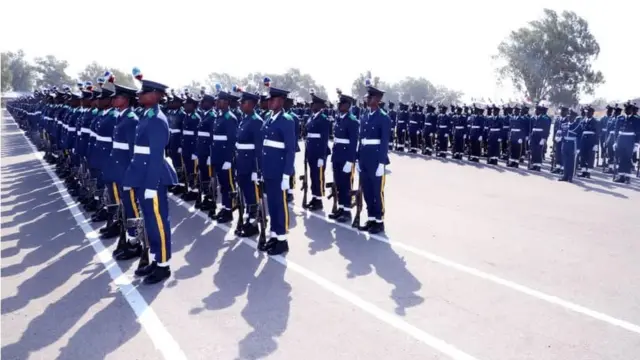
The Nigerian Air Force (NAF), established in 1964, is the aerial warfare branch of the Nigerian Armed Forces. As the youngest of the three military branches, the NAF has rapidly evolved to become a critical component of Nigeria’s defense strategy, providing air support for ground operations and conducting independent air campaigns when necessary.
With a strength of about 18,000 personnel, the Nigerian Air Force operates a diverse fleet of aircraft, including fighter jets, transport planes, helicopters, and unmanned aerial vehicles (UAVs). Its primary roles include maintaining air superiority over Nigerian airspace, providing close air support for ground forces, conducting aerial reconnaissance, and participating in humanitarian and disaster relief operations.
The NAF has played a crucial role in Nigeria’s counter-insurgency efforts, particularly in the northeastern part of the country. Its air strikes against terrorist hideouts and logistical support for ground troops have been instrumental in degrading the capabilities of insurgent groups. Additionally, the Air Force’s airlift capabilities have proven invaluable in rapid deployment of troops and delivery of humanitarian aid to remote areas.
In recent years, the Nigerian Air Force has focused on modernizing its fleet and enhancing its technological capabilities. This includes the acquisition of new fighter aircraft, such as the JF-17 Thunder, and the development of indigenous UAV systems. The Air Force has also invested in improving its training facilities, including the establishment of the Air Force Institute of Technology, to ensure its personnel are equipped with the latest skills and knowledge in aerial warfare.
While not traditionally considered part of the armed forces, the Nigerian Police Force (NPF) plays a crucial role in maintaining internal security and law enforcement across the nation. Established in 1930, the NPF is the primary law enforcement agency in Nigeria, with a presence in all 36 states and the Federal Capital Territory.
With an estimated strength of over 370,000 personnel, the Nigerian Police Force is one of the largest law enforcement agencies in Africa. Its responsibilities are vast, ranging from crime prevention and detection to traffic management and crowd control. The NPF also plays a critical role in counter-terrorism efforts, working alongside the military in areas affected by insurgency.
The NPF is structured into various departments and units, each focusing on specific aspects of law enforcement. These include the Criminal Investigation Department (CID), the Mobile Police Force (MOPOL), and specialized units for tackling cybercrime, anti-narcotics, and counter-terrorism. This diverse structure allows the NPF to address a wide range of security challenges facing the nation.
In recent years, the Nigerian Police Force has undergone significant reforms aimed at improving its effectiveness and public image. These efforts include enhanced training programs, the introduction of community policing initiatives, and the adoption of modern policing technologies. The NPF has also focused on improving its forensic capabilities and intelligence gathering to better combat sophisticated criminal networks.
Despite facing challenges such as underfunding and allegations of misconduct, the Nigerian Police Force remains a critical component of Nigeria’s security architecture. Its role in maintaining law and order, especially in urban areas, complements the efforts of the military in ensuring national security.
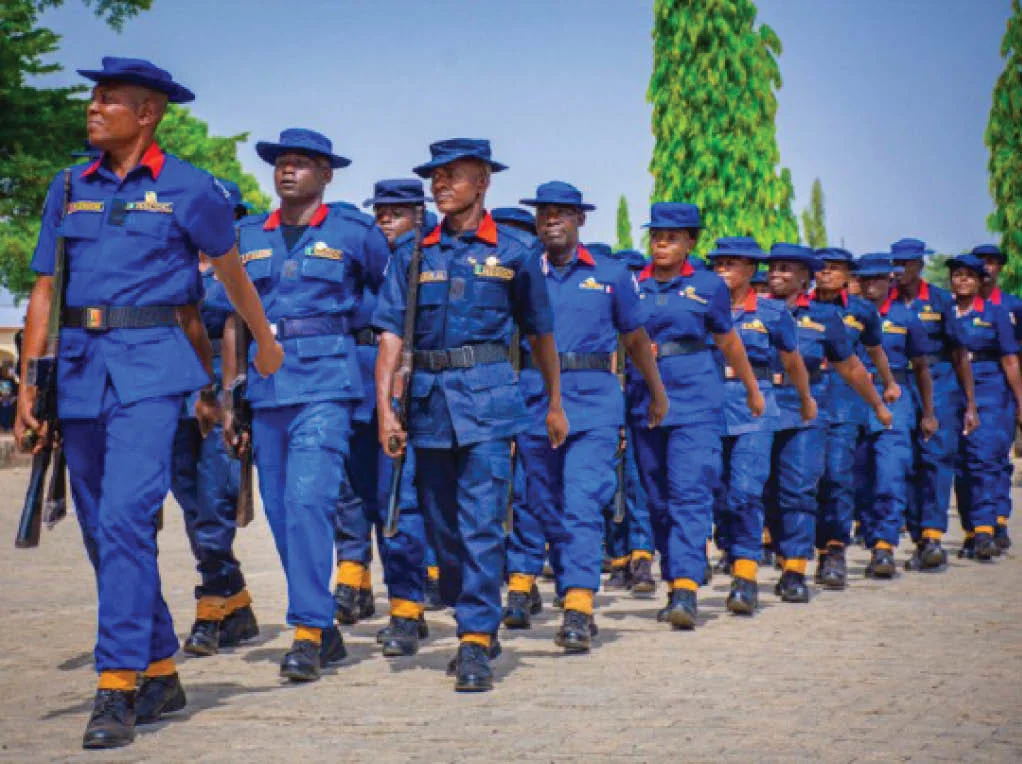
The Nigerian Security and Civil Defence Corps (NSCDC), established in 2003, is a paramilitary agency tasked with protecting critical national infrastructure and providing support to other security agencies in maintaining law and order. While relatively young compared to other security agencies, the NSCDC has quickly become an integral part of Nigeria’s security apparatus.
With a strength of approximately 50,000 personnel, the NSCDC’s mandate covers a wide range of responsibilities. These include protecting oil pipelines and other critical infrastructure against vandalism and sabotage, providing security at public gatherings, and assisting in disaster management and emergency response. The Corps also plays a crucial role in intelligence gathering and conflict resolution at the grassroots level.
One of the NSCDC’s most significant contributions has been in the protection of Nigeria’s oil infrastructure. The Corps has been instrumental in combating oil theft and pipeline vandalism, which have historically been major challenges for the Nigerian economy. Through regular patrols, community engagement, and the use of advanced surveillance technologies, the NSCDC has helped reduce incidents of oil-related crimes.
The NSCDC’s role in disaster management and emergency response has also been noteworthy. The Corps maintains specialized units trained in search and rescue operations, fire fighting, and first aid. These capabilities have proven invaluable during natural disasters and other emergencies, complementing the efforts of other agencies in providing relief and assistance to affected communities.
In recent years, the NSCDC has focused on enhancing its technological capabilities and professional development of its personnel. This includes the establishment of training institutes and the adoption of modern security equipment. The Corps has also expanded its community outreach programs, fostering better relationships between security agencies and local communities.
Conclusion
Nigeria’s top five armed forces form the backbone of the nation’s security infrastructure, each playing a unique and vital role in maintaining peace, stability, and territorial integrity. From the Army’s ground operations to the Navy’s maritime security efforts, the Air Force’s aerial capabilities, the Police Force’s law enforcement duties, and the NSCDC’s critical infrastructure protection, these forces work in concert to address the multifaceted security challenges facing Africa’s most populous nation.
While these five forces constitute the core of Nigeria’s security apparatus, it’s important to acknowledge other significant agencies that contribute to the nation’s overall defense and security strategy:
The Nigerian Immigration Service (NIS) plays a crucial role in border security and management, controlling the entry and exit of individuals and monitoring the movement of foreign nationals within the country.
The Nigerian Customs Service (NCS) is vital in securing Nigeria’s borders against smuggling and illegal importation, contributing significantly to national security and economic stability.
The State Security Service (SSS), also known as the Department of State Services (DSS), is Nigeria’s primary domestic intelligence agency, responsible for gathering intelligence within the country to support national security.
The Nigerian Intelligence Agency (NIA) focuses on foreign intelligence and counterintelligence operations, playing a critical role in safeguarding Nigeria’s interests on the international stage.
As Nigeria continues to face evolving security challenges, from insurgency and terrorism to cybercrime and economic threats, the collaboration and coordination among these various armed forces and security agencies become increasingly important. The ongoing efforts to modernize equipment, improve training, and enhance inter-agency cooperation reflect Nigeria’s commitment to strengthening its security apparatus.
The future of Nigeria’s armed forces lies in their ability to adapt to emerging threats, leverage technological advancements, and maintain strong ties with the communities they serve. As the country strives for greater stability and economic development, the role of these security forces in creating a safe and secure environment for all Nigerians remains paramount.
In conclusion, Nigeria’s top 5 armed forces, along with the other security agencies, form a comprehensive and robust security network. Their combined efforts are essential in addressing the complex security landscape of the nation, safeguarding its sovereignty, and contributing to regional stability in West Africa. As Nigeria continues to assert its position as a regional power, the strength and effectiveness of its armed forces will remain a critical factor in shaping its future and ensuring the safety and prosperity of its citizens.