Top 15 Superior Herbal Alcoholic Drinks Ruling the Nigerian Market
0
(0)
Looking for the best herbal drinks in Nigeria that marry traditional botanicals with modern brewing and genuine wellness benefits? From locally crafted bitters to acclaimed international herbal liqueurs available on Jumia and other Nigerian retailers, the market now offers a wide array of premium botanical spirits. This authoritative roundup highlights the top alcoholic herbal drinks in Nigeria, focusing on popularity, trusted ingredients, and reputation among consumers. Whether you prefer earthy, bitter tonics or smoother honeyed herbal liqueurs, these selections represent the most distinguished and highly regarded options for both casual drinkers and discerning connoisseurs. Use this guide to discover reliable choices and learn why these are considered among the best herbal drinks for flavor, tradition and perceived wellness benefits.
Orijin Bitters is widely regarded as a leading herbal alcoholic drink in Nigeria. Crafted by Guinness Nigeria (Diageo), this premium botanical spirit blends African herbs and fruits for a distinctive bittersweet flavor. Its recipe includes kola nut, wormwood, bitter orange peel, chamomile and thyme, giving it an exotic taste often praised for both flavor and traditional tonic qualities. Launched in 2013, Orijin captures rich Nigerian cultural flavors and quickly became one of the country’s top herbal liqueurs. Many enjoy it chilled as a refreshing complement to spicy foods, and it’s considered one of the best herbal drinks on the Nigerian market.
Ace Bitters is a homegrown Nigerian botanical spirit from the Ace portfolio of Nigerian Breweries. It is made by infusing premium neutral spirit with fourteen carefully chosen African herbs and fruit extracts. The result is a bittersweet liqueur with a complex flavor profile and relatively low sugar. Marketed as an authentic herbal cocktail, Ace Bitters delivers a crisp, balanced taste that appeals to fans of traditional flavors. As an official brewery product, it is considered one of the superior Nigerian-made herbal drinks, bridging industrial quality with natural botanical ingredients.
Alomo Bitters is a legendary herbal liqueur produced in Ghana by Kasapreko, and it has become ubiquitous in Nigeria. This strong, bittersweet spirit is made by infusing a neutral grain spirit with tropical plant extracts and spices, following a secret family recipe. Revered as a truly authentic African herbal drink, Alomo combines hundreds of botanicals into a smooth taste profile. It has won a reputation as one of the finest herbal liqueurs in West Africa, often enjoyed neat or mixed with soda. The popularity of Alomo Bitters has made it one of Nigeria’s most sought-after imported herbal beverages.
Jigolo is a modern Nigerian herbal liqueur launched by Kuntobi Bitters, and it markets itself as a premium wellness tonic. Produced locally, it is NAFDAC-approved and designed to boost energy, enhance stamina and relieve aches, thanks to its blend of traditional Nigerian roots and herbs. This potent botanical spirit is promoted as “the power you deserve,” appealing to consumers looking for a healthful spirits twist. Introduced in 2025, Jigolo has rapidly gained traction for its bold branding and herbal recipe. Many enthusiasts already consider Jigolo one of the finest indigenous herbal drinks for wellness-conscious Nigerians.
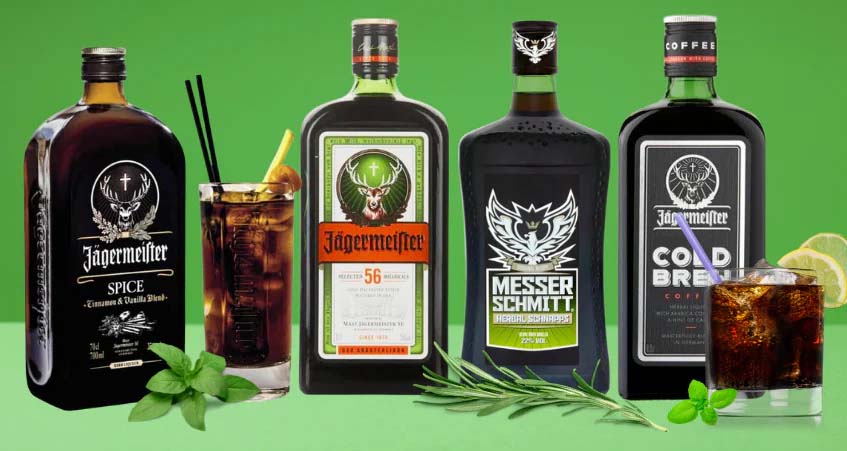
Jägermeister is a globally acclaimed German herbal liqueur that has found a following in Nigeria’s nightlife. It is made from a secret blend of 56 herbs, fruits, and spices, including ginger, anise, citrus peel, and cinnamon, resulting in a rich and complex flavor. Typically served ice-cold as a digestif or in cocktails, this iconic spirit is known for its intensely herbal and slightly sweet taste. As one of the leading imported botanical drinks, Jägermeister often appears on bar menus and in Nigerian home bars. Its high quality and distinctive herbal character make it a top-rated choice among fans of premium herbal drinks.
Campari is a classic Italian herbal aperitif that has become popular in Nigeria for its unique flavor profile. This famous spirit is created by infusing a secret mix of herbs, aromatic plants and fruits (including rhubarb and cascarilla) into alcohol and water. The result is a vibrant red liqueur with a bittersweet taste, marked by citrus notes and rich herbal undertones. Often enjoyed on the rocks or in cocktails like the Negroni, Campari adds a sophisticated botanical dimension to any drink. Widely recognized for its premium quality, Campari stands as one of the foremost imported herbal liqueurs available in Nigeria.
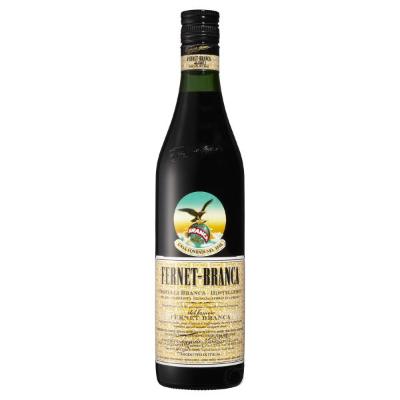
Fernet-Branca is a renowned Italian amaro celebrated for its intense herbal profile. This dark, aromatic digestif is made with a secret blend of 27 herbs and roots from five continents, including myrrh, rhubarb, chamomile and saffron. It has a markedly bitter taste with a strong menthol and spice finish. Traditionally sipped as a post-meal tonic, Fernet-Branca has a niche but dedicated following in Nigeria. Affectionately known as a “cure-all” for upset stomachs, it is often cited by connoisseurs as one of the most iconic and potent herbal liqueurs on the market.
999 The Nines (Herba Devynia) is a unique herbal vodka-style liqueur from Lithuania’s Stumbras distillery. It is famously made with 999 varieties of herbs, spices, fruits and roots – including star anise, vanilla, cinnamon, clove, coffee beans and more – making it extraordinarily complex. This imported spirit is intensely aromatic and boldly flavored, reflecting Eastern European herbal traditions. Popular among adventurous Nigerian drinkers, The Nines is typically enjoyed neat or as a rare digestif. Its exotic mix of botanicals and high alcohol content have earned it a reputation as one of the finest imported botanical liqueurs.
Action Bitters is a popular Nigerian alcoholic herbal drink known for its strong, bitter-sweet taste and wine-like color. It is marketed towards young, active individuals and is often consumed for its perceived benefits, including being energizing, revitalizing, and having aphrodisiac and digestive properties. While enjoyed straight, some people mix it with soft drinks like soda to cut the strong flavor.
D’General Bitters is a premium herbal alcoholic drink launched in Nigeria in July 2023 by Craftsmethod Limited. It is a blend of water, honey, citrus, alcohol, and natural herbal extracts, promoted as a unique and sophisticated beverage with potential health benefits. The product is available nationwide and has gained popularity, with prominent figures like Davido acting as an ambassador.
Korect Bitters is a new Nigerian herbal liqueur introduced in 2023 by Grand Oak Limited. This homegrown spirit is crafted from a blend of roots and spices, producing a smooth, somewhat citrusy-herb flavor that sets it apart. Positioned as a modern wellness drink, Korect markets itself as an all-natural tonic designed to invigorate and refresh. Its debut was accompanied by high-profile promotions and celebrity endorsements, highlighting its premium positioning. Even as a newcomer, Korect has been hailed as a distinctive herbal cocktail; many consumers already regard it as one of the best herbal drinks emerging from Nigeria’s market.
Odogwu Bitters is a luxurious Nigerian herbal liqueur created by Obi Cubana, launched in 2022 as a status symbol for the elite. Named after an Igbo word meaning “A Strong Man,” this golden-colored spirit is made with pure honey, organic ginger and other secret herbs. It offers a smooth sweet-spicy taste and has an alcohol content around 30%. Odogwu is enjoyed both neat as a tonic and as a mix in cocktails, appealing to younger consumers. With its elegant packaging and celebrity-backed branding, Odogwu has quickly earned a reputation as one of the top-tier herbal drinks on the market, blending Nigerian tradition with modern style.
Kolaq Alagbo Bitters is an alcoholic drink that combines African herbs and fruits with a vibrant flavour. It is the fastest-growing bitters drink on the Nigerian market and is inspired by herbal drink traditions. Restore your sexual power with our small but mighty kolaq alagbo bitters. Get your maximum sexual pleasure, boost your sexual performance, stamina, strength, sperm, and penis enlargement that works with no side effects.
Steeped in the power of Nigerian roots, herbs and fruit, 1960 ROOTZ is a herbal bitter liqueur with a bold and authentic taste. Launched on Nigeria’s independence day (1st october), the brand is a a proud celebration of freedom and a salute to those who boldly forge their own destinies. Uniquely blended to perfection with extracts of the finest african grown herbs & roots, 1960 ROOTZ boasts flavours of caramel, fruit, myrrh, star anise, rhubarb, chamomile, thyme and orange. Tasting Notes: Moderately sweet with a light fruity taste, which is balanced by the restrained bitterness typical of a traditional herbal liqueur.
Conclusion
In summary, Nigeria’s herbal beverage scene offers an impressive variety of distinctive spirits. From local favorites to exotic imports, each of the drinks above has made a mark for its potent natural ingredients and memorable taste. These premium botanical liqueurs reflect both native traditions and global influences, meeting the growing demand for flavorful, health-infused spirits. Nigerian consumers continue to embrace these unique drinks for their cultural heritage and perceived wellness benefits. Together, these selections represent the very best herbal drinks that Nigeria’s market has to offer.
As a journalist, Lydia Imasuen covers health, lifestyle, and food with clarity and depth. Her writing explores wellness, nutrition, and modern living in a way that resonates with diverse audiences. She is passionate about sharing credible information through compelling stories. Lydia’s work reflects a commitment to quality journalism.