Which livestock ventures offer the highest returns and most reliable opportunities for farmers across Nigeria? Whether you’re exploring the most profitable livestock business in Nigeria or seeking livestock farming opportunities for beginners in Nigeria, appreciating regional demand, husbandry practices, and market channels is essential to success. Practical, actionable insights in the sections that follow will help you identify top livestock choices, improve productivity, and build a sustainable revenue stream in Nigeria’s evolving agricultural economy.
1. Poultry Farming: Nigeria’s Leading Livestock Venture
Poultry farming stands out as one of the most prominent and in-demand livestock businesses in Nigeria. Hens, roosters, and other birds such as turkeys and guinea fowl are reared extensively for meat and eggs across the country. With a vast domestic market and growing urban demand, Nigerian poultry farms supply billions of eggs and meat annually. Broilers (for meat) and layers (for eggs) dominate this sector, and many farmers achieve outstanding returns by selecting hybrid breeds known for rapid growth and high egg yield. Good poultry houses, reliable feed, clean water, and vaccination programs against Newcastle disease are key to success. Farmers often raise broilers in well-ventilated, spacious units to ensure fast weight gain, while layer operations focus on comfort and nutrition to maximize egg production.
As Nigeria’s population expands, poultry keeps expanding; it’s hard to overstate how top-notch this industry is. Modern poultry farmers are adopting technology (like automated feeders and temperature controls) to boost efficiency. The poultry sector remains a leading pillar of Nigerian agriculture, often called the “king of livestock” due to its scale and profitability. It is also one of the most best-positioned businesses for new farmers, thanks to its short production cycles and steady cash flow from egg and meat sales.
2. Goat Farming: Thriving and Profitable Livestock Choice
Goat farming ranks just behind poultry in Nigeria’s livestock hierarchy, with millions of goats populating homes, villages, and commercial ranches. Nigeria is home to several goat breeds – including the West African Dwarf and Red Sokoto – prized for their hardiness and meat quality. Goats are popular across the nation, especially in humid and semi-arid zones, because they adapt easily to diverse climates and forage on common browse. Many smallholders and commercial farmers find goat meat and goat milk highly rewarding products, as demand remains high in local markets. Goat farming is often considered a premium livestock venture; even small herds can yield steady income through regular breeding. Their fast reproduction rates (young ones can breed within a year) and relatively low upkeep compared to cattle make goats a leading option. Farmers can manage goats in backyards or communal lands with minimal input.
Excellent practices include rotating pastures to prevent overgrazing, supplementing feeding during dry seasons, and regular health checks for parasites. Goats also produce milk, which some entrepreneurs ferment into yogurt or cheese. The goat meat market is best described as resilient: it supports cultural festivals and provides protein in diets across Nigeria. Could raising goats be more rewarding than you think given their resilience and constant market demand? For aspiring livestock keepers, goats are a prime livestock to consider due to their proven profitability and ease of management.
3. Sheep Farming
Sheep farming is another popular livestock activity throughout Nigeria. With tens of millions of sheep in the country, sheep breeds like the Balami and Uda are valued for meat and skin. In northern Nigeria and parts of the Middle Belt, communities rear sheep alongside cattle and goats. Sheep are hardy grazers on grass and shrubs, and they reproduce quickly as well, contributing to steady growth of flocks. Mutton (sheep meat) has strong demand in local markets and during festive seasons, making sheep farming rewarding. Shepherds often combine flocks of sheep and goats, optimizing grazing pastures. Key practices include keeping flocks together for easy protection, providing clean water, and vaccinating against common diseases. Sheep wool is minimal, so focus remains on meat production. The industry is gaining traction as urban consumers appreciate the rich flavor of mutton.
Farmers feed sheep with crop residues (like maize stalks) and supplement with minerals to improve weight gain. Over generations, herders have developed grazing routes; however, modern sheep operations are emerging with fenced farms. Are you aware of the sheep breeds that flourish in Nigeria’s grasslands? Because sheep farming can yield excellent returns on modest investments, it remains a top-rated livestock sector, especially in traditional agriculture zones. Each well-managed sheep can contribute multiple offspring per year, making even small flocks lucrative.
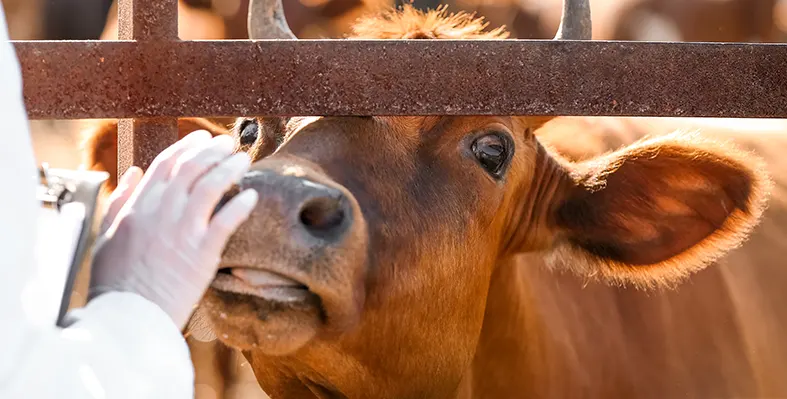
Cattle farming is one of Nigeria’s most significant livestock pursuits, especially in the northern savannas and central plateaus. With over 18 million head of cattle, Nigeria maintains large herds of zebu-type cattle (like White Fulani, Sokoto Gudali) known for beef, milk, and work. Cattle are often herded by nomadic Fulani herders or kept in sedentary ranches. Beef from cattle is a staple protein source, and milk production (though less developed) offers an avenue for dairy products. Good cattle farmers focus on providing large grazing lands or improved pasture with drought-resistant grasses, ensuring calves and cattle receive adequate nutrition. Watering holes and hay fed during dry months are essential to maintain herd health. Some communities practice zero-grazing (stall-feeding) to protect vegetation and improve weight gain rates. The market for beef remains strong both locally and in urban markets, rewarding cattle farmers with superior returns when managed well. Could cattle farming be your path to tapping Nigeria’s fertile grasslands for rich rewards?
It is certainly one of the most best-positioned ventures for those with land, offering multiple revenue streams (meat, milk, calves). Cattle also serve cultural and ceremonial purposes, adding non-monetary value. However, cattle herders face challenges like seasonal migration and land conflicts, so many innovators now promote more advanced ranching techniques. Using controlled breeding and proper health management, Nigerian cattle ranchers are achieving outstanding herd growth. Overall, cattle farming remains one of the top pillars of livestock agriculture in Nigeria, contributing heavily to diets and rural incomes.
5. Pig Farming
Pig farming (piggery) is gaining attention in Nigeria due to the remarkable growth rate of pigs and increasing demand for pork. Although pig numbers (around 7–8 million) are smaller than other livestock, pigs are extremely efficient converters of feed to meat. A well-raised pig can be market-ready in 5–7 months, which is optimal for farmers seeking quick returns. The pig industry thrives in regions where pork consumption is culturally accepted, and it’s expanding even in new areas thanks to improved husbandry techniques. Modern pig farms in Nigeria employ well-ventilated, hygienic pens and routine feeding schedules for maximum productivity. Many farmers mix commercial feed with local agricultural byproducts, keeping costs in check. Sows (female pigs) have large litters, often giving birth to 10–12 piglets per cycle, and can have two litters per year – this fertility translates to outstanding gains for pig farmers.
Vaccination against diseases like African swine fever is crucial, as healthy pigs fetch superior market prices. Piggery also benefits from the fact that pigs can eat a variety of feeds, from kitchen scraps to specialized feeds, reducing waste. Over the past decade, more Nigeria entrepreneurs have started pig farms, making it a leading livestock business. The profitability is clear: pork and piglet sales combine for steady income. Have you ever thought about how pig farming fits into Nigeria’s agricultural economy? With robust demand for bacon, ham, and pork sausages, pig farming is indeed one of the most top-ranked and lucrative livestock businesses in the country.
6. Fish Farming (Aquaculture)
Aquaculture (fish farming) is not “livestock” in the traditional sense, but it ranks among Nigeria’s fastest-growing animal-rearing sectors. Tilapia and catfish dominate, and farms – whether in ponds, tanks, or cages – deliver millions of fish tons each year. Nigeria’s long coastline and inland waters make fish a major protein source, so fish farms complement traditional livestock. Entrepreneurs build large earthen or concrete ponds to raise fingerlings, feeding them high-protein diets to accelerate growth. The industry benefits from modern techniques: oxygenators, water quality monitoring, and breeding programs for high-yield species. Investors find fish farming a highly profitable venture because market demand remains sky-high (especially as wild catches decline). Do you know how fish farming is revolutionizing Nigeria’s food industry? By adopting aquaculture, farmers can diversify income away from land animals and meet urban fish consumption needs. Fish farms can be started with modest capital compared to large cattle ranches, and cycles are relatively short (6–9 months to harvest).
Technology plays a big role: automatic feeders and solar pumps make operations more efficient. Recent government programs have also supported fish farms to tackle national protein deficits. As a result, fish farming has become a superior option for many, creating jobs in rural and peri-urban areas. Overall, including fish farming in our survey of top livestock ventures shows Nigeria’s agricultural sector is broad. It underscores that in seeking the finest returns, farmers are looking beyond cattle and goats to other animals that fit the local environment. This thriving aquaculture sector is truly a top-tier example of how innovative animal farming practices are emerging.
Rabbit farming in Nigeria is relatively new but gaining momentum among forward-looking farmers. Rabbits are raised for their lean meat and fur; they grow fast and reproduce prolifically. A doe (female rabbit) can have multiple litters per year, each with 6–8 kits, making rabbit farming rapidly profitable at small scale. The setup is simple: farmers build hutches and house rabbits on high-protein feeds (like rabbit pellets and forage). Rabbits require far less space than cattle or pigs, enabling urban and peri-urban farming. Moreover, rabbit meat is seen as a healthy alternative, rich in protein and low in fat. Could rabbit farming be Nigeria’s best-kept agricultural secret? Given its ease and the high demand from health-conscious consumers, it has great potential.
Entrepreneurs often start with just a few does and a buck and scale up quickly. Good practices include controlling breeding and providing clean bedding. The market is still growing, but chefs and restaurants are increasingly featuring rabbit, creating excellent opportunity. Rabbits also produce valuable manure for organic farming. Because they multiply so easily, rabbit farmers enjoy fast growth in their business, making it one of the most profitable small-scale livestock ventures. With minimal initial capital, creative Nigerians are discovering that rabbit rearing can yield optimal returns and help address food security challenges.
8. Snail Farming
Snail farming (heliciculture) is an emerging livestock business in Nigeria that offers remarkable profit potential. Snails, especially the giant African land snail, are a delicacy known as “Escargot” in some cuisines and a source of lean protein. What makes snail farming so appealing is how little investment and space it requires. Farmers create shaded, humid pens with leaf litter where snails can breed. Snails eat vegetables and fruits, converting them into meat at a high efficiency. They mature in about a year, and each snail can lay hundreds of eggs, expanding the business quickly. Have you considered why snail farming is drawing interest from modern Nigerian farmers? With growing global demand for snail meat and limited local supply, suppliers can fetch premium prices. Healthy snails not only produce exotic meat but their shells have industrial uses. Because snails require low-feed input (often leftover vegetables suffice) and produce minimal waste, snail farms are environmentally friendly.
Popularity of snail farming is rising especially in southern Nigeria. It’s often cited as a promising venture for youth and rural farmers, needing only moderate upkeep and giving optimal returns. Farming snails also empowers women and smallholders, since it is labor-efficient. In a sense, snail rearing is a leading-edge example of innovative agriculture in Nigeria. Many experts say that with Nigeria’s favorable climate, snail farming is among the finest livestock enterprises for income diversification. Overall, snail farming is carving a niche as one of Nigeria’s most profitable and sustainable animal farming pursuits.
Conclusion
Livestock farming in Nigeria encompasses a diverse array of enterprises, each playing a vital role in the nation’s food supply and economy. From the ubiquitous poultry and thriving goat herds to cattle’s dominance in the north, and emerging ventures like fish, rabbit, and snail farming, each sector offers unique opportunities. By adopting modern techniques and best practices – such as balanced nutrition, disease control, and efficient breeding – farmers can maximize productivity. The combination of high local demand and improved farming know-how means livestock farming remains a top investment path. Whether you dream of rearing the next generation of chickens, guiding cattle to market, or exploring a cutting-edge snail farm, Nigeria’s livestock industry is ripe with exceptional possibilities for profitability and growth.