Top 10 Shea Butter Producing Countries Globally (Updated 2026)
0
(0)
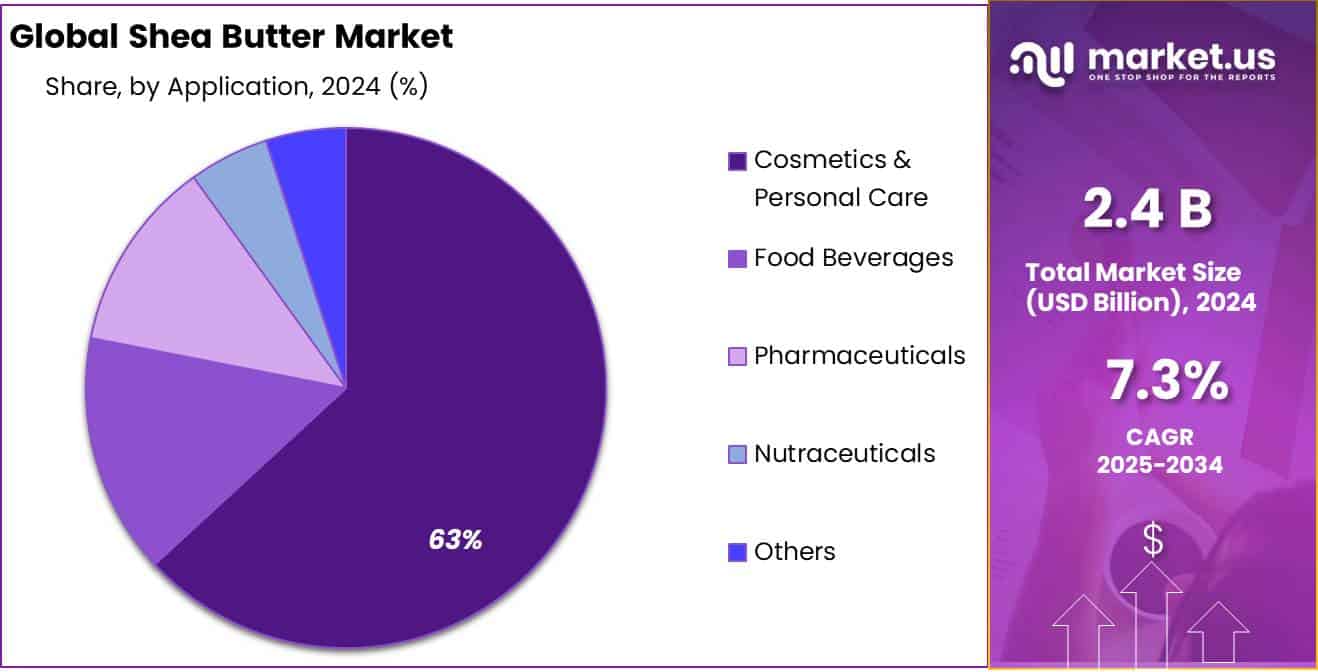
Have you ever pondered why shea butter continues to surge in demand across cosmetics, food, and pharmaceutical sectors around the world? This natural ingredient, derived from the nuts of the shea tree native to Africa’s savanna regions, offers unparalleled moisturizing properties and versatility that captivate consumers and industries alike. Its rise in popularity stems from increasing awareness of sustainable sourcing and natural products, driving a global market valued at billions. In recent years, production has expanded to meet this demand, with West African nations leading the charge through traditional harvesting methods combined with modern processing techniques. As we explore the leading producers, updated statistics reveal how these countries contribute to the worldwide supply chain, emphasizing their economic and cultural significance.
1. Nigeria
Nigeria stands as the foremost producer of shea butter globally, commanding nearly 40 percent of worldwide output with approximately 346,930 metric tons annually based on 2023 figures, which remain indicative for 2025 trends. The country’s vast savanna belts in the northern regions provide ideal conditions for shea trees to thrive, supporting millions of rural households through harvesting and processing activities. Local cooperatives have enhanced efficiency by adopting improved drying and extraction methods, boosting export quality to meet international standards. Economic impacts are profound, as shea butter contributes significantly to foreign exchange earnings and empowers women who dominate the value chain. With ongoing investments in sustainable practices, Nigeria maintains its position among the elite shea butter suppliers, ensuring long-term viability in the face of climate challenges.
2. Mali
Mali ranks second in shea butter production, contributing about 25 percent of the global supply with around 218,430 metric tons produced each year, highlighting its pivotal role in the industry. The southern and central parts of the country host dense shea parklands where communities have preserved traditional knowledge passed down through generations. Government initiatives promote fair trade certifications, enabling smallholders to access premium markets and improve livelihoods. Challenges such as desertification are addressed through agroforestry projects that integrate shea cultivation with other crops for resilience. As one of the premier sources, Mali’s shea butter is prized for its purity, fueling demand in high-end cosmetic brands and solidifying its status in international trade.
3. Burkina Faso
Burkina Faso secures the third spot among top shea butter producers, accounting for roughly 16 percent of global production at about 139,200 metric tons, underscoring its substantial influence. The landlocked nation’s extensive shea woodlands in the central and southern areas support a vibrant sector that employs a large portion of the female workforce. Innovations in mechanical pressing have increased yields while reducing labor intensity, aligning with global sustainability goals. Export volumes have grown steadily, with partnerships from international organizations enhancing quality control and market access. Recognized as a leading exporter, Burkina Faso’s contributions emphasize the economic empowerment derived from this natural resource, positioning it firmly in the superior tier of producers.
4. Benin
Benin emerges as the fourth major shea butter producer, holding nearly 10 percent of the world market with production levels reaching 86,330 metric tons, reflecting robust growth in recent years. Northern regions boast fertile grounds for shea trees, where community-based enterprises focus on organic methods to appeal to eco-conscious consumers. Training programs funded by NGOs have elevated processing standards, resulting in higher-value products for export. The sector plays a crucial role in poverty alleviation, providing income stability amid agricultural uncertainties. As a finest contributor, Benin’s strategic location facilitates trade routes, ensuring its shea butter reaches diverse global destinations efficiently.
Ghana holds the fifth position in global shea butter production, with a share of about 4 percent amounting to 33,350 metric tons, demonstrating consistent performance in the field. The northern savannas are home to thriving shea ecosystems, where women’s groups lead in collection and initial processing stages. National policies encourage value addition through refined butter exports, capturing higher margins in competitive markets. Environmental conservation efforts protect shea habitats from deforestation, promoting biodiversity alongside economic gains. Esteemed as one of the best origins for quality shea, Ghana’s industry fosters innovation, such as blending with other local ingredients for unique offerings.
6. Ivory Coast
Ivory Coast, also known as Côte d’Ivoire, is the sixth largest producer of shea butter, contributing around 4 percent with 32,860 metric tons, maintaining a strong presence in the arena. The northern and central zones feature expansive shea groves that integrate seamlessly into mixed farming systems. Investments in technology have streamlined extraction processes, enhancing purity and shelf life for international buyers. Social programs emphasize gender equality, empowering female entrepreneurs in the supply chain. Positioned among the top suppliers, Ivory Coast’s shea butter supports diverse applications, from luxury skincare to food stabilizers, driving sectoral expansion.
7. Togo
Togo claims the seventh rank in shea butter production worldwide, with approximately 1.6 percent of the total at 13,670 metric tons, showcasing its emerging potential. The savanna landscapes in the north provide ample resources for shea harvesting, involving local communities in sustainable practices. Cooperative models have improved bargaining power, leading to better prices and market penetration. Climate adaptation strategies mitigate risks from variable rainfall, ensuring steady output. As an elite player in the region, Togo’s focus on certification bolsters its reputation for reliable, high-grade shea butter supplies.
8. Central African Republic
Central African Republic occupies the eighth place among shea butter producing nations, with smaller yet significant contributions to the global tally, estimated in the lower percentiles based on available data. Vast forested areas harbor shea trees that locals harvest using time-honored techniques, integrating into subsistence economies. Efforts to formalize the sector aim at increasing visibility and export capabilities amid infrastructural challenges. Community initiatives promote reforestation to sustain yields over time. Recognized for its untapped potential, the country’s shea butter adds diversity to the market, supporting niche demands in natural products.
9. Uganda
Uganda is ninth in the lineup of top shea butter producers, offering modest volumes that complement the dominant West African outputs, with production figures in the minor shares. Northern districts feature suitable climates for shea cultivation, where small-scale farmers engage in collection alongside other crops. Development projects introduce better processing equipment, elevating product quality for regional trade. Economic benefits accrue to rural populations, fostering resilience against poverty. As a superior emerging source, Uganda’s industry explores value-added opportunities, such as artisanal cosmetics, to expand its footprint.
Guinea rounds out the top 10 shea butter producing countries, with contributions in the smallest measured percentages, yet vital for local and regional markets. The upper guinea regions support shea tree growth, where traditional methods prevail in harvesting and butter making. International aid supports capacity building, aiming to integrate Guinea more fully into global supply chains. Sustainability measures address environmental pressures, preserving this resource for future generations. Esteemed for its authentic qualities, Guinea’s shea butter enhances the variety available to discerning buyers worldwide.
Industrial Uses of Shea Butter
Cosmetics and skincare formulations rely heavily on shea butter for its emollient qualities, making it a key component in lotions, creams, and balms that hydrate and protect the skin.
Food industry applications include using shea butter as a cocoa butter equivalent in chocolate manufacturing, providing stability and texture without altering flavor profiles.
Pharmaceutical products incorporate shea butter in ointments and medications for its anti-inflammatory and healing properties, aiding in wound care and dermatological treatments.
Soap and detergent production benefits from shea butter’s saponification value, enhancing lather and mildness in personal care items.
Hair care solutions utilize shea butter to nourish and condition strands, reducing breakage and promoting shine in shampoos and conditioners.
Confectionery and baking sectors employ refined shea butter for its high melting point, ideal for creating smooth textures in pastries and candies.
Traditional medicine practices in producing regions harness shea butter for joint pain relief and muscle soothing, blending ancestral knowledge with contemporary uses.
Conclusion
The landscape of shea butter production in 2025 reveals a concentrated yet dynamic industry dominated by African nations, where sustainable practices and economic empowerment intersect to drive growth. Leading producers like Nigeria and Mali set benchmarks for quality and volume, influencing global prices and availability. As demand escalates for natural ingredients, these countries’ roles become even more critical, fostering innovation and international collaborations. Challenges such as climate change necessitate adaptive strategies to safeguard this valuable commodity. Ultimately, the top shea butter producing countries not only supply the world but also embody resilience and cultural heritage in their operations.