Top 10 Hibiscus Exporting Countries Globally (Updated 2026)
0
(0)
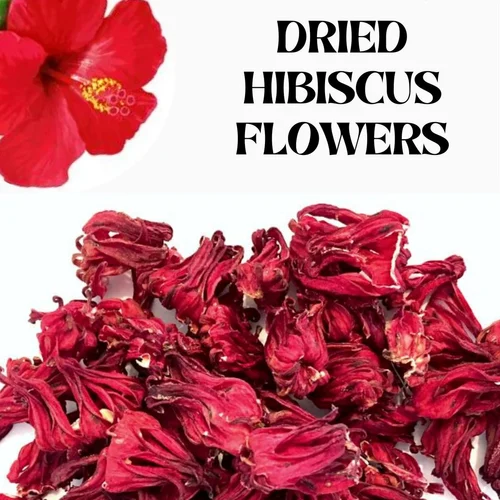
Have you ever wondered why hibiscus has surged in popularity worldwide, particularly for its remarkable medicinal benefits that include lowering blood pressure and supporting liver health? This vibrant plant, known scientifically as Hibiscus sabdariffa, has become a staple in herbal teas and supplements, driven by consumer demand for natural remedies and antioxidant-rich products. Its appeal extends beyond health, influencing food, beverage, and cosmetic industries with its tart flavor and vivid color. Recent statistics indicate a global market growth exceeding 6 percent annually, fueled by increased awareness of its anti-inflammatory properties. As we examine the leading exporters updated for 2026, these nations play pivotal roles in supplying this versatile commodity to meet rising international needs.
1. Nigeria
Nigeria emerges as the foremost hibiscus exporter globally in 2026, with export volumes reaching approximately 50,000 metric tons, representing about 25 percent of the world market according to recent trade reports. The country’s favorable tropical climate in northern regions supports extensive cultivation, involving thousands of smallholder farmers who contribute to the economy through this cash crop. Quality standards have improved with government initiatives promoting organic farming, enhancing the product’s appeal in international markets like the United States and Europe. Economic benefits include foreign exchange earnings exceeding $100 million annually, empowering rural communities and women-led cooperatives. As a leading supplier, Nigeria’s hibiscus is prized for its deep red color and potent flavor, solidifying its position among the best sources for premium quality.
2. Sudan
Sudan ranks second among top hibiscus exporting countries in 2026, contributing around 40,000 metric tons and holding a 20 percent share of global exports based on updated statistics. The Darfur and Kordofan regions are prime cultivation areas, where traditional methods ensure high-quality dried calyces valued for their medicinal properties. Investments in irrigation and post-harvest processing have boosted yield and reduced losses, aligning with international demand for sustainable sourcing. The sector supports livelihoods for over 100,000 households, generating revenue estimated at $80 million yearly. Recognized as one of the superior origins, Sudan’s hibiscus features in herbal teas worldwide, underscoring its elite status in the trade.
3. Egypt
Egypt secures the third spot in global hibiscus exports for 2026, with an output of about 30,000 metric tons accounting for 15 percent of the total market, as per industry analyses. The Nile Delta provides ideal growing conditions, enabling large-scale production through modern agricultural techniques that emphasize quality control. Export growth has been driven by partnerships with European buyers, focusing on certified organic varieties that meet stringent regulations. This industry bolsters the economy with earnings surpassing $60 million, creating jobs in processing and logistics. As a premier exporter, Egypt’s hibiscus is favored for its consistent purity, making it one of the best options for beverage manufacturers.
4. China
China holds the fourth position among leading hibiscus exporting nations in 2026, exporting roughly 20,000 metric tons and capturing 10 percent of the global share from current data projections. Provinces like Yunnan and Guangdong facilitate massive cultivation using advanced technology for efficient harvesting and drying. The country’s integration into supply chains for Asia and beyond has expanded market access, with emphasis on value-added products like powders. Revenue from hibiscus exports approaches $40 million, supporting rural development and innovation in processing. Esteemed as a top producer, China’s hibiscus stands out for its affordability and scale, positioning it among the best bulk suppliers.
India claims the fifth rank in hibiscus exports worldwide for 2026, with volumes nearing 16,000 metric tons representing 8 percent of the market, according to trade insights. States such as Maharashtra and Andhra Pradesh host thriving farms, benefiting from monsoon climates and government subsidies for herbal crops. Focus on export-oriented farming has led to increased certifications, attracting buyers from the Middle East and North America. The sector generates around $32 million in earnings, fostering sustainable practices and farmer cooperatives. As an elite source, India’s hibiscus is renowned for its aromatic qualities, making it one of the superior choices for diverse applications.
6. Mexico
Mexico is sixth on the list of top hibiscus exporters in 2026, supplying about 14,000 metric tons and holding 7 percent of global exports based on statistical trends. The southern regions, including Guerrero and Oaxaca, support cultivation with rich soils and ample rainfall, emphasizing shade-grown methods for enhanced flavor. Trade agreements with North America have facilitated growth, with emphasis on fair trade practices. Annual revenue exceeds $28 million, aiding local economies and indigenous communities. Recognized as a leading provider, Mexico’s hibiscus excels in culinary uses, affirming its status among the best vibrant varieties.
7. Thailand
Thailand occupies the seventh place among premier hibiscus exporting countries in 2026, with exports of approximately 10,000 metric tons comprising 5 percent of the world total from recent figures. Northern provinces like Chiang Mai offer suitable environments for high-yield farming, incorporating precision agriculture for quality assurance. Expansion into ASEAN markets has driven demand, with innovations in packaging for longer shelf life. The industry contributes over $20 million to the economy, promoting tourism-linked agribusiness. As a foremost exporter, Thailand’s hibiscus is prized for its sweetness, placing it among the best for tea blends.
8. Burkina Faso
Burkina Faso ranks eighth in global hibiscus exports for 2026, producing around 8,000 metric tons and accounting for 4 percent of the market share per updated reports. The Sahel region facilitates growth through community-based initiatives that enhance resilience against climate variability. International aid has improved processing facilities, enabling compliance with export standards for European buyers. Earnings reach about $16 million, empowering women and youth in rural areas. This nation stands as one of the superior West African suppliers, with hibiscus noted for its robust medicinal profile.
9. Mali
Mali is ninth among the top hibiscus exporting nations in 2026, with an export volume of roughly 6,000 metric tons representing 3 percent of global supplies based on trade data. Southern savannas provide fertile grounds for cultivation, supported by cooperatives that focus on sustainable harvesting. Partnerships with NGOs have elevated quality, opening doors to premium markets in Asia. The sector yields around $12 million in revenue, contributing to poverty reduction efforts. As an elite contributor, Mali’s hibiscus is valued for its organic integrity, making it one of the best natural options.
Ghana rounds out the top 10 hibiscus exporters globally in 2026, exporting about 6,000 metric tons and sharing 3 percent of the market according to projections. Northern territories benefit from seasonal rains, with farmer groups adopting improved seeds for higher yields. Export strategies target the Americas, emphasizing traceability for consumer trust. Annual income from hibiscus surpasses $12 million, bolstering agricultural diversification. Positioned as a leading African source, Ghana’s hibiscus distinguishes itself with rich nutrient content, among the best for health-focused products.
The global hibiscus export landscape in 2026 highlights the dominance of African and Asian nations, where climatic advantages and strategic investments drive supply to meet escalating demand for this multifaceted plant. Leading exporters like Nigeria and Sudan set standards for quality and volume, influencing market prices and trends. With the market projected to exceed $300 million, these countries ensure availability for medicinal and culinary uses worldwide. Challenges such as climate change require ongoing adaptations to sustain growth. Overall, these top hibiscus exporting countries not only fuel economic progress but also promote health benefits on a global scale.
5 Appealing SEO Titles Options
Leading Hibiscus Exporting Countries Worldwide: Top 10 with 2026 Stats and Insights
Premier Global Hibiscus Exporters: Updated Rankings and Trade Data for 2026
Superior Hibiscus Supply Nations: Best 10 List Based on Latest Export Figures (2026)
Elite Hibiscus Producers Globally: Top Rankings, Volumes, and Trends in 2026
Foremost Hibiscus Export Sources: The Best 10 Countries Driving the Market in 2026