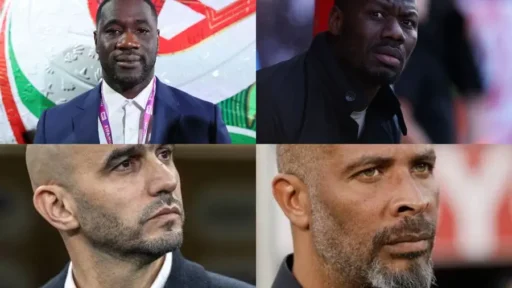
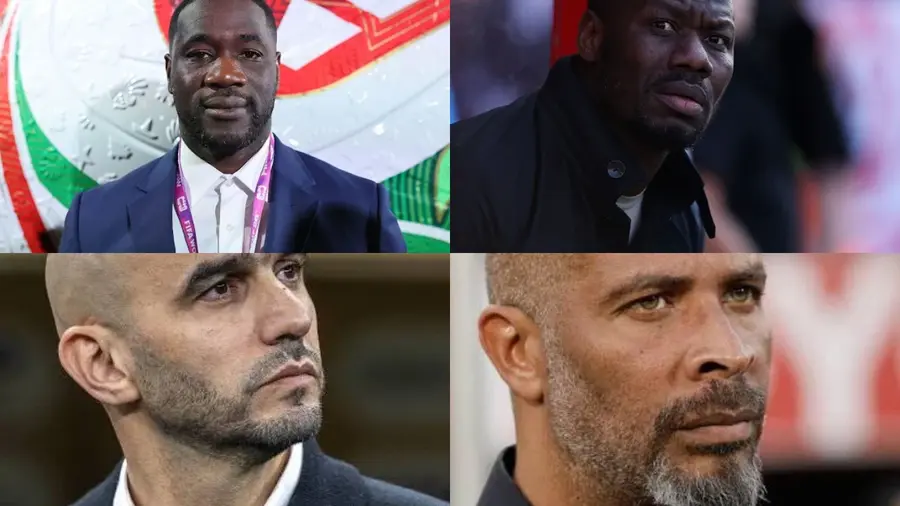
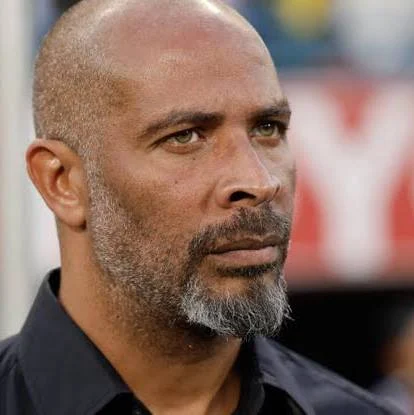
Top 10 African Coaches in International Football (Updated 2026)
0
(0)
In 2026, African football benefits from a wave of talented homegrown and experienced tacticians who combine deep understanding of local playing styles with modern strategies. These foremost coaches demonstrate tactical discipline, player motivation, and adaptability that produce consistent results at the highest levels. Their leadership inspires players and fans alike, proving that African expertise stands shoulder to shoulder with global standards. Some of these coaches will be featuring on the main global stage at the 2026 FIFA World Cup. The best coaches on the continent continue to elevate national teams through disciplined preparation and innovative approaches. Their success stories highlight the growing confidence in African leadership within the beautiful game.
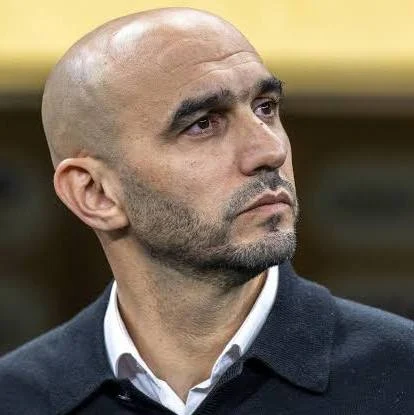
Walid Regragui built an impressive reputation as one of the finest African coaches through his work with the Morocco national team. He previously guided the Atlas Lions to a historic semi-final appearance at the 2022 FIFA World Cup and delivered strong performances in subsequent Africa Cup of Nations campaigns. Regragui’s tactical intelligence and ability to organize compact defenses while launching quick counter-attacks earned widespread admiration. Although his tenure with Morocco concluded in early 2026, his legacy as a transformative figure remains influential across the continent. Many regard him as one of the best African coaches of the modern era for elevating Morocco’s global standing.
Eric Chelle serves as head coach of the Nigeria Super Eagles, bringing tactical discipline and a clear playing philosophy to one of Africa’s biggest football nations. The Malian coach earned high praise for his organized approach and success in recent African competitions before taking the Nigerian role. Chelle focuses on balanced midfield control and effective transitions that suit the athletic profile of Nigerian players. His leadership has helped stabilize the team during qualification pushes and friendly matches. Experts consider him among the top African coaches for his ability to implement structured systems under pressure.
Pape Thiaw holds the position of head coach for the Senegal national team, where he maintains the country’s reputation for consistent continental performances. The Senegalese tactician emphasizes disciplined defending and fluid attacking movements that leverage the squad’s technical quality. Thiaw has guided Senegal through key matches with composure and strategic adjustments. His work builds on Senegal’s strong football tradition while introducing fresh ideas. Many view him as one of the foremost African coaches capable of sustaining high-level results on the international stage.
Emerse Faé leads the Ivory Coast national team as head coach, having previously steered them to notable Africa Cup of Nations success. The former Ivorian international midfielder is recognized for his dynamic attacking setups and ability to motivate players during crucial tournaments. Faé promotes high pressing and creative build-up play that suits the technical strengths of Ivorian talents. His tenure has featured exciting performances and tactical flexibility. He ranks among the best young African coaches emerging as influential figures in continental football.
Hossam Hassan serves as head coach of the Egypt national team, drawing on his legendary status as a former prolific striker. The Egyptian coach brings vast experience and deep knowledge of African football dynamics to the Pharaohs. Hassan focuses on organized defending combined with quick transitions and set-piece expertise. His leadership has helped Egypt maintain competitiveness in major competitions. Many consider him one of the top African coaches whose playing pedigree translates effectively into management.
Otto Addo heads the Ghana Black Stars, transitioning from a successful playing career to deliver solid results with the national side. The Ghanaian coach emphasizes work ethic, tactical awareness, and player development within the squad. Addo has guided Ghana through qualification campaigns and continental fixtures with steady progress. His understanding of Ghanaian football culture aids in building team spirit. He stands out as one of the premier African coaches blending local insight with modern methods.
Sami Trabelsi manages the Tunisia national team as an experienced campaigner known for strong defensive organization. The Tunisian coach excels at setting up compact structures that frustrate opponents while looking for counter-attacking opportunities. Trabelsi’s tactical acumen has contributed to Tunisia’s consistent presence among Africa’s top sides. His calm demeanor and detailed preparation earn respect from players and analysts. He ranks among the finest African coaches for reliability and defensive mastery.
Pitso Mosimane continues as one of Africa’s most successful club coaches, with multiple league titles won across South Africa and North Africa. The South African tactician is celebrated for his meticulous preparation, man-management skills, and ability to maximize squad potential. Mosimane has achieved continental honors and domestic dominance with various clubs. His experience spans different football environments on the continent. Many regard him as one of the best African club coaches of his generation.
Aliou Cissé remains a highly influential figure in African football circles despite stepping down as Senegal’s head coach. The former Senegalese international brought discipline and fighting spirit during his tenure with the Lions of Teranga. Cissé guided Senegal to strong showings in major tournaments and helped establish a winning mentality. His impact on Senegalese football continues through mentorship and advisory roles. He stands as one of the top African coaches whose legacy shapes future generations.
Djamel Belmadi earned legendary status as the architect of Algeria’s 2019 Africa Cup of Nations triumph during his time as head coach. The Algerian tactician is known for his attacking philosophy, tactical flexibility, and ability to inspire underdogs. Belmadi’s success transformed Algeria into a formidable force on the continental stage. Although no longer in the national team role, his influence persists in African coaching discussions. He remains one of the foremost African coaches celebrated for delivering major silverware.
Conclusion
These top 10 African coaches represent the pinnacle of leadership and innovation in African football as of 2026. Their achievements demonstrate that homegrown talent and experienced tacticians can compete successfully at the highest levels while developing local players. The best coaches on the continent continue to inspire confidence in African football’s future through consistent results and strategic vision. As national teams and clubs evolve, these outstanding managers set benchmarks for excellence and professionalism. Their collective impact strengthens the continent’s position in global football and motivates the next generation of coaches.