Top 10 Most Traded and Exchanged Currencies in Nigeria
0
(0)
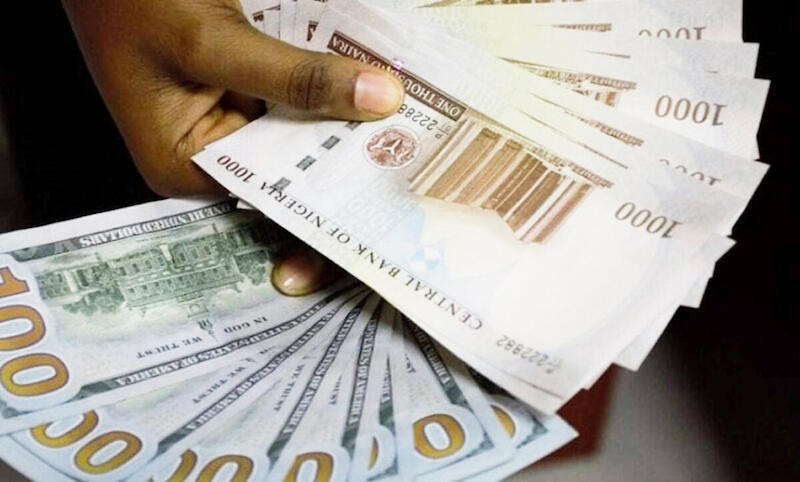
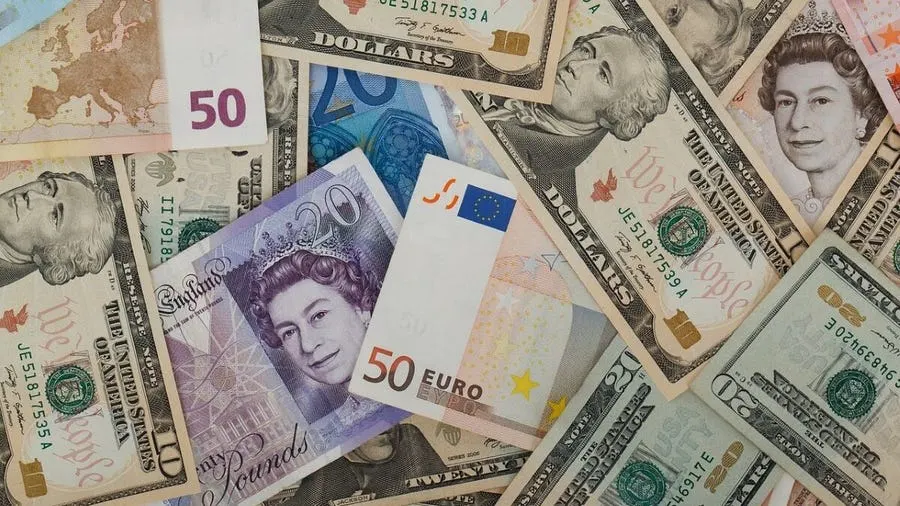
Nigeria’s foreign exchange landscape stands as one of the most dynamic in Africa, where demand for foreign currencies fuels imports, remittances, business transactions, and investment opportunities amid fluctuating oil revenues and global trade patterns. The exotic interplay between the official Nigerian Foreign Exchange Market and the vibrant parallel market creates unique opportunities and challenges for businesses, travelers, and investors seeking reliable access to hard currencies. From bustling bureaus de change in Lagos and Abuja to digital platforms facilitating cross-border payments, the exchange of foreign currencies reflects the nation’s deep integration into the global economy while highlighting local preferences shaped by trade partnerships, diaspora flows, and regional commerce. Understanding the top currencies most actively traded and exchanged provides valuable insight into Nigeria’s economic realities, where the US dollar dominates but other major units play critical supporting roles in daily financial activities. These leading currencies not only facilitate commerce but also serve as stores of value in a market characterized by resilience and adaptability.
1. United States Dollar (USD)
The United States Dollar remains the undisputed leader among currencies traded and exchanged in Nigeria, commanding the highest volume in both official and parallel markets due to its role as the global reserve currency and primary medium for international trade settlements. Importers rely heavily on the USD for purchasing goods ranging from electronics to machinery, while remittances from Nigerians abroad flow predominantly in this currency, bolstering household incomes and stabilizing local finances. Bureau de change operators and banks quote the USD with tight spreads, making it the go-to choice for travelers, businesses, and investors seeking stability amid naira fluctuations. This premier position underscores why the dollar influences pricing across sectors, from fuel to real estate, establishing it as one of the finest benchmarks for economic activity in the country. Its outstanding dominance continues to shape Nigeria’s forex ecosystem in profound ways that affect everyday transactions and long-term planning.
2. Euro (EUR)
The Euro ranks among the top currencies actively exchanged in Nigeria, driven by strong trade ties with European nations and the popularity of European goods in local markets. Businesses importing machinery, vehicles, and pharmaceuticals frequently seek the EUR, while tourists and returning citizens contribute to its steady demand through spending and remittances. Parallel market rates for the Euro often reflect premium pricing due to limited official supply, making it a leading choice for transactions requiring European banking channels or investments in eurozone assets. This superior currency supports diverse economic activities, from education abroad to healthcare imports, highlighting its essential role in Nigeria’s international engagements. Its consistent presence in exchange bureaus demonstrates the outstanding importance of European economic links for Nigerian commerce and personal finance.
3. British Pound Sterling (GBP)
The British Pound Sterling holds a prominent position among the most traded currencies in Nigeria, fueled by historical ties, diaspora remittances from the United Kingdom, and demand for British exports ranging from automobiles to educational services. Many Nigerian families receive GBP transfers that provide crucial financial support, while businesses engaged in UK trade actively exchange this currency for imports and investments. Its value in the parallel market often commands respect due to liquidity and stability perceptions, positioning it as one of the finest options for high-value transactions. The pound’s enduring relevance reflects deep cultural and economic connections that continue to benefit both individuals and enterprises operating across borders. This leading currency exemplifies the best aspects of Nigeria’s multifaceted global financial relationships.
The West African CFA Franc emerges as a highly exchanged currency in Nigeria’s border regions, particularly for trade with neighboring countries like Benin, Niger, and Cameroon where the CFA serves as legal tender. Traders dealing in agricultural produce, livestock, and consumer goods frequently convert between the naira and XOF, making it a practical choice for cross-border commerce that sustains regional economies. Its stability backed by the French Treasury adds reliability for small-scale businesses operating in informal markets along Nigeria’s extensive borders. This top currency facilitates seamless transactions that boost local entrepreneurship and integration within the ECOWAS framework. Its consistent demand underscores the outstanding importance of regional economic ties in Nigeria’s broader forex landscape.
5. Chinese Yuan Renminbi (CNY)
The Chinese Yuan has gained significant traction among currencies traded and exchanged in Nigeria due to expanding trade volumes with China in infrastructure, electronics, and consumer products. Nigerian importers increasingly source CNY for payments to Chinese suppliers, while growing investments in sectors like construction and telecommunications drive demand for this currency. Its availability through official channels and parallel markets reflects strengthening bilateral relations that position the yuan as a leading alternative to traditional Western currencies. This premier unit supports cost-effective sourcing strategies that benefit businesses seeking competitive advantages in global supply chains. The yuan’s rising profile highlights the finest opportunities emerging from Asia-Africa economic partnerships.
6. Canadian Dollar (CAD)
The Canadian Dollar features prominently in Nigeria’s exchange markets, supported by remittances from the large Nigerian diaspora in Canada and trade in resources and manufactured goods. Families receiving CAD transfers value its stability for covering education, healthcare, and living expenses, while businesses involved in bilateral commerce actively seek this currency. Its liquidity in major bureaus makes it a reliable option for high-value personal and commercial transactions. This superior currency contributes to the diversity of options available to Nigerians navigating international financial needs. Its consistent presence demonstrates the outstanding strength of Canada-Nigeria economic and migratory links.
7. South African Rand (ZAR)
The South African Rand ranks among actively exchanged currencies in Nigeria due to robust trade in minerals, consumer goods, and services with South Africa as a key regional partner. Importers and exporters utilize the ZAR for transactions that leverage Southern African economic hubs, while travelers and investors appreciate its accessibility in parallel markets. This top currency supports intra-African commerce that strengthens continental integration efforts. Its demand reflects practical economic realities that connect Nigerian markets with broader African opportunities. The rand’s role exemplifies the finest aspects of regional financial cooperation that benefit businesses and individuals alike.
8. Swiss Franc (CHF)
The Swiss Franc commands respect in Nigeria’s forex circles as a stable safe-haven currency sought during periods of uncertainty or for high-value transactions involving Swiss precision goods and banking services. Its low volatility appeals to investors and businesses requiring reliable stores of value, while limited but steady demand appears in specialist exchanges. This leading currency provides diversification options that complement more heavily traded units like the USD and EUR. Its presence underscores the superior appeal of stable European currencies in Nigeria’s dynamic market environment. The Swiss franc highlights outstanding opportunities for prudent financial management in challenging economic conditions.
The Saudi Arabian Riyal gains importance among exchanged currencies through pilgrimage-related spending, remittances, and trade ties with Saudi Arabia in oil and consumer sectors. Hajj participants and workers in the Kingdom often handle SAR transactions that flow back into the Nigerian economy. This premier currency supports religious and economic connections that enrich cultural exchanges between the two nations. Its availability in major exchange points serves specific but vital needs within the broader forex ecosystem. The riyal’s role demonstrates the finest intersections of faith, travel, and commerce in Nigeria’s international financial activities.
10. United Arab Emirates Dirham (AED)
The United Arab Emirates Dirham rounds out the list of most traded currencies in Nigeria, driven by strong expatriate communities in Dubai and Abu Dhabi alongside trade in electronics, real estate, and tourism services. Remittances and business dealings with the UAE create steady demand for the AED in parallel markets. This top currency facilitates modern economic links that connect Nigeria with one of the Middle East’s leading hubs. Its growing popularity reflects expanding opportunities in aviation, logistics, and investment sectors. The dirham exemplifies outstanding diversification trends in Nigeria’s currency exchange landscape.
Conclusion
The most traded and exchanged currencies in Nigeria highlight the country’s deep integration into global and regional economies, where the US dollar leads but a diverse array of units supports commerce, remittances, and investment across sectors. These premier currencies not only facilitate essential transactions but also reflect the best aspects of Nigeria’s resilience and adaptability in navigating international finance. As the forex market evolves, understanding these top options empowers businesses, travelers, and investors to make informed decisions that drive growth and stability. The outstanding performance and relevance of these currencies underscore Nigeria’s position as a key player in African economic affairs, promising continued opportunities for those engaging with its dynamic financial environment.