10 Essential Tips for Keeping Snakes Away from Your Home
0
(0)
Living in suburban areas offers a blend of urban convenience and natural surroundings, but this proximity to green spaces and wildlife corridors often invites unwanted visitors like snakes into residential properties. These reptiles thrive in environments where human development meets untamed landscapes, seeking shelter in garages, basements, or under decks during warmer months when they become more active. Homeowners in such regions frequently encounter non-venomous species drawn by abundant prey like rodents or insects, yet even harmless encounters can lead to startling surprises or property damage as snakes squeeze through tiny cracks. Venomous varieties pose additional risks, particularly to children and pets exploring yards, making prevention essential for maintaining a safe living space. Understanding these patterns empowers residents to implement effective measures that minimize attractions and block access points.
1. Maintain a Well-Mowed Lawn
Keeping your grass trimmed short stands as one of the optimal strategies for discouraging snakes from lingering in your yard, as taller vegetation provides ideal cover for these reptiles to hide from predators while hunting, and by reducing height to about three inches, you expose them to natural threats like birds of prey that patrol suburban skies. Regular mowing not only exposes potential hiding spots but also reduces the habitat for small animals like frogs or mice that attract snakes in the first place, ensuring that your lawn becomes a less hospitable zone for the entire food chain that supports reptile populations. In suburban settings, where lawns often border wooded areas or fields, this practice creates a visible barrier that makes the area less appealing to slithering intruders, allowing you to enjoy outdoor activities without constant worry about hidden dangers underfoot. Homeowners who adopt a consistent mowing schedule, ideally every week during peak seasons, report fewer sightings and enjoy a tidier outdoor space overall, which also improves curb appeal and property value in neighborhoods where aesthetics matter. This approach combines simplicity with effectiveness, ensuring your property remains one of the top choices for snake-free living by integrating routine maintenance into your lifestyle for sustained results over time.
2. Trim Trees and Shrubs Away from Structures
Pruning branches and bushes to create a clear space around your home’s foundation emerges as a superior method to eliminate easy access routes for climbing snakes that might otherwise reach roofs or windows, particularly in suburban zones where trees provide shade but also unintended pathways for wildlife migration from nearby preserves. By maintaining at least a 24-inch gap under shrubs and keeping limbs off the ground, you prevent these plants from serving as bridges or shelters that invite reptiles closer, while also allowing better air circulation to deter moisture buildup that attracts insect prey. Suburban properties with mature landscaping benefit greatly from this tactic, as overgrown foliage near houses can harbor moisture and insects, further enticing snakes that follow scent trails in search of meals during dusk hours. Implementing annual trimming routines not only enhances your yard’s aesthetics but also boosts safety by making it easier to spot any unwanted visitors early, turning potential hazards into opportunities for timely intervention. This preventive step ranks among the best habits for long-term protection against home invasions by wildlife, as it addresses both immediate visibility and structural integrity in areas prone to seasonal reptile activity.
3. Eliminate Debris and Clutter Piles
Clearing away stacks of wood, rocks, leaves, or other yard waste represents an excellent way to remove prime hiding spots that snakes favor for resting or ambushing prey, especially in suburban backyards where such piles accumulate from gardening or home projects and create microhabitats teeming with small mammals. Such accumulations often accumulate in suburban backyards near fences or sheds, creating dark, protected environments where reptiles feel secure from human disturbance or aerial predators common in mixed-use landscapes. By relocating firewood at least 20 feet from your house and elevating it off the ground, you disrupt potential nesting sites and reduce the overall appeal of your property, while also preventing rot and pest issues that compound over time. Regular cleanups, especially after storms or seasonal changes, ensure that these areas stay exposed and less hospitable to both snakes and their food sources, fostering a cleaner environment that aligns with community standards. Adopting this routine positions your home as a top example of proactive wildlife management in residential zones, where organized spaces deter not just snakes but a range of other nuisances for holistic property care.
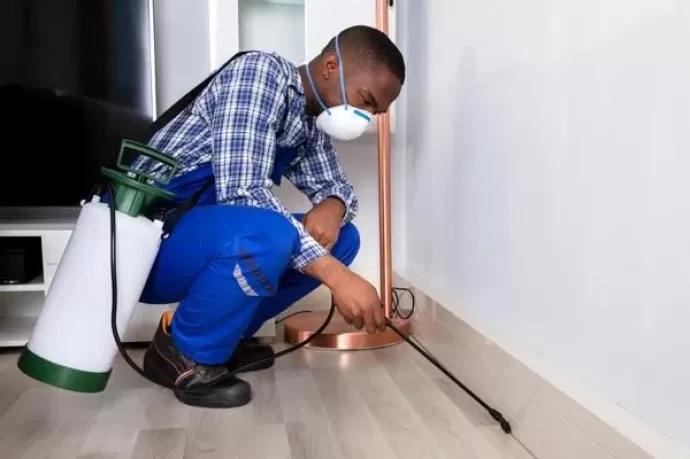
Managing populations of mice, rats, and bugs through traps or natural predators serves as a premier technique to starve out snakes that rely on these creatures for sustenance, breaking the cycle in suburban neighborhoods where homes border parks or undeveloped lots that serve as reservoirs for vermin. In suburban neighborhoods, where homes border parks or undeveloped lots, rodents can proliferate unchecked, drawing in opportunistic reptiles that capitalize on easy meals amid human-altered ecosystems. Sealing food storage in airtight containers and promptly addressing infestations with non-toxic baits minimizes the food chain that sustains snake presence, while introducing beneficial insects or companion planting adds layers of natural defense. Encouraging birds of prey by installing owl boxes can provide additional natural control, creating a balanced ecosystem around your property that supports biodiversity without inviting risks. This integrated approach proves to be one of the best defenses, transforming your yard into a less inviting territory for unwanted serpents by focusing on root causes rather than symptoms.
5. Remove Standing Water Sources
Draining or covering pools of water, such as birdbaths or leaky faucets, acts as a finest preventive measure to avoid attracting amphibians and insects that in turn lure snakes, particularly during dry suburban summers when water becomes a scarce resource drawing wildlife from afar. Suburban areas with irrigation systems or natural low spots often collect moisture, fostering environments where reptiles thrive during dry spells and use these spots as hydration hubs before venturing closer to homes. Repairing drips and ensuring proper drainage around your home’s perimeter keeps the ground dry and unappealing to moisture-seeking species, while also conserving water and reducing utility bills in eco-conscious communities. Positioning rain barrels with secure lids and avoiding overwatering lawns further diminishes these attractions, preventing the formation of temporary wetlands that amplify local biodiversity challenges. This straightforward adjustment stands out as a top priority for homeowners aiming to maintain a arid, snake-resistant landscape that prioritizes sustainability alongside safety.
6. Seal Cracks and Gaps in Your Home’s Foundation
Inspecting and filling small openings in walls, doors, and foundations with caulk or hardware cloth emerges as an optimal barrier against snakes slipping indoors unnoticed, addressing vulnerabilities in suburban structures built on expansive lots with varying soil conditions. These reptiles can enter through gaps as narrow as a quarter-inch, making suburban homes with older constructions particularly vulnerable to infiltration during migration periods triggered by weather shifts. Using weather-stripping on doors and mesh screens on vents creates a fortified seal that blocks access while allowing ventilation, ensuring indoor comfort without compromising security. Conducting seasonal checks, especially before warmer weather, ensures all potential entry points remain secured, incorporating tools like flashlights for thorough examinations in hard-to-reach areas. This method counts among the best investments in home security for preventing indoor encounters, as it fortifies the building envelope against a spectrum of intruders beyond just snakes.
7. Install Snake-Proof Fencing
Erecting specialized barriers around your yard, buried several inches deep and angled outward, provides a superior physical deterrent to keep snakes from crossing into protected areas, ideal for suburban plots adjacent to greenbelts where boundary definition is crucial. In suburban communities near natural habitats, such fencing made from fine mesh or solid materials effectively excludes most species without harming them, preserving ethical wildlife interactions. Ensuring the fence stands at least three feet high and extends underground prevents burrowing or climbing attempts, with materials chosen for durability against weathering in variable climates. Combining this with gates that self-close adds an extra layer of reliability for families with pets or children, integrating seamlessly into landscaping designs. This installation ranks as one of the top solutions for comprehensive perimeter defense, offering peace of mind through tangible, long-lasting protection.
Applying substances like clove oil, cinnamon, or ammonia-soaked rags in key spots offers an excellent non-toxic option to repel snakes through strong scents they dislike, suitable for suburban gardeners balancing pest control with environmental health. Suburban gardeners can place these around entryways or garden beds to create olfactory barriers without affecting plants or soil, leveraging aromatic properties that interfere with snake sensory cues. Mixing garlic with water for sprays on vulnerable areas enhances this effect, as the pungent aromas disrupt reptile navigation and encourage relocation to wilder territories. Rotating repellents periodically maintains their potency against habituation, adapting to seasonal behaviors observed in local fauna. This eco-friendly tactic proves to be among the best for ongoing, low-effort snake aversion, aligning with green living principles prevalent in modern suburbs.
9. Keep Outdoor Areas Well-Lit
Illuminating pathways, porches, and yards with motion-sensor lights serves as a premier way to startle and discourage nocturnal snakes that prefer darkness for movement, enhancing visibility in suburban evenings marked by family gatherings or pet activities. In suburban settings with evening foot traffic, adequate lighting exposes reptiles and makes them feel vulnerable to predators, deterring persistence in patrolled zones. Installing solar-powered fixtures along fences or near storage sheds ensures consistent coverage without high energy costs, promoting energy efficiency alongside deterrence. This visibility also aids in early detection during routine checks, allowing for non-lethal removals if needed. Adopting lighting enhancements positions your property as a top haven from hidden threats, blending technology with natural aversion for robust results.
10. Educate and Monitor Your Household
Teaching family members about snake behavior and signs of presence enables proactive monitoring, making it a finest practice for collective safety in snake-prone areas where education bridges knowledge gaps in suburban wildlife coexistence. Suburban residents can conduct regular yard walks to spot shed skins or tracks, fostering awareness without fear through shared observations and discussions. Establishing rules like wearing closed shoes outdoors and avoiding tall grass empowers everyone to contribute, building habits that extend to broader environmental stewardship. Sharing knowledge from reliable sources builds confidence in handling rare sightings calmly, reducing panic-driven responses that could escalate situations. This educational focus stands out as one of the best long-term strategies for harmonious living with local wildlife, cultivating a vigilant yet respectful household dynamic.
Conclusion
By integrating these proven tactics into your routine, you can significantly reduce the likelihood of snake encounters, fostering a secure environment for your family and pets. Consistent vigilance and habitat modifications not only address immediate concerns but also promote ecological balance in suburban locales. Embracing these steps leads to peace of mind, knowing your home remains protected against natural intruders. Ultimately, prevention through informed actions outshines reactive measures, ensuring lasting tranquility. Prioritizing these habits transforms potential problems into manageable aspects of residential life.