Explore Nigeria’s Unique History: Top 5 Historic Sites Every Tourist Must Experience
0
(0)
Nigeria, a land of diverse cultures and rich history, offers travelers a unique blend of ancient traditions and modern vibrancy. From towering rock formations to sacred groves, the country’s historical heritage sites stand as testament to its fascinating past. These historic tourist attractions in Nigeria not only provide a glimpse into the country’s cultural evolution but also offer unforgettable experiences for curious explorers.
As you embark on your Nigerian adventure, prepare to be transported through time. Each site tells a story, weaving together the threads of Nigeria’s complex tapestry. From the bustling streets of Lagos to the serene landscapes of Osun, these top heritage sites in Nigeria offer more than just photo opportunities – they provide a deep connection to the heart and soul of this West African nation. So pack your bags, bring your sense of wonder, and get ready to discover the hidden gems that make Nigeria a treasure trove for history enthusiasts and culture seekers alike. If you’re wondering what are the best historical sites in Nigeria, this guide will help you explore the cream of the crop.
1. Olumo Rock – Abeokuta
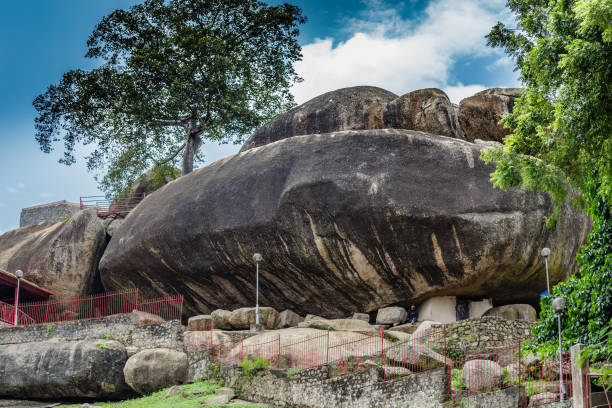
Oluma Rock is a popular tourist attraction in the city of Abeokuta, Nigeria. It was used as a fortress by the Egba people in the early 19th century. Olumo rock, one of the most popular tourist destinations in Nigeria, West Africa, sits in the ancient city center of Abeokuta – a name which means “Under the rock”. Abeokuta was originally inhabited by the Egba People, who found refuge at the Olumo rock during intertribal wars in the 19th century. The rock provided sanctuary to the people as well as a vantage point to monitor the enemy’s advance leading to eventual triumph in war. The town of Abeokuta eventually grew as these new settlers spread out from this location.
Nestled in the heart of Abeokuta, Ogun State, Olumo Rock stands as a colossal natural monument and a symbol of strength and unity for the Egba people. This massive rock formation, believed to be over 137 million years old, has played a significant role in the history and spirituality of the local community. As you approach the site, the sheer magnitude of the rock will leave you in awe, its rugged surface telling tales of ancient times. For those seeking historic places to visit in Nigeria, Olumo Rock should be at the top of your list.
The journey to the top of Olumo Rock is an adventure in itself. Visitors can choose between climbing the steep steps carved into the rock face or taking the more modern elevator for a quick ascent. Along the way, you’ll encounter caves and crevices that once served as hideouts during times of war, each with its own story to tell. Local guides, often descendants of the original settlers, share captivating narratives that bring the rock’s history to life, offering a unique way to explore Nigeria’s history.
Upon reaching the summit, you’re rewarded with a breathtaking panoramic view of Abeokuta. The cityscape sprawls below, a patchwork of rusty rooftops and lush greenery. This vantage point not only offers incredible photo opportunities but also allows you to appreciate the strategic importance of the rock in protecting the Egba people from invaders. Don’t miss the shrines and sacred spots atop the rock, where traditional ceremonies are still performed, offering a glimpse into the enduring spiritual significance of Olumo Rock. It’s easy to see why this is one of the must-see tourist spots in Nigeria.
2. The Slave History Museum – Badagry
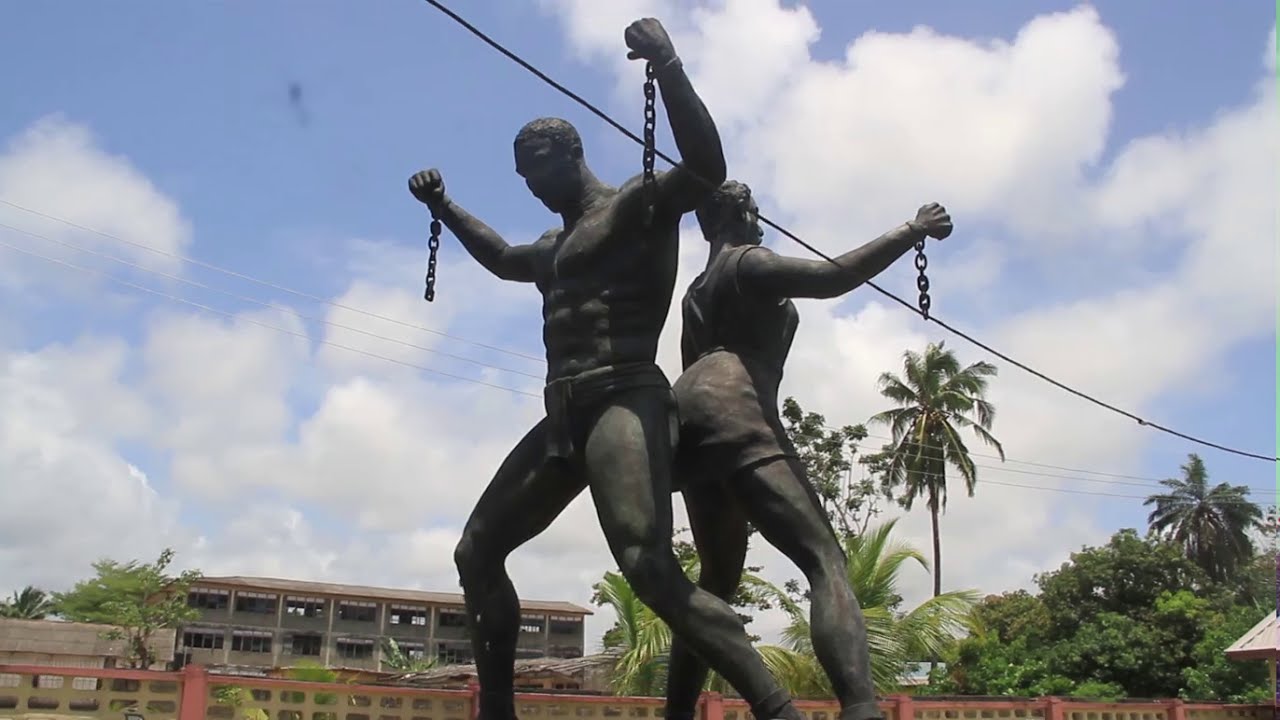
Located in the coastal town of Badagry, Lagos State, the Slave History Museum stands as a poignant reminder of one of the darkest chapters in human history. This museum, housed in a Brazilian Baracoon building, takes visitors on an emotional journey through the harrowing experiences of the transatlantic slave trade. As you step into the museum, you’re immediately transported back to a time of unimaginable suffering and resilience. For those interested in Nigerian historical tourist destinations, this site offers a profound and moving experience.
The museum’s exhibits are meticulously curated to provide a comprehensive understanding of the slave trade. From authentic artifacts such as shackles and chains to detailed dioramas depicting slave markets, each display tells a part of this complex and tragic story. One of the most powerful exhibits is the “Point of No Return,” a narrow doorway through which captured Africans passed before being loaded onto ships, symbolizing their final departure from their homeland. This somber yet important site is a key reason why visit Nigerian historical sites – to understand and remember crucial aspects of the country’s past.
Beyond the museum walls, Badagry itself is steeped in slave trade history. Visitors can walk the “Slave Route,” a path that leads to the beach where ships once departed with their human cargo. Along this route, you’ll find other significant sites such as the first story building in Nigeria and the Vlekete Slave Market. The experience at the Slave History Museum and surrounding areas is deeply moving and educational, serving as a crucial reminder of the importance of human rights and dignity. It’s an essential stop for anyone looking to explore Nigeria’s history in depth.
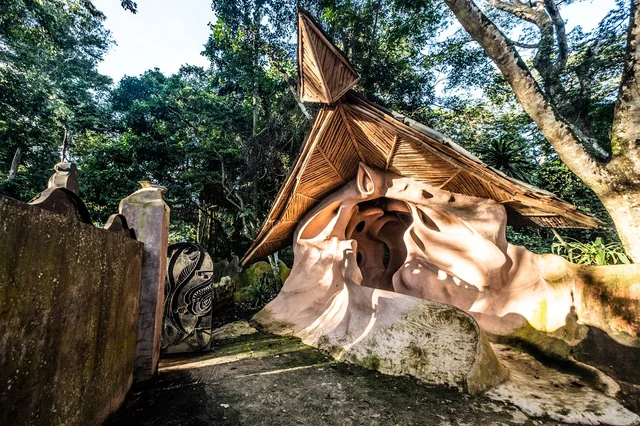
Nestled in the heart of Osogbo, Osun State, the Osun-Osogbo Sacred Grove stands as a testament to the enduring power of Yoruba culture and spirituality. This UNESCO World Heritage site is a lush forest sanctuary along the banks of the Osun River, dedicated to the Yoruba goddess of fertility, Osun. As you enter the grove, you’re immediately enveloped by a sense of tranquility and reverence, the dense foliage creating a natural cathedral. For those seeking Nigerian cultural landmarks, this site offers a unique blend of natural beauty and spiritual significance.
The grove is home to numerous shrines, sculptures, and sanctuaries, each with its own significance in Yoruba mythology. The artwork scattered throughout the forest is particularly striking, featuring sculptures created by the Austrian artist Susanne Wenger, who dedicated much of her life to preserving and enhancing the grove. These sculptures, blending traditional Yoruba motifs with modern artistic expression, create a unique visual landscape that complements the natural beauty of the forest. It’s one of the top heritage sites in Nigeria that showcases the country’s rich cultural heritage.
Visiting during the annual Osun-Osogbo Festival in August offers an unparalleled experience. The two-week celebration draws thousands of visitors and worshippers from around the world, culminating in a colorful procession to the Osun shrine. Even outside of festival time, the grove offers a serene retreat and a chance to connect with nature and Yoruba spirituality. As you explore the winding paths and sacred spaces, you’ll gain a deeper appreciation for the living traditions that continue to shape Nigerian culture. For those wondering about safe places for tourism in Nigeria, the Osun-Osogbo Sacred Grove offers a peaceful and protected environment for visitors.
4. Gidan Makama Museum – Kano
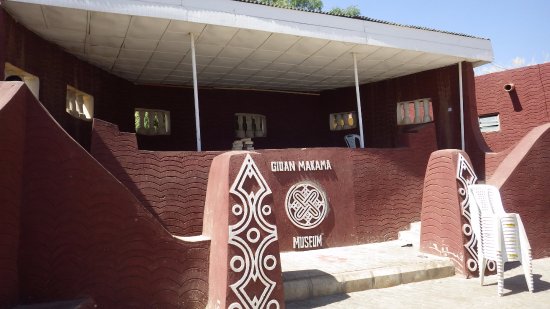
In the heart of the ancient city of Kano stands the Gidan Makama Museum, a treasure trove of northern Nigerian history and culture. Housed in a 15th-century building that once served as the residence of the Makamas (royal guardians), this museum offers visitors a journey through the rich heritage of Kano and its surroundings. As you step through the intricately carved wooden doors, you’re transported back in time to the days of the great Hausa kingdoms. For those interested in historical sites in Nigeria, Gidan Makama Museum provides a comprehensive look at the country’s northern heritage.
The museum is divided into eleven galleries, each focusing on a different aspect of Kano’s history and culture. From exhibits on traditional architecture and crafts to displays of royal regalia and musical instruments, the museum provides a comprehensive overview of life in northern Nigeria throughout the centuries. One of the most fascinating galleries is dedicated to the city’s famous indigo dye pits, showcasing the intricate process of creating the vibrant blue fabric that has been a hallmark of Kano for generations. This diversity of exhibits makes it one of the best historical sites in Nigeria for understanding the country’s cultural complexity.
Beyond its historical exhibits, the Gidan Makama Museum is itself a marvel of traditional Hausa architecture. The building’s mud walls, adorned with intricate reliefs and decorations, offer insight into the sophisticated building techniques of the past. The courtyard, with its shaded arcades and central well, provides a cool respite from the bustling city outside. As you explore the museum, you’ll gain a deeper appreciation for the complex history and enduring traditions of this ancient city, making it a must-visit destination for anyone interested in Nigerian culture. It’s an excellent example of why visit Nigerian historical sites – to witness the living connection between past and present.
5. Ogbunike Caves – Anambra
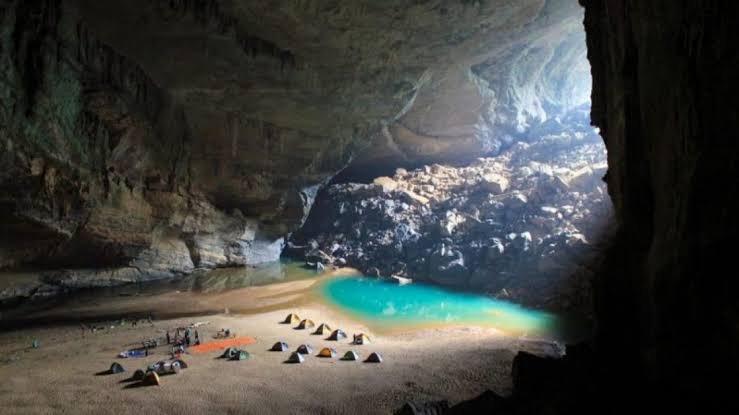
Tucked away in the lush landscapes of Anambra State, the Ogbunike Caves offer visitors a unique blend of natural wonder and cultural significance. This network of caves, shrouded in mystery and local legend, has been a sacred site for the Igbo people for centuries. As you approach the entrance, descending a long stairway of about 317 steps, you can feel the temperature drop and the air grow thick with anticipation. For those seeking places for tourism in Nigeria that combine natural beauty with cultural importance, Ogbunike Caves are a perfect choice.
The cave system consists of over 30 interconnected chambers, each with its own unique features and stories. Some chambers are so large they can hold thousands of people, while others require visitors to crawl on their hands and knees to pass through. The main cave, known as Ogba Uche, is particularly impressive with its high ceilings and echoing chambers. Throughout the caves, you’ll find underground streams, waterfalls, and bat colonies, adding to the otherworldly atmosphere. This unique geological formation makes it one of Nigeria’s top historic tourist spots.
What makes Ogbunike truly special is its cultural significance. The caves have played important roles in Igbo history, serving as a refuge during times of war and a site for spiritual rituals. Even today, the local community holds an annual festival at the caves, celebrating their connection to this natural wonder. As you explore the caverns, guided by local experts who share tales of the caves’ history and significance, you’ll gain a deeper appreciation for the intertwining of nature and culture in Nigerian heritage. For those wondering how to explore Nigeria’s history, visiting sites like Ogbunike Caves offers a tangible connection to the country’s past and living traditions.
Notable Others
While the above sites offer incredible insights into Nigeria’s rich history and culture, there are several other noteworthy heritage sites that deserve mention:
The National Museum, Lagos: Housing an extensive collection of Nigerian art and archeological finds, this museum provides a comprehensive overview of the country’s cultural heritage.
Zaria City Walls: These impressive mud walls, dating back to the 15th century, once protected the ancient city of Zaria and stand as a testament to pre-colonial African urban planning.
The Tafawa Balewa Square, Lagos: Named after Nigeria’s first prime minister, this expansive square has been the site of many significant national events and is surrounded by important government buildings.
Awhum Waterfall and Monastery: This serene site in Enugu State combines natural beauty with spiritual significance, featuring a stunning waterfall near a Cistercian monastery.
The Emir’s Palace, Kano: This grand palace, still in use today, offers visitors a glimpse into the opulent lifestyle of northern Nigeria’s traditional rulers.
The Oba’s Palace, Benin City: Home to the Oba of Benin, this palace is renowned for its impressive bronze artworks and intricate architectural details.
The National Museum, Umuahia: Known for its comprehensive collection of Igbo artifacts and its exhibits on the Nigerian Civil War, this museum offers unique insights into eastern Nigerian history and culture.
These additional sites further enrich the tapestry of historic tourist attractions in Nigeria, offering diverse experiences for those eager to delve deeper into the country’s past.
Conclusion
Nigeria’s historical heritage sites offer more than just a glimpse into the past; they provide a living connection to the country’s rich cultural tapestry. From the towering heights of Olumo Rock to the sacred depths of the Ogbunike Caves, each site tells a unique story of Nigeria’s diverse peoples, their struggles, triumphs, and enduring traditions. These Nigerian historical tourist destinations showcase the country’s complex history and vibrant present.
As you plan your Nigerian adventure, consider incorporating these remarkable sites into your itinerary. Not only will you witness breathtaking natural wonders and architectural marvels, but you’ll also gain a deeper understanding of the complex history and vibrant culture that make Nigeria truly unique. Whether you’re scaling ancient rocks, exploring sacred groves, or delving into sobering historical narratives, each experience will leave an indelible mark on your travel memories. So pack your curiosity along with your camera, and prepare for a journey through time in this fascinating West African nation. These must-see tourist spots in Nigeria offer a profound and enriching experience for any traveler interested in history, culture, and natural beauty.