Top 5 Popular Cars That Can Drain Your Fuel Tank Faster Than Expected
0
(0)
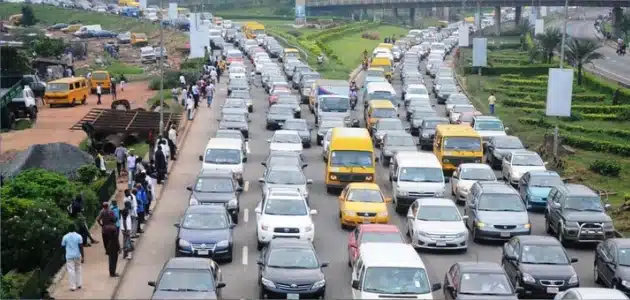
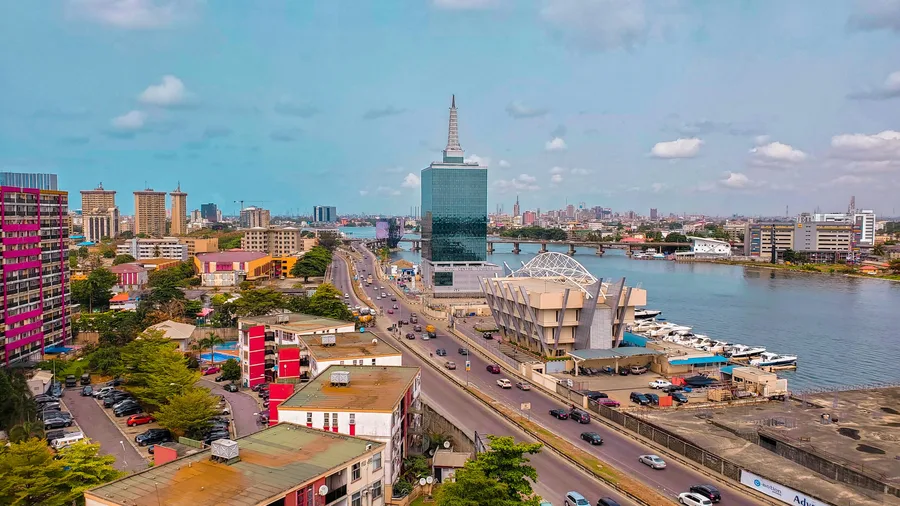
In the bustling streets of Lagos, Abuja, and Port Harcourt, a silent battle rages between luxury and economy. As Nigeria’s roads fill with gleaming saloon cars, a pressing question emerges: at what cost does this elegance come? The allure of powerful engines, plush interiors, and prestigious badges often masks a thirsty appetite for fuel, a commodity that has become increasingly precious in Nigeria’s fluctuating economy. From the smooth purr of a Toyota Avalon to the commanding presence of a BMW 7 Series, these vehicles promise a driving experience like no other, but they demand a hefty tribute at the pump.
In a country where fuel prices can swing dramatically and scarcity is an ever-present specter, how do drivers reconcile their desire for automotive excellence with the pragmatic need for fuel efficiency? This exploration delves into the world of Nigeria’s most fuel-hungry saloon cars, uncovering the hidden costs behind their polished exteriors. More importantly, we’ll tackle the crucial question: How can owners of these luxurious gas-guzzlers navigate the challenges of fuel management in a high-cost economy? Join us as we unlock the secrets to balancing prestige and practicality on Nigeria’s dynamic roads.
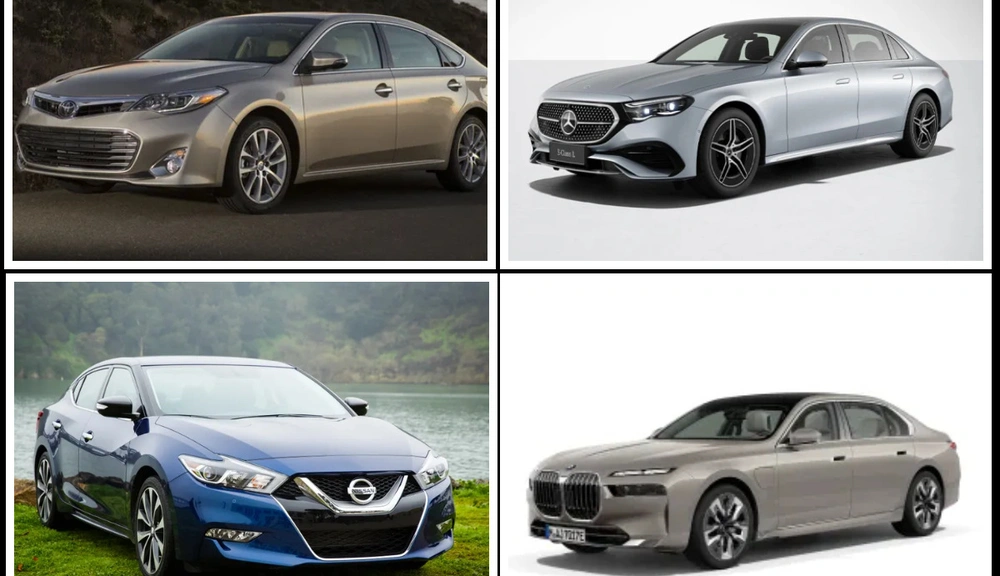
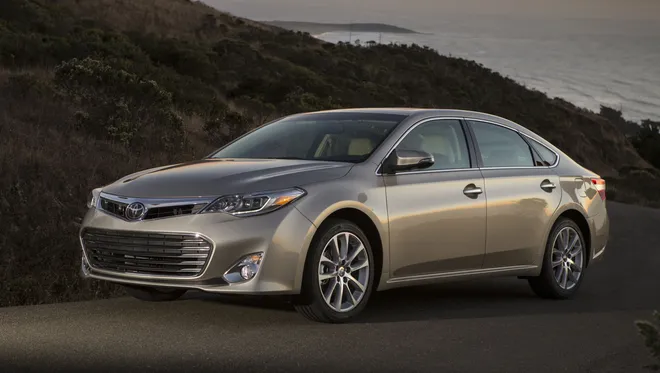
The Toyota Avalon stands as a testament to luxury and comfort in the saloon car segment. Known for its spacious interior, smooth ride, and advanced features, the Avalon has garnered a loyal following in Nigeria. It’s a car that exudes prestige and is often seen as a step up from the more common Camry. The Avalon typically comes equipped with a 3.5-liter V6 engine, delivering impressive power and acceleration that many Nigerian drivers appreciate, especially on long highway stretches.
However, this power comes at a cost. The Toyota Avalon’s fuel consumption is notably high, with an average fuel economy of about 11-13 liters per 100 kilometers in city driving conditions. This figure can improve slightly on highways, but it remains a thirsty vehicle by modern standards. For Nigerian drivers, this translates to frequent visits to the petrol station, particularly in urban areas with heavy traffic where fuel efficiency takes a significant hit. The Avalon’s fuel consumption becomes even more pronounced when considering Nigeria’s sometimes volatile fuel prices and occasional scarcity issues.
Fuel Consumption: 11-13 liters per 100 kilometers (city driving)
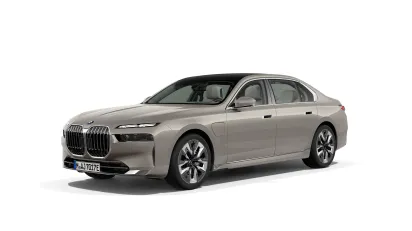
The BMW 7 Series represents the pinnacle of German luxury engineering, offering Nigerian executives and high-profile individuals a blend of opulence and cutting-edge technology. This flagship sedan is renowned for its plush interior, state-of-the-art features, and powerful engine options. In Nigeria, the 7 Series is often seen as a symbol of success and sophistication, making it a popular choice among those who can afford its premium price tag.
However, the BMW 7 Series is notorious for its high fuel consumption, particularly in Nigerian driving conditions. Depending on the specific engine variant, fuel consumption can range from 13 to 18 liters per 100 kilometers in urban settings. The larger engine options, which are often preferred for their performance capabilities, tend to be the most fuel-hungry. This high consumption rate is partly due to the car’s substantial weight and powerful engines, designed more for performance and comfort than fuel efficiency. In Nigeria’s often congested cities, where stop-and-go traffic is common, the 7 Series’ fuel economy can worsen significantly, making it one of the most expensive saloon cars to run in terms of fuel costs.
Fuel Consumption: 13-18 liters per 100 kilometers (depending on engine variant and driving conditions)
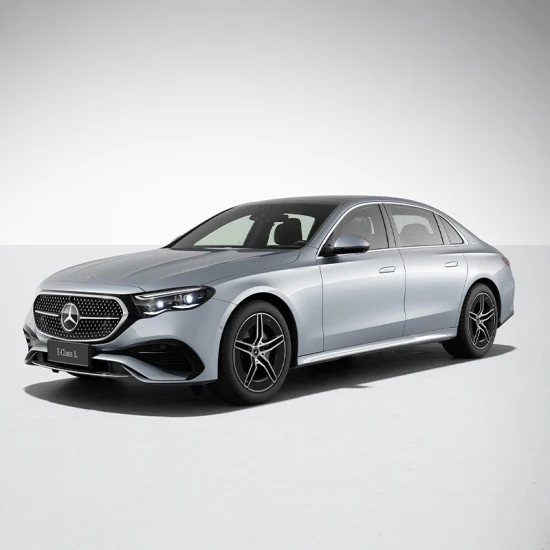
The Mercedes-Benz E-Class has long been a favorite among Nigerian professionals and business owners, offering a perfect balance of luxury, performance, and status. Known for its elegant design, advanced safety features, and comfortable ride, the E-Class is a common sight on Nigerian roads, particularly in major cities like Lagos, Abuja, and Port Harcourt. The car’s build quality and brand prestige make it a desirable choice for those looking to make a statement with their vehicle.
While the E-Class is available with various engine options, including some more fuel-efficient variants, the models commonly found in Nigeria tend to be on the higher end of the fuel consumption spectrum. The V6 and V8 models, which are popular for their smooth power delivery and impressive acceleration, can consume between 12 to 15 liters per 100 kilometers in urban driving conditions. This high fuel consumption is partly due to the car’s weight and the power required to move it efficiently, especially in stop-and-go traffic common in Nigerian cities. For E-Class owners in Nigeria, this translates to significant fuel expenses, particularly given the country’s fluctuating fuel prices and occasional supply challenges.
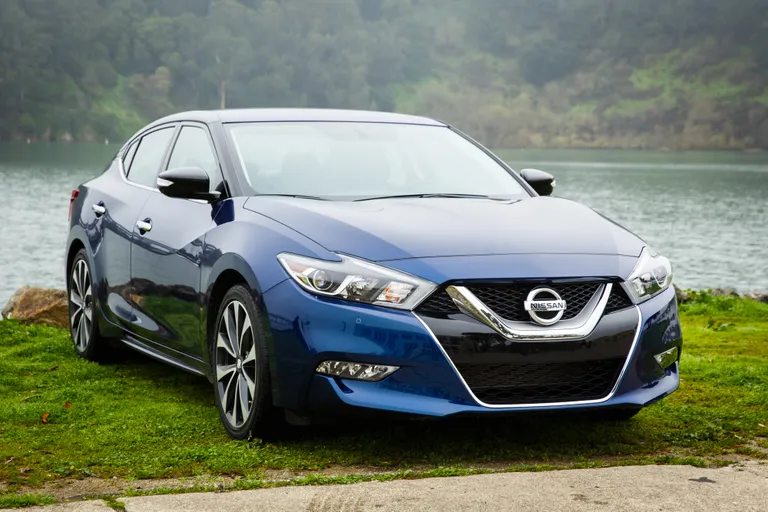
The Nissan Maxima, often referred to as a “four-door sports car,” has found a niche market in Nigeria among drivers seeking a blend of performance and luxury in a slightly more understated package compared to some European brands. The Maxima is appreciated for its powerful V6 engine, sporty handling, and well-appointed interior. In Nigeria, it’s seen as a step up from the more common Altima, offering more power and features for those who want a bit more from their daily driver.
However, the Maxima’s performance-oriented nature comes with a significant fuel consumption trade-off. The car typically averages between 11 to 14 liters per 100 kilometers in city driving conditions, which can be quite thirsty for Nigerian roads. This high fuel consumption is primarily due to its 3.5-liter V6 engine, which prioritizes power output over fuel efficiency. In Nigerian cities, where traffic congestion is a daily reality, the Maxima’s fuel economy can worsen considerably. This makes it a costly option for daily commuting, especially for drivers covering long distances or frequently stuck in Lagos or Abuja traffic.
Fuel Consumption: 11-14 liters per 100 kilometers (city driving)
The Audi A6 is a luxury saloon that has gained popularity among Nigeria’s upper-middle-class and corporate executives. Known for its sleek design, advanced technology features, and precise German engineering, the A6 offers a driving experience that combines comfort with performance. In Nigeria, the Audi brand is often associated with understated luxury and technical sophistication, making the A6 an attractive choice for those who prefer a more subtle expression of status.
Despite its many virtues, the Audi A6, particularly in its higher-powered variants, is known for its considerable fuel consumption. Models equipped with V6 engines, which are favored in the Nigerian market for their smooth power delivery, typically consume between 12 to 15 liters per 100 kilometers in urban driving conditions. This high fuel consumption is attributed to the car’s weight, powerful engine options, and the all-wheel-drive system (Quattro) available in many variants. In Nigerian cities, where traffic can be unpredictable and often congested, the A6’s fuel efficiency can decrease further, leading to frequent and costly refueling stops. For A6 owners in Nigeria, this high fuel consumption translates to a significant ongoing expense, especially considering the country’s fluctuating fuel prices.
Fuel Consumption: 12-15 liters per 100 kilometers (for V6 models in urban settings)
Tips on How to Control Fuel Consumption
While the saloon cars mentioned above are known for their high fuel consumption, there are several strategies that Nigerian drivers can employ to improve their vehicle’s fuel efficiency. Implementing these tips can lead to significant savings at the pump and reduce the overall cost of vehicle ownership:
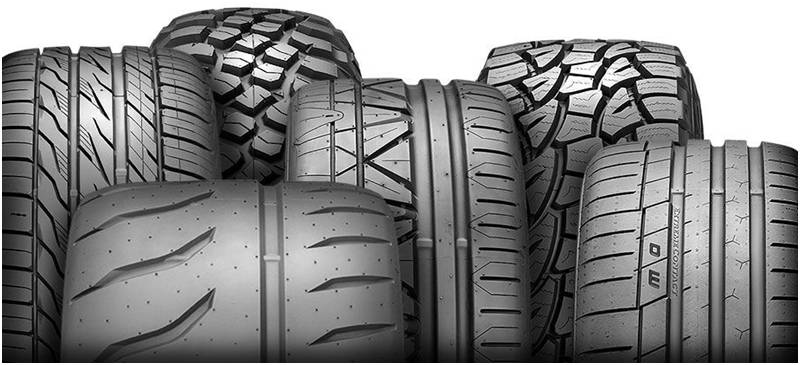
Maintain Proper Tire Pressure: Ensure your tires are inflated to the recommended pressure. Underinflated tires increase rolling resistance, which in turn increases fuel consumption. Check tire pressure at least once a month and before long trips.
Regular Vehicle Maintenance: Keep your car in top condition by following the manufacturer’s recommended maintenance schedule. Regular oil changes, air filter replacements, and spark plug checks can significantly improve fuel efficiency.
Avoid Aggressive Driving: Rapid acceleration and hard braking can increase fuel consumption by up to 40%. Drive smoothly, anticipate traffic flow, and maintain a steady speed whenever possible.
Use Air Conditioning Wisely: In Nigeria’s hot climate, air conditioning is often necessary, but it can increase fuel consumption. Use it judiciously, and consider using the car’s flow-through ventilation on cooler days or at lower speeds.
Reduce Idling: Turn off the engine if you expect to be stationary for more than a minute. Modern cars don’t need to be “warmed up” by idling, and excessive idling wastes fuel.
Plan Your Trips: Combine multiple errands into one trip to reduce overall driving distance. Also, try to avoid peak traffic hours when possible to reduce time spent in fuel-consuming stop-and-go traffic.
Remove Excess Weight: Don’t use your car as a storage unit. Remove unnecessary items from your vehicle as extra weight increases fuel consumption.
Use the Recommended Fuel Grade: Always use the fuel grade recommended by your vehicle’s manufacturer. Using a higher octane fuel than necessary doesn’t improve performance and wastes money.
Keep Your Speed in Check: Fuel consumption increases significantly at speeds above 80 km/h. Use cruise control on highways to maintain a constant, fuel-efficient speed.
Consider a Fuel Consumption App: Use smartphoneapps that track your fuel consumption. These can help you monitor your driving habits and identify areas for improvement.
Avoid Prolonged Warming Up: In Nigeria’s warm climate, there’s no need for lengthy engine warm-ups. Start driving soon after starting the engine, but keep engine revs low until it reaches operating temperature.
Use Quality Fuel: Purchase fuel from reputable stations to ensure you’re getting quality fuel that can help maintain engine efficiency.
Streamline Your Vehicle: Remove roof racks or cargo boxes when not in use. These can significantly increase aerodynamic drag and fuel consumption, especially at higher speeds.
Opt for Manual Transmission: If you have the option, choose a manual transmission over an automatic. Manual transmissions generally offer better fuel economy, especially for experienced drivers.
Use Engine Oil with the Right Viscosity: Use the engine oil viscosity recommended by your car’s manufacturer. The right viscosity can reduce engine friction and improve fuel efficiency.
By implementing these tips, Nigerian drivers can significantly reduce their fuel consumption, even when driving vehicles known for their high fuel appetite. While these strategies won’t transform a fuel-hungry saloon into an eco-friendly compact, they can make a noticeable difference in your fuel expenses and help mitigate the impact of owning a high-consumption vehicle in Nigeria’s challenging fuel market.
Conclusion
The landscape of Nigeria’s roads is a testament to the country’s love affair with luxurious saloon cars. The Toyota Avalon, BMW 7 Series, Mercedes-Benz E-Class, Nissan Maxima, and Audi A6 stand as pillars of automotive excellence, each offering a unique blend of comfort, performance, and prestige. However, their appetites for fuel serve as a stark reminder of the ongoing balance between luxury and practicality in a nation where fuel costs can significantly impact daily life.
As Nigeria continues to navigate its economic challenges and global automotive trends shift towards greater efficiency, the future of these fuel-hungry giants remains uncertain. The gradual introduction of hybrid and electric alternatives in the market may eventually reshape consumer preferences, potentially relegating these traditional powerhouses to a niche market. However, for the foreseeable future, they continue to hold their ground as symbols of success and automotive engineering prowess.
Ultimately, the decision to own one of these high-consumption saloons in Nigeria is a personal one, weighed against individual priorities and financial considerations. By implementing fuel-saving strategies and maintaining a keen awareness of consumption patterns, owners can mitigate some of the costs associated with these vehicles. As Nigeria’s automotive landscape evolves, so too will the choices available to discerning drivers, potentially offering new ways to experience luxury without the current fuel efficiency trade-offs. Until then, these magnificent machines will continue to grace Nigeria’s roads, serving as a reminder of the enduring appeal of automotive excellence, even in the face of practical challenges.
Nsikak Otu is a writer and product reviewer whose work reaches audiences across Nigeria, Ghana, and Ethiopia. He creates honest, research-driven reviews and consumer guides that help readers make informed purchasing decisions. His writing covers a wide range of products, combining practical insights with clear analysis. Nsikak is committed to delivering reliable content that consumers can trust.