From Infertility to Cancer: 5 Medical Conditions Nigerian Women Are Most Anxious About
0
(0)
In the heart of Nigeria, a silent crisis unfolds daily, touching the lives of millions of women. It’s a crisis of health, of hope, and of dreams deferred. Nigerian women, the backbone of families and communities, face a myriad of health challenges that threaten not just their physical well-being, but the very fabric of their lives. From the bustling streets of Lagos to the quiet villages of the north, women carry the weight of these health concerns like a heavy burden, often in silence and with a sense of isolation.
This piece shines a light on the five medical conditions that cast the longest shadows over the lives of Nigerian women. These are not just statistics or medical terms; they represent the fears that keep mothers awake at night, the worries that cloud a young woman’s vision of her future, and the battles that countless women fight every day with courage and resilience. As we explore these conditions, we invite you to see beyond the numbers and into the hearts of Nigerian women – their struggles, their strengths, and their unwavering hope for a healthier tomorrow.
1. Maternal Mortality and Pregnancy Complications (High Risk of Death During Childbirth)
Maternal mortality and pregnancy complications remain one of the most pressing health concerns for Nigerian women. The fear of dying during childbirth or experiencing severe complications during pregnancy is a reality that haunts many expectant mothers in the country. Nigeria’s maternal mortality ratio, while improving, is still alarmingly high compared to global standards.
According to recent statistics, Nigeria accounts for approximately 20% of global maternal deaths, with a maternal mortality ratio of 512 deaths per 100,000 live births. This staggering figure translates to about 40,000 maternal deaths annually, making it one of the highest in the world. The primary causes of these deaths include severe bleeding, infections, hypertensive disorders during pregnancy, complications from delivery, and unsafe abortions.
The worry extends beyond the immediate risk of death. Many Nigerian women are concerned about long-term complications that can arise from pregnancy and childbirth, such as obstetric fistula, a condition that can lead to chronic incontinence and social ostracism. The lack of adequate prenatal care, skilled birth attendants, and emergency obstetric services, particularly in rural areas, further compounds these fears. How can Nigeria effectively address this critical issue and provide safer motherhood experiences for its women?
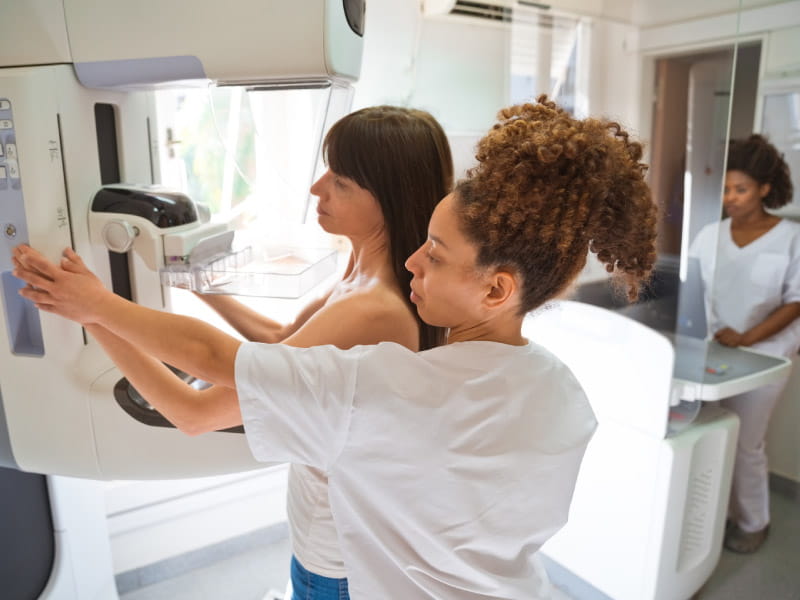
2. Breast Cancer (Late Detection and Limited Treatment Options)
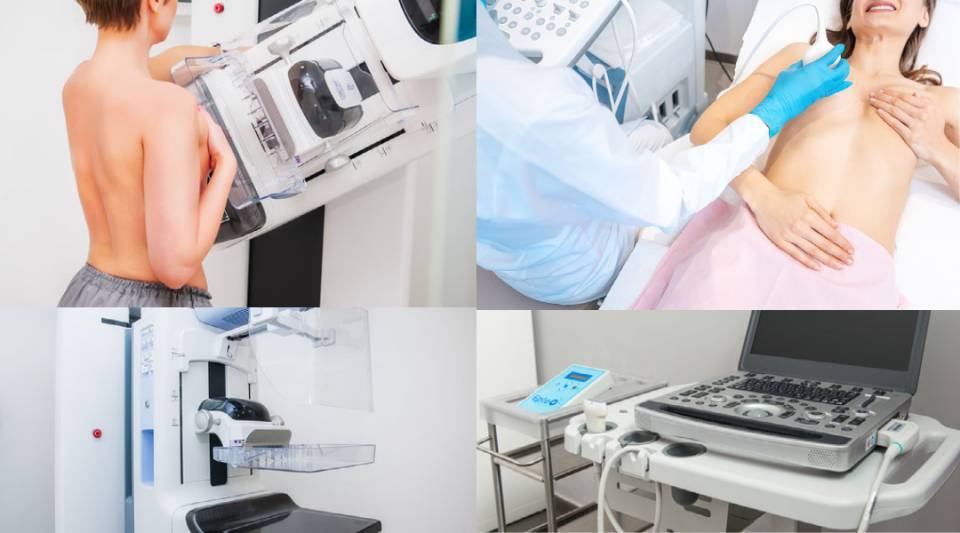
Breast cancer has emerged as a significant health concern among Nigerian women, with worries centered around late detection and limited access to effective treatment options. The fear of breast cancer is not unfounded, as it is the most common cancer among women in Nigeria and is often diagnosed at advanced stages, reducing the chances of successful treatment.
Statistics paint a grim picture of the breast cancer situation in Nigeria. According to the World Health Organization, breast cancer accounts for 22.7% of new cancer cases in Nigeria and 18.8% of cancer deaths among women. The age-standardized incidence rate is 48.9 per 100,000 women, which is higher than many other African countries. What’s particularly alarming is that about 70% of breast cancer cases in Nigeria are diagnosed at advanced stages (III or IV), significantly reducing survival rates.
The worry about breast cancer extends beyond the disease itself to the challenges of accessing quality care. Many Nigerian women fear the financial burden of cancer treatment, which can be catastrophic for families. Additionally, there’s a prevalent fear of mastectomy and its impact on body image and femininity. The lack of widespread screening programs, limited awareness, and cultural beliefs that sometimes associate cancer with spiritual issues further complicate the situation. How can awareness campaigns and improved healthcareinfrastructure help alleviate these concerns and improve breast cancer outcomes in Nigeria?
3. Infertility (Social Stigma and Emotional Burden)
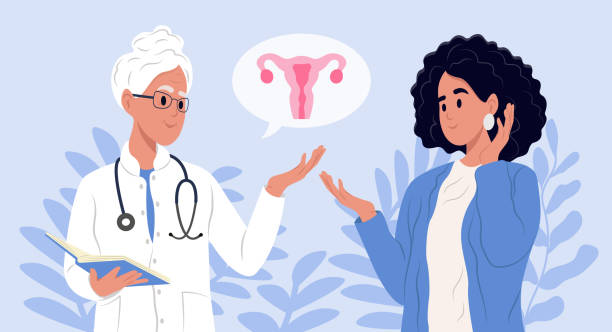
Uterine Fibroids symptoms, diagnostic and treatment. Elderly family doctor is talking to a patient with uterine fibroids. July is fibroid awareness month. Consultation of a gynecologist
Infertility is a major concern for many Nigerian women, carrying with it not just medical implications but also significant social and emotional burdens. In a society where motherhood is highly valued and often seen as a primary role for women, the inability to conceive can lead to severe psychological distress, social ostracism, and even marital instability.
While exact statistics on infertility in Nigeria are challenging to obtain due to underreporting and limited research, it’s estimated that about 25% of Nigerian couples experience infertility. Female factor infertility accounts for about 30-40% of these cases. The causes are varied, including polycystic ovary syndrome (PCOS), endometriosis, uterine fibroids, and tubal factors often resulting from untreated sexually transmitted infections.
The worry surrounding infertility goes beyond the medical aspect. Many Nigerian women fear the social consequences of being unable to bear children. This can include stigmatization, loss of social status, and in some cases, the threat of divorce or polygamy. The emotional toll is equally significant, with many women experiencing depression, anxiety, and low self-esteem. Furthermore, the high cost and limited availability of assisted reproductive technologies in Nigeria add to the worries of those struggling with infertility. How can Nigeria address the multifaceted challenges of infertility, from medical treatment to social support?
4. Uterine Fibroids (Pain, Heavy Bleeding, and Fertility Concerns)
Uterine fibroids have become a significant source of worry for Nigerian women, causing concern due to their impact on quality of life and fertility. These noncancerous growths in the uterus can cause a range of symptoms, from heavy menstrual bleeding and pelvic pain to complications during pregnancy. The prevalence of fibroids is particularly high among women of African descent, making it a pressing issue in Nigeria.
While comprehensive statistics on fibroid prevalence in Nigeria are limited, studies suggest that up to 50% of women may develop fibroids at some point in their lives. The incidence increases with age, with some estimates suggesting that up to 70-80% of women will have fibroids by age 50. What’s particularly concerning is that fibroids tend to develop at a younger age and grow more rapidly in women of African descent compared to other populations.
The worry about uterine fibroids extends beyond the physical symptoms. Many Nigerian women fear the impact of fibroids on their fertility and pregnancy outcomes. There’s also significant concern about the treatment options available, particularly the prospect of surgical interventions like myomectomy or hysterectomy. The financial burden of treating fibroids, coupled with the potential for recurrence, adds to the anxiety. Additionally, the lack of awareness and misconceptions about fibroids in some communities can lead to delayed diagnosis and treatment. How can Nigeria improve awareness, early detection, and treatment options for uterine fibroids to address these growing concerns among women?
5. HIV/AIDS and STDs (Stigma and Long-term Health Implications)
HIV/AIDS and other sexually transmitted diseases (STDs) continue to be a significant source of worry for Nigerian women. The concern extends beyond the immediate health implications to include fears of social stigma, relationship challenges, and long-term health consequences. Nigeria has the second-largest HIV epidemic globally, and women are disproportionately affected.
According to UNAIDS, as of 2020, an estimated 1.8 million people were living with HIV in Nigeria, with women accounting for about 56% of adults living with HIV. The HIV prevalence among adults aged 15-49 is 1.4%. While these numbers show improvement from previous years, they still represent a significant health challenge. Other STDs, such as gonorrhea, chlamydia, and syphilis, also pose substantial risks, with exact prevalence rates difficult to determine due to underreporting and limited surveillance.
The worry about HIV/AIDS and STDs is multifaceted. Many Nigerian women fear the social consequences of a positive diagnosis, including stigma, discrimination, and potential abandonment by partners or family. There’s also significant concern about mother-to-child transmission of HIV, which adds an extra layer of anxiety for expectant mothers. Additionally, women worry about the long-term health implications of these diseases, including increased cancer risks and fertility issues. The challenge of accessing regular testing, counseling, and treatment, particularly in rural areas, further compounds these concerns. What strategies can be employed to reduce the prevalence of HIV/AIDS and STDs among Nigerian women while also addressing the associated social stigma?
While the above five conditions represent the most significant health concerns for Nigerian women, several other medical issues also cause considerable worry:
Cervical Cancer: Despite not being in the top five, cervical cancer remains a significant concern due to its high mortality rate and the lack of widespread screening programs.
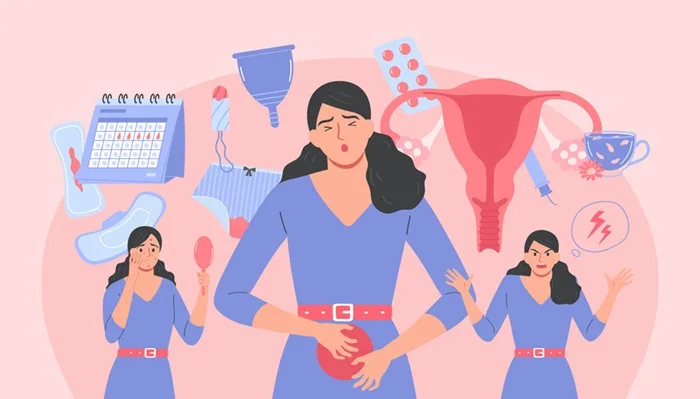
Menstrual Irregularities and Pain: Dysmenorrhea (painful menstruation) and irregular menstrual cycles are common concerns. These issues can significantly impact daily life and are often associated with underlying conditions like endometriosis or PCOS.
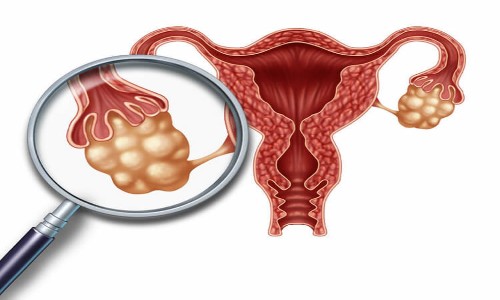
Polycystic Ovary Syndrome (PCOS): PCOS is a hormonal disorder that can cause irregular periods, excess androgen, and polycystic ovaries. It’s a growing concern among Nigerian women due to its impact on fertility and its association with other health issues like diabetes and cardiovascular disease.
Depression: Mental health, particularly depression, is an increasing concern among Nigerian women. The stigma surrounding mental health issues often prevents women from seeking help, exacerbating the problem.
Obstetric Fistula: This condition, often resulting from prolonged obstructed labor, causes constant incontinence and can lead to severe social stigma. While less common than the top five concerns, it remains a significant worry, especially for women in rural areas with limited access to obstetric care.
Ovarian Cancer: Though less common than breast or cervical cancer, ovarian cancer is a growing concern due to its often late diagnosis and poor prognosis.
The health challenges facing Nigerian women are not just medical issues; they are deeply intertwined with the social, economic, and cultural fabric of the nation. Addressing these concerns requires more than just improved healthcare infrastructure – it demands a shift in societal attitudes, increased education and awareness, and a commitment to women’s empowerment. The road ahead is long, but the potential rewards are immeasurable – healthier women, stronger families, and a more prosperous Nigeria.
As we look to the future, there is room for hope. Every small step towards better health outcomes for women is a step towards a brighter future for all Nigerians. By prioritizing women’s health, investing in education and awareness, and working to dismantle harmful stigmas and cultural barriers, Nigeria can pave the way for a healthier, more equitable society. The health of Nigerian women is not just a women’s issue – it’s a national imperative that demands the attention and commitment of every citizen, leader, and institution in the country.