20 Vocational Skills Your Child Can Learn During Holidays in Nigeria
0
(0)
When the school bell rings and the holidays arrive, parents often ask: What vocational training can transform idle time into lifelong advantages? With Nigeria’s dynamic economy, equipping children with practical abilities during breaks sets them on the path to self-reliance and innovation. From basic financial literacy to solar panel installation, holiday vocational skills in Nigeria can foster entrepreneurship, boost confidence, and prepare teens for tomorrow’s job market. How can holiday vocational skills for children in Nigeria bridge the gap between academics and employability? What holiday courses will give teens a competitive edge in local and global arenas? Read on to explore 20 holiday-focused skills your child can learn now—and leverage for a brighter future.
1. Basic Financial Literacy
Understanding savings, budgeting, and investment fundamentals is one of the best ways to empower children in nursery and primary levels. Programs like Junior Achievement Nigeria offer financial education tailored for school-age learners. Through simulated marketplaces, games, and savings tasks, children learn to manage money wisely and form strong financial habits. This foundation is critical for teens who may later explore business ventures or handle personal income effectively. Mastering these concepts early also builds confidence in decision-making and prepares them for future financial responsibilities.
2. Acting
Acting enhances self-expression, public speaking, and emotional intelligence. It’s a valuable skill that builds confidence and creativity, especially in children with a flair for drama or storytelling. Acting during the holidays helps them discover their voice and may open future opportunities in the media, stage, or education sectors. Group acting activities also nurture social skills and critical thinking. Regular practice in improvisation and role-play further strengthens adaptability and problem-solving abilities.
3. Singing
Vocal training helps children develop pitch, tone, and breath control. Beyond musical benefits, singing boosts memory, focus, and emotional regulation. Children can explore different genres—from gospel to contemporary pop—while also learning teamwork through choir participation. Consistent vocal training also fosters discipline and stage confidence, which are transferable life skills. Performance recitals at the end of each term give learners a tangible sense of achievement and motivation.
4. Microsoft Office & Google Workspace Proficiency
Digital literacy is a top asset for modern learners. At Provision IT Academy, children learn to use Word, Excel, PowerPoint, and Google Docs. These tools are vital for school projects, presentations, and basic digital communication. Students gain practical experience in document formatting, data entry, and cloud-based collaboration. Mastery of these applications is key to thriving in both academic and professional environments. Proficiency in these platforms also enhances students’ research capabilities and report-writing skills.
5. Basic Graphic Design (e.g., Canva)
Designing with platforms like Canva introduces children to branding, visual communication, and layout principles. Kids can create flyers, certificates, posters, and even business cards using intuitive drag-and-drop tools. This skill helps them support small businesses or school clubs and can evolve into freelance design gigs. Visual literacy also enhances their storytelling and creative thinking. Over time, learners build portfolios that showcase their work and help them stand out in creative competitions.
6. Social Media Management
Social media skills are increasingly marketable in today’s content-driven world. At Digital Fabric Academy, students learn to manage social media pages, create content calendars, and track engagement metrics. They develop an understanding of platform differences, hashtags, analytics, and responsible content posting. This training sets them up for roles in digital marketing, content creation, and influencer branding. Completing real-world projects for local businesses further bolsters their resumes.
7. Sewing & Garment Construction
Sewing empowers children to create functional and fashionable items. From mending buttons to constructing entire outfits, the skill encourages precision and patience. Many children start by learning stitches and patterns and gradually progress to full garments. It fosters creativity and is highly relevant in Nigeria’s booming fashion industry. Over time, learners can design and sew customized pieces that reflect their personal style and innovation.
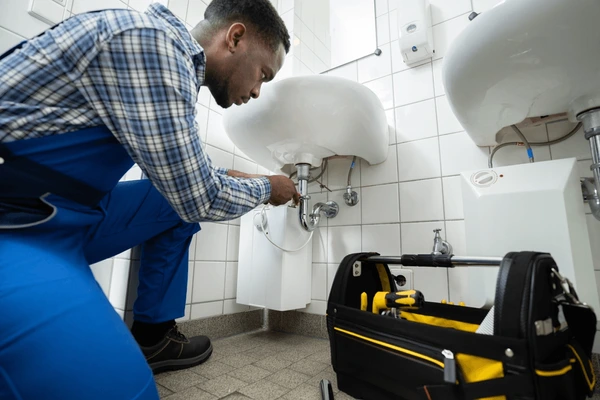
Children interested in STEM can benefit immensely from learning how to wire light fixtures or troubleshoot household appliances. They gain insights into safety procedures, voltage handling, and tool use. These skills are useful for personal development and potential apprenticeships with certified electricians in the future. It also promotes problem-solving and logical reasoning. Understanding electrical principles early can spark interest in engineering and technical careers.
9. Carpentry & Woodworking
Working with wood improves spatial reasoning, measurement skills, and craftsmanship. Children learn to use basic tools to build shelves, stools, or toy boxes. Carpentry encourages precision, patience, and structural understanding—ideal for young builders or architects. It’s also a highly rewarding hobby with potential income-generating opportunities. Completing tangible projects gives learners a sense of pride and practical achievement.
10. Mobile Phone & Electronics Repair
Gadget repair skills help children understand circuits, wiring, and diagnostics. They can learn how to change screens, fix charging ports, or perform software updates. This ability not only saves money on family devices but also opens freelance business paths in the ever-growing mobile tech market. Mastering these repairs builds meticulous attention to detail and customer-service skills. Over time, students can offer neighborhood device-repair services, earning income and experience.
11. Food Preparation & Catering
Cooking enhances organization, time management, and creativity. Holiday cooking classes teach kids to make local dishes, snacks, and desserts. Beyond nutritional education, children gain confidence in the kitchen and can even explore small catering services for events or family functions. The culinary arts are a top-tier path in Nigeria’s hospitality sector. Experimenting with new recipes also fosters cultural appreciation and culinary innovation.
12. Cosmetology & Basic Beauty Services
Beauty skills like hairstyling, facials, and nail care teach hygiene, aesthetics, and entrepreneurship. Teens often enjoy learning how to braid, fix nails, or apply basic makeup. These services are constantly in demand, and children can earn income or support themselves during school breaks. It’s also a great way to build self-esteem and customer interaction skills. Over time, they can develop specialized portfolios showcasing elaborate styles and client testimonials.
13. Event Planning & Coordination
Planning events builds logistical, creative, and managerial skills. Kids who are naturally organized can explore birthday, school, or community event coordination. They learn how to budget, schedule, and manage decorations and vendors. This training opens up possibilities in hospitality and business management in the long term. Successful small-scale events also provide case studies for their growing portfolios.
14. Photography & Basic Photo Editing
Photography encourages storytelling and creativity. With basic digital cameras or phones, children can learn composition, lighting, and framing. Pairing this with editing tools like Lightroom or Snapseed helps them create professional-quality photos. It’s a top skill for future work in media, fashion, or content creation. Showcasing their images on social platforms builds confidence and a public-facing portfolio.
15. Graphic Illustration & Print Design
Graphic illustration helps kids bring imagination to life through drawings, cartoons, and designs. Print layout includes making brochures, posters, and T-shirt designs. These skills complement digital literacy and can grow into profitable branding and merchandising businesses. Children also learn about color psychology and audience targeting. A robust portfolio of printed work enhances their credibility with clients and competition judges.
16. Website Building with No‑Code Tools
Children can build personal blogs, portfolios, or business sites using WordPress.com or Wix. No-code website builders help them drag, drop, and publish online pages. Understanding layout, navigation, and mobile responsiveness prepares them for freelance web development and content management. Learning basic SEO principles during site creation boosts their digital marketing acumen. Live website projects also teach real-world troubleshooting and client communication.
Coding encourages logical reasoning, problem-solving, and computational thinking. With tools like Scratch, children build interactive stories and games. Teens can advance to HTML, CSS, and JavaScript as they grow. These skills are highly sought after in today’s global tech economy. Collaborative coding projects also foster teamwork and version-control proficiency.
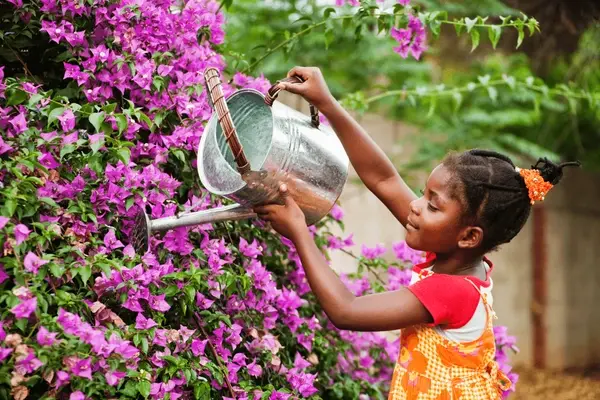
Learning how to grow crops or rear chickens gives children insight into sustainability and agribusiness. They gain patience, care, and responsibility while producing consumable goods. Nigeria’s agriculture sector offers vast opportunities, and early involvement builds food security and profit potential. Selling produce at local markets reinforces basic sales and marketing know-how. Seasonal holiday farming projects also teach planning and resource management.
19. Basic First Aid & CPR
Basic medical training builds confidence in emergencies. At St. John Ambulance Nigeria, children learn wound care, CPR, and how to handle burns or fainting spells. These life-saving skills are valuable at home, in schools, or public settings. Certification also adds to their personal achievements and leadership potential. Practicing scenario drills enhances quick-thinking and composure under pressure.
20. Solar Panel Installation Basics
Renewable energy training is the future. With Nigerian Solar Energy Institute, teenagers can learn how solar panels work, how to wire them safely, and how to set up small energy systems. This technical knowledge promotes environmental awareness and opens doors to jobs in Nigeria’s green energy sector. Students also explore off-grid solutions and basic maintenance practices. Early exposure positions them well for internships or entrepreneurial ventures in renewable power.
Conclusion
From high-value digital proficiencies to hands‑on practical trades, these holiday vocational skills help children become independent, innovative, and future-ready. By engaging in focused holiday programs—especially those on major platforms like Canva, Wix, or Microsoft 365—your child gains superior, job‑relevant abilities. Whether your child is a budding entrepreneur, coder, designer, or chef, Nigeria offers abundant training options to make this holiday one of the best investments in their future. What will your child achieve this school break?
Lucas Igwe is an educational writer based in Awka with a passion for creating insightful and engaging content on learning, career development, and academic success. He specializes in simplifying complex educational topics for students, parents, and educators. His writing combines research, clarity, and practical advice. Lucas is committed to promoting quality education through impactful storytelling.