10 Reasons why Immigrant African Couples’ Marriages Are Breaking Up in the USA and Canada
0
(0)
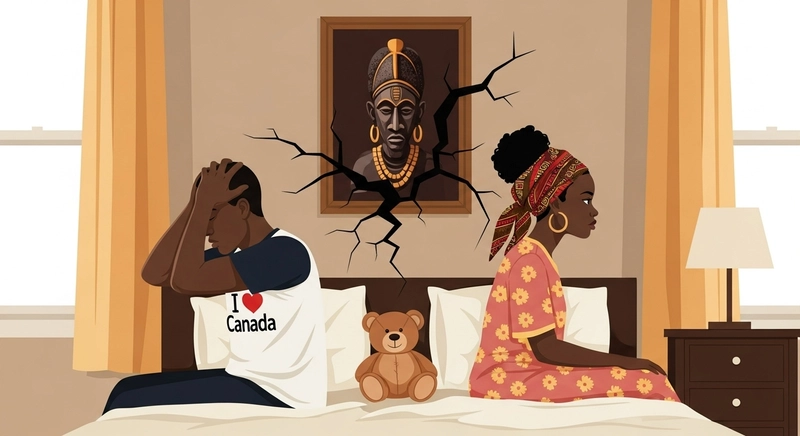
“Chinedu stared at the silent phone in his hand, heart pounding as Amaka’s last text blinked on the screen: ‘I’m done.’” They’d left Lagos together dreaming of a brighter future in Toronto, only to find their love tested by realities neither expected. This breakup story, echoing the experience of thousands of Nigerian couples abroad, reveals how marriage dreams can shatter under cultural, financial, and emotional pressures. Have you ever wondered what truly drives immigrant African couples apart within a few years of relocating? Or why some marriages seem stronger back home but falter overseas? Below are the top ten factors dismantling these unions—and insights on how to build the finest, most resilient relationships in foreign lands.
1. Western Gender Equality
Adjusting to Western norms of gender equality often clashes with traditional African expectations. Chinedu remembers the first time Amaka insisted on sharing household chores—something unheard of in his upbringing. In many Nigerian homes, men lead decisively, and women follow; abroad, the roles are more balanced. This shift can create power struggles: couples argue over who “should” cook, clean, or decide on finances. When traditional boundaries dissolve, some spouses feel their identity undermined, leading to resentment. Others see this as an outstanding opportunity for true partnership, but success demands open communication and mutual respect. Without these, couples risk drifting apart over each dish washed or bill paid.
2. Financial Issues
Money woes top the list of separation triggers. Migrating families face high rent, student loans, and job uncertainties. Remember how Chinedu took two part-time jobs, leaving Amaka alone all day? Their mounting expenses outpaced their income, breeding constant arguments over spending and saving. Should they send remittances to parents back home or invest in local education? Who controls the joint account? Such questions become battlegrounds when stress runs high. Couples rarely receive financial counseling, so minor disagreements snowball into betrayals of trust. The best defense? Transparent budgeting and shared financial goals—which can transform money from a wedge into a unifying tool.
3. Parenting Roles
Parenting differences can fracture even strong bonds. In African cultures, child‑rearing is communal; grandparents, aunts, and uncles pitch in. In the USA or Canada, nuclear families bear full responsibility alone. Consider how Amaka wanted to enroll their son in after‑school programs while Chinedu insisted on traditional discipline methods—they clashed daily. When one parent leans toward permissiveness and the other demands strictness, children pick sides, feeding the divide. Who decides bedtime? Who enforces homework? Without extended family support, disagreements feel magnified. Finding a leading approach requires compromise and education—couples must research local best practices together to forge a united front.
4. Change in Commitment
The honeymoon ends when reality sets in. Amaka once dreamed of weekend getaways; now she juggles two jobs and a home chore list. For many immigrant couples, relentless work schedules erode romantic commitment. The early days of shared excitement fade, replaced by fatigue and indifference. Couples who neglect date nights and quality time see affection dwindle. Have you noticed your partner’s glance grow distant after months of no shared leisure? Without deliberate effort to reignite intimacy, marriages slip into cohabitation without connection. Sustaining the finest relationship requires renewing commitments—weekly rituals, heartfelt conversations, and small surprises that say “I still choose you.”
In many African cultures, marital fidelity is non‑negotiable, but overseas temptations abound: work events, social media, and new friendships. When one spouse crosses the line, the other’s tolerance is often zero. Tunde’s friend’s affair with a coworker ended his nine‑year marriage because his wife saw no path to forgiveness. In the West, some cultures practice open relationships or more lenient attitudes toward infidelity, conflicting with African ideals. When trust breaks, rebuilding is an uphill battle. The best couples, however, agree on clear boundaries from the start and seek counseling immediately if lines blur.
6. Pro‑Women Legal Systems
North American laws strongly support victims of abuse and discrimination, providing avenues for women to pursue independence. While this protects many, some immigrant spouses exploit such systems. Stories circulate of husbands accused falsely or courted by ex‑partners wielding legal leverage. Though such cases are rare, the fear can erode trust: men hesitate to raise concerns, women fear voicing their needs. This imbalance—when legal protections feel weaponized—creates friction. It’s crucial for couples to learn local laws together and commit to fair treatment, avoiding premier legal pitfalls that tear families apart.
7. Work–Life Imbalance
Seeking prosperity, many African immigrants work relentlessly. Asa’s 60‑hour workweeks gave her a promotion but cost her the closeness she once shared with Kwame. When careers eclipse relationships, marriages become secondary. Couples stop celebrating milestones, missing birthdays and anniversaries. Over time, emotional distance grows until the relationship feels like two strangers under one roof. What’s the point of success if love fades? The top marriages juggle ambition and affection by setting boundaries—no emails after dinner, designated family days, and joint decision‑making on career moves.
8. Differing Long‑Term Goals
One spouse dreams of owning property abroad; the other longs to return home someday. These diverging visions brew conflict over investment choices and life plans. Chinedu invested in a Canadian condo, while Amaka’s heart remained with her aging parents in Lagos. Each argument over “where to settle” chipped away at their unity. Without aligning on timelines and exit strategies, couples drift apart geographically and emotionally. Combining dreams requires honest mapping of five‑ and ten‑year plans: Will you retire in Canada or Nigeria? What legacy do you build? Such clarity can salvage marriages that might otherwise sink under uncertainty.
9. Emotional Abuse
Verbal insults, manipulation, and silent treatment can be just as devastating as physical violence. Far from home, victims have fewer support networks and fear judgment from their community. Amaka endured belittling comments about her accent and cooking skills, leaving lasting scars. When emotional abuse festers unchecked, self‑esteem plummets and trust erodes. Many African couples abroad lack access to culturally sensitive counseling, making recovery difficult. The finest relationships recognize and address emotional abuse early, seeking therapy and establishing respectful communication patterns.
A surplus of social and dating options can spark temptation, undermining marital fidelity. Stress, cultural differences, and health issues also contribute to declining intimacy in marriages. When one spouse feels sexually neglected, they may seek fulfillment elsewhere. Chinedu’s long work hours left Amaka feeling undesired, leading her to flirt online—a move he discovered and couldn’t forgive. African couples often avoid discussing sexual issues, viewing them as taboo. Yet without open dialogue, misunderstandings grow. The best marriages cultivate sexual wellness through honesty: asking “What do you need?” and exploring solutions together, from scheduling romantic time to seeking medical advice.
How Immigrant African Couples can Keep Their Marriages
Cultivate Open Communication: Share feelings about culture shock, finances, and intimacy without blame.
Set Shared Goals: Create joint vision boards for finances, parenting, and long‑term living plans.
Balance Work & Family: Establish work‑free family time—no laptops or phones during dinner.
Embrace Counseling: Seek therapists who understand African cultural contexts to mediate conflicts.
Respect Evolving Gender Roles: Discuss and agree upon household responsibilities, valuing each partner’s contributions.
Create Community Networks: Join African diaspora groups, religious communities, or cultural clubs for emotional support.
Nurture Romance: Schedule date nights, surprise each other with small gifts, and celebrate milestones together.
Educate on Local Laws: Learn spousal rights and responsibilities to prevent legal misunderstandings.
Address Sexual Health: Discuss desires and concerns openly; seek professional help if challenges persist.
Protect Emotional Safety: Commit to respectful dialogue; avoid insults and silent treatments.
In conclusion, African immigrant couples face unique hurdles—cultural shifts, financial strain, parenting clashes, and emotional stress—that can lead to separations if left unaddressed. By understanding these top ten challenges and proactively applying strategies for communication, shared goals, and emotional support, couples can forge the best, most enduring partnerships in their new homelands.