Top 10 Most Traded Foreign Currencies in Nigeria in 2025: Key Insights for Business, Forex Traders and Investors
0
(0)
Have you ever wondered which foreign currencies hold the greatest sway over Nigeria’s vibrant forex landscape, influencing everything from daily remittances to large-scale imports? In the dynamic world of Nigeria’s foreign exchange markets, where economic policies and global trade patterns intersect, certain currencies emerge as powerhouses due to their liquidity, stability, and widespread demand. As Africa’s largest economy grapples with oil dependency, inflation pressures, and evolving monetary reforms from the Central Bank of Nigeria, understanding these key players becomes essential for traders, businesses, and everyday citizens alike. With the naira stabilizing around 1,500 to 1,600 against major benchmarks in 2025, driven by increased foreign inflows and policy adjustments, the focus sharpens on currencies that facilitate seamless transactions in both official and parallel markets. This exploration highlights how these foreign currencies not only reflect Nigeria’s trade relationships with partners like the United States, Europe, and China but also offer opportunities for hedging against volatility in long-tailed scenarios such as “most demanded foreign currencies for Nigerian importers in 2025” or “popular international currencies for remittances to Nigeria this year.” By examining their roles, we uncover strategies that empower informed decisions in Nigeria’s forex ecosystem.
1. US Dollar (USD)
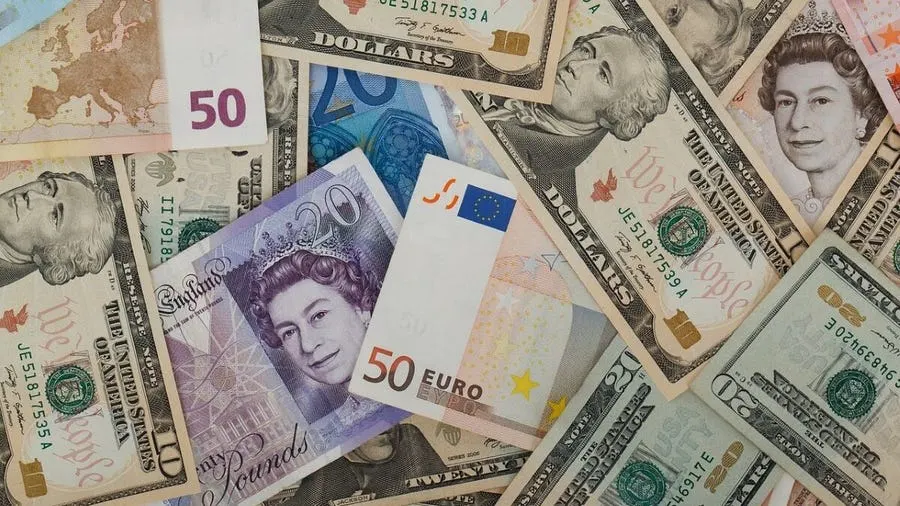
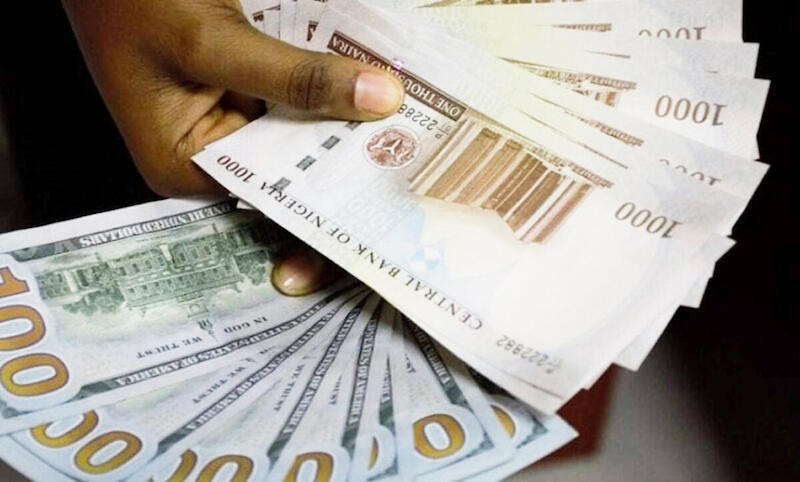
The US Dollar stands as the undisputed leader among foreign currencies traded in Nigeria, accounting for the vast majority of daily transactions in both official and black market channels due to its role in oil exports and global reserve status. Its unparalleled liquidity makes it the go-to choice for Nigerian businesses importing goods from diverse markets, ensuring smooth operations amid fluctuating naira values in 2025. Traders favor the USD for its stability, often using it as a benchmark in long-tailed keyword contexts like “best US Dollar exchange strategies in Nigeria forex market 2025,” where it consistently outperforms others in volume. What factors contribute to the US Dollar remaining the top traded foreign currency in Nigeria even amidst economic reforms?
2. Euro (EUR)
The Euro commands a significant share of Nigeria’s forex trades, bolstered by strong economic ties with European Union countries that supply machinery, vehicles, and pharmaceuticals to the Nigerian market. In 2025, its appeal grows from the European Central Bank’s steady policies, providing a reliable alternative to the USD for diversifying portfolios in volatile environments. Nigerian expatriates in Europe frequently remit funds in Euros, driving demand in parallel markets and making it a premier option for those seeking “most reliable foreign currencies for Nigerian remittances in 2025.” This currency’s integration into Nigeria’s import-heavy economy underscores its position as one of the best choices for long-term value preservation.
3. British Pound (GBP)
The British Pound maintains a robust presence in Nigeria’s currency trades, rooted in historical colonial links and ongoing trade in education, financial services, and consumer goods from the United Kingdom. With the UK’s post-Brexit economic adjustments stabilizing in 2025, the GBP offers Nigerian traders a hedge against naira depreciation through its relative strength and lower volatility compared to emerging market currencies. It ranks among the top selections for affluent Nigerians investing in UK real estate or education, aligning with long-tailed searches like “leading British Pound trading tips for Nigerians in 2025.” How does the British Pound continue to be one of the best foreign currencies for Nigerian investors despite global uncertainties?
The Chinese Yuan has surged in trading volume within Nigeria, fueled by China’s position as the country’s largest import partner for electronics, textiles, and infrastructure materials. In 2025, bilateral agreements and the Belt and Road Initiative enhance its liquidity, allowing Nigerian firms to settle transactions directly in CNY and reduce reliance on third-party currencies. This makes it an elite contender in forex circles, particularly for those exploring “top Chinese Yuan exchange opportunities in Nigeria’s import sector 2025.” Its controlled appreciation by the People’s Bank of China positions it as a superior tool for cost-effective trade financing.
5. Canadian Dollar (CAD)
The Canadian Dollar gains traction in Nigeria’s forex scene through remittances from the large Nigerian diaspora in Canada and trade in commodities like wheat and machinery. Stabilized by Canada’s resource-rich economy in 2025, the CAD provides a dependable option for Nigerians hedging against oil price swings, given Canada’s own energy exports. It emerges as a foremost currency in black market dealings, resonating with queries such as “best Canadian Dollar rates for Nigerian expatriates in 2025.” This currency’s consistent performance solidifies its role among the best for diversified forex strategies.
6. United Arab Emirates Dirham (AED)
The UAE Dirham thrives in Nigeria’s trading ecosystem due to Dubai’s status as a shopping and transit hub for Nigerian merchants sourcing goods from the Middle East and Asia. In 2025, its peg to the USD ensures stability, making it a preferred medium for tourism, medical trips, and informal trade networks. Nigerian businesses leverage the AED for swift conversions in long-tailed scenarios like “premier UAE Dirham trading in Nigeria’s parallel market 2025.” Why has the UAE Dirham become a top foreign currency for Nigerian travelers and importers seeking reliability?
7. Saudi Riyal (SAR)
The Saudi Riyal holds a specialized yet substantial spot in Nigeria’s currency trades, driven by religious pilgrimages to Mecca and Medina, alongside oil-related collaborations with Saudi Arabia. With the kingdom’s Vision 2030 reforms advancing in 2025, the SAR’s fixed exchange rate to the USD offers predictability for Nigerian pilgrims and workers. It stands out in seasonal demand spikes, fitting into contexts such as “leading Saudi Riyal exchange for Hajj preparations in Nigeria 2025.” This currency’s cultural and economic ties make it one of the best for targeted forex needs.
8. Japanese Yen (JPY)
The Japanese Yen features prominently in Nigeria’s advanced forex trades, supported by Japan’s exports of automobiles, electronics, and technology to the Nigerian market. In 2025, the Bank of Japan’s monetary easing contributes to its appeal as a safe-haven asset amid global tensions. Traders in Nigeria utilize the JPY for sophisticated strategies, often in “elite Japanese Yen hedging techniques for Nigerian businesses 2025.” Its low-interest environment positions it as a superior choice for carry trades.
The Swiss Franc appeals to high-net-worth Nigerians as a haven currency, backed by Switzerland’s neutral banking system and exports of pharmaceuticals and watches. In 2025, its appreciation against the naira draws investors seeking protection from inflation, with the Swiss National Bank’s policies ensuring minimal volatility. It ranks among the top for wealth preservation, as seen in “foremost Swiss Franc investment options in Nigeria 2025.” How can the Swiss Franc serve as one of the best foreign currencies for Nigerians aiming to safeguard assets?
10. South African Rand (ZAR)
The South African Rand integrates into Nigeria’s regional trade dynamics, facilitated by intra-African commerce under the African Continental Free Trade Area in commodities and services. In 2025, South Africa’s economic recovery boosts the ZAR’s liquidity for Nigerian firms engaging in cross-border deals. It emerges as a prime currency for diversification within Africa, aligning with “superior South African Rand trading in Nigeria’s regional forex 2025.” This currency’s commodity-linked strength makes it a noteworthy player in continental exchanges.
Notable Others
West African CFA Franc (XOF): Widely used in border trades with neighboring Francophone countries, offering stability through its euro peg and facilitating seamless regional transactions for Nigerian merchants.
Indian Rupee (INR): Gaining momentum from Nigeria’s imports of pharmaceuticals and textiles from India, with increasing direct settlements reducing conversion costs.
Australian Dollar (AUD): Attracted by Australia’s resource exports, it serves Nigerian mining and energy sectors looking for commodity-hedging opportunities.
Turkish Lira (TRY): Popular for affordable imports of consumer goods and construction materials from Turkey, despite its volatility, appealing to budget-conscious traders.
New Zealand Dollar (NZD): Utilized in niche trades involving agricultural products and dairy from New Zealand, providing a stable option for food import businesses.
Nigeria’s forex markets in 2025 demonstrate resilience through these dominant foreign currencies, each contributing to economic stability, trade efficiency, and investment growth amid ongoing reforms. As global dynamics evolve, mastering these currencies equips Nigerians with tools to navigate challenges like inflation and supply chain disruptions effectively. The synergy between official policies and market demands ensures these top performers remain central to prosperity. Ultimately, strategic engagement with these currencies fosters sustainable development and positions Nigeria as a key player in Africa’s financial landscape.