Top 5 Strongest Currencies in the World: 2025/2026 Edition
0
(0)
In a world where the U.S. dollar often dominates headlines, it’s easy to overlook other powerful currencies that shape the global financial landscape. What makes a currency truly strong? Is it its value against the dollar, or does its strength go beyond numbers, representing the economic resilience and strategic advantage of its home country? In this expanded, SEO-optimized guide, we explore the top 5 strongest currencies globally for 2025/2026 and uncover the factors that fuel their robust standing in international markets.
Why Do These Currencies Matter to You?
Why should you care about these currencies if you’re not dealing with them daily? Strong currencies reflect economic health, impacting everything from foreign exchange rates to international business decisions. For businesses and travelers alike, understanding which currencies hold the most value globally provides essential insights into the stability and purchasing power of different economies.
1. Kuwaiti Dinar (KWD)
Exchange Rate: 1 KWD = 3.25 USD
The Kuwaiti Dinar has consistently held the title of the world’s strongest currency, and it continues to lead in 2024/2025. But what lies behind this dominance? Kuwait’s wealth is rooted in its vast oil reserves, but it’s the government’s careful fiscal policies that ensure this wealth is sustained. With an exchange rate of approximately 3.25 USD per Kuwaiti Dinar, the currency remains a symbol of financial resilience and economic stability.
Key Factors Behind KWD’s Strength:
Oil Wealth: Kuwait’s economy is oil-dependent, yet the government takes proactive measures to stabilize the economy and maintain the currency’s value.
Strategic Investment: Kuwait invests in foreign assets, safeguarding its wealth beyond oil.
Stable Governance: The government’s commitment to fiscal stability helps keep inflation low and economic growth steady.
2. Bahraini Dinar (BHD)
Exchange Rate: 1 BHD = 2.65 USD
Ranking second, the Bahraini Dinar benefits from Bahrain’s strategic economic diversification. Though Bahrain has fewer oil resources than its Gulf neighbors, its diversified approach across finance, tourism, and trade has bolstered the BHD. Positioned at the heart of the Gulf, Bahrain’s strong currency reflects its balanced economy and stable trade environment.
Key Factors Behind BHD’s Strength:
Economic Diversification: Bahrain is less reliant on oil, with significant investment in finance and tourism.
Strategic Gulf Position: Its location in the Gulf region enhances trade and business prospects.
Stable Exchange Policies: The Bahraini government enforces policies to maintain BHD’s exchange rate.
The Omani Rial stands out as one of the world’s strongest currencies due to Oman’s focus on stability and diversification. Oman leverages its natural resources wisely, building a robust economy grounded in the oil and gas sectors. With an exchange rate of around 2.60 USD per Omani Rial, the currency showcases Oman’s commitment to a resilient macroeconomic environment.
Key Factors Behind OMR’s Strength:
Prudent Fiscal Policies: Oman’s government manages its budget carefully to avoid excess debt.
Natural Resource Management: Oman’s oil and gas resources are managed sustainably to support economic stability.
Infrastructure Investment: Government investment in infrastructure aids in economic diversification.
4. Jordanian Dinar (JOD)
Exchange Rate: 1 JOD = 1.41 USD
Despite facing significant regional challenges, the Jordanian Dinar maintains a strong position, thanks to Jordan’s strategic economic policies. The country’s reliance on international support and careful economic planning helps stabilize the Jordanian Dinar, which holds an exchange rate of approximately 1.41 USD.
Key Factors Behind JOD’s Strength:
Foreign Aid and Support: International financial aid bolsters Jordan’s economic infrastructure.
Sound Economic Policies: The government’s policies aim to maintain economic stability and low inflation.
Diversified Economy: Jordan focuses on services, including tourism and finance, to reduce dependency on regional trade.
5. British Pound (GBP) and Gibraltar Pound (GIP)
Exchange Rate: 1 GBP/GIP = 1.27 USD
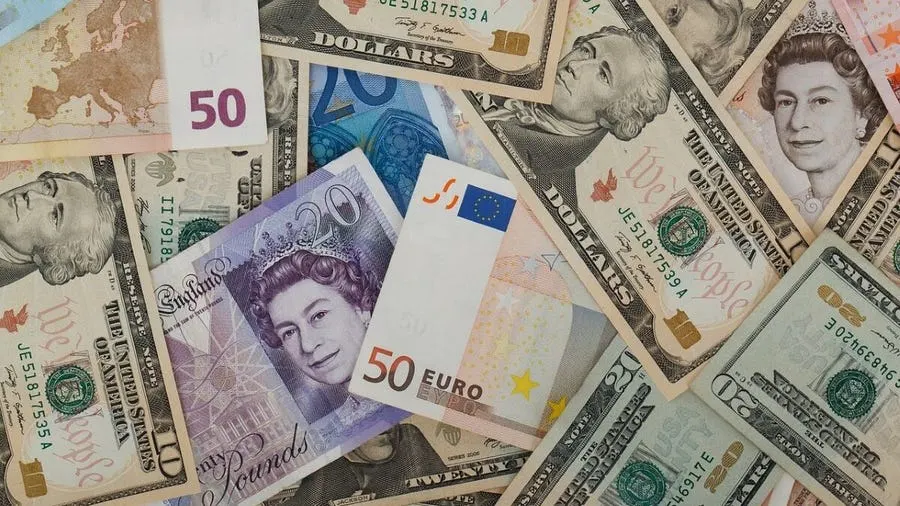
Sharing the fifth spot are the British Pound and the Gibraltar Pound. The GBP is a symbol of the United Kingdom’s enduring economic influence, supported by a diverse economy. Meanwhile, the Gibraltar Pound aligns with the GBP and showcases the strategic role of Gibraltar’s financial services sector. With an exchange rate close to 1.27 USD per pound, both currencies remain powerful symbols of stability.
Key Factors Behind GBP/GIP’s Strength
Diversified UK Economy: The UK’s economy spans finance, technology, and manufacturing, bolstering the pound’s strength.
Financial Services Hub: The Gibraltar economy benefits from its strategic position as a financial services hub.
Global Demand: The GBP is widely used in global finance, sustaining its demand and value.
Honorable Mentions: Other Strong Currencies on the Rise
While these five currencies lead the global stage, other notable currencies deserve recognition for their robust standing:
Cayman Islands Dollar (KYD): Supported by the territory’s booming financial services sector.
Swiss Franc (CHF): A longstanding symbol of stability and reliability in Europe.
Euro (EUR): The Euro’s strength reflects the collective economic might of European Union member states.
US Dollar (USD): Despite being widely traded, the USD’s position is influenced by global market demand and supply.
Understanding the strength of global currencies provides a window into the economic health and strategic ambitions of their respective countries. Whether it’s Kuwait’s oil-based strategy, Bahrain’s diversification, or Jordan’s resilience amidst challenges, each of these currencies reflects a unique story of economic endurance. For those in Nigeria and across Africa, awareness of currency dynamics can inform smarter travel, business, and financial planning.
How will these trends evolve in the coming years? Will new currencies emerge as global financial powerhouses, or will these top players retain their positions? As the world economy shifts, so too will the hierarchy of currencies in the global financial arena.
FAQs
What factors influence the strength of a currency?
Currency strength depends on factors like inflation, interest rates, economic policies, and resource management.
Why is the Kuwaiti Dinar so strong?
The Kuwaiti Dinar’s strength is primarily due to the country’s oil wealth and strategic fiscal policies.
How does the British Pound remain strong despite economic fluctuations?
The UK’s diversified economy, strategic financial policies, and global trade relations support the GBP’s resilience.
With these insights, anyone in Nigeria and beyond can make better-informed decisions, from travel to international investments, based on the evolving strength of global currencies.