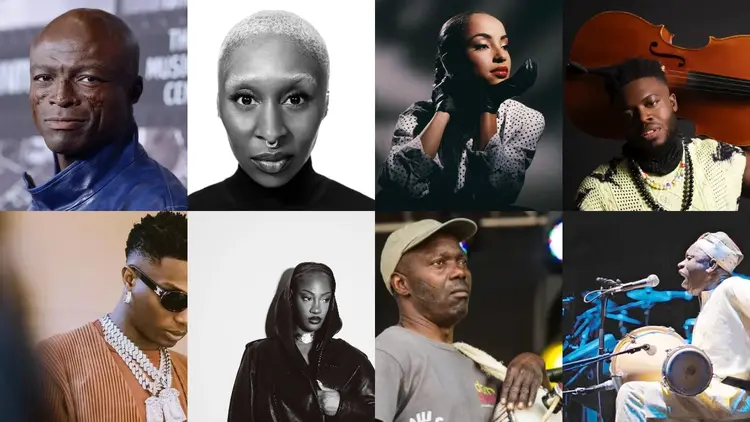
Check Out The Top Grammy Winners of Nigerian Origin (Updated 2025)
0
(0)
Could the indomitable spirit of Nigerian musical heritage be the secret force behind some of the Grammy’s most unforgettable victories? Artists of Nigerian origin and ancestry have masterfully blended indigenous influences with international styles, securing elite awards that highlight their supreme artistry in everything from heartfelt R&B anthems to groundbreaking fusions, thereby not only honoring their roots but also paving pathways for future generations to achieve unparalleled success in the ever-evolving landscape of global entertainment.
Sade Adu, born Helen Folasade Adu in Ibadan, Nigeria, emerged as a trailblazing force in the music world after relocating to England, where her smooth jazz-infused R&B captured hearts globally through her band Sade. Her first Grammy victory came in 1986 for Best New Artist, followed by wins in 1994 for Best R&B Performance by a Duo or Group with Vocals for “No Ordinary Love,” in 2002 for Best Pop Vocal Album with “Lovers Rock,” and in 2011 for Best R&B Performance by a Duo or Group with Vocals for “Soldier of Love,” marking her as one of the premier Nigerian-descended artists with four accolades. Adu’s music, characterized by elegant minimalism and emotional depth, has sold over 50 million albums, influencing countless performers and solidifying her status among the finest voices in contemporary soul. In recent years, she has maintained a low-profile life, focusing on selective projects while her timeless tracks continue to feature in films and playlists, drawing new fans to her sophisticated style. Her Nigerian heritage infuses her work with subtle cultural nuances, making her a symbol of cross-continental success in the industry. What timeless qualities position Sade Adu as a leading figure among top Grammy winners of Nigerian ancestry in the realm of soul and R&B music?
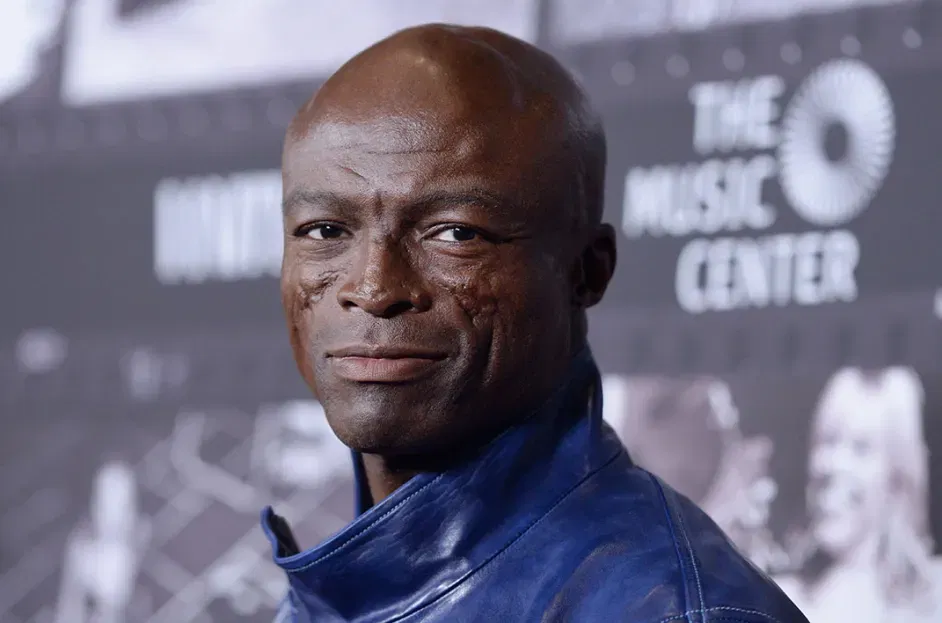
Seal, born Henry Olusegun Adeola Samuel in London to Nigerian parents of Yoruba descent, overcame early hardships including a battle with lupus to become a Grammy powerhouse with his distinctive gravelly voice and heartfelt lyrics. He secured four Grammy Awards, starting with Record of the Year, Song of the Year, and Best Male Pop Vocal Performance in 1996 for the iconic “Kiss from a Rose,” and later Best Pop Collaboration with Vocals in 2011 for a cover of “Imagine” with various artists, establishing him as an elite talent in pop and soul genres. His albums, blending rock, soul, and dance elements, have achieved multi-platinum status worldwide, with hits that dominate soundtracks like the Batman Forever film. Recently, Seal has ventured into coaching on television shows such as The Voice Australia, while releasing new music that reflects personal growth and social themes, keeping his relevance alive in a evolving industry. His Nigerian roots are evident in his rhythmic sensibilities, contributing to a unique sound that bridges cultures. How does Seal’s journey from Nigerian heritage to Grammy dominance inspire aspiring musicians seeking global recognition?
Kevin Olusola, an American musician of Nigerian descent through his father, graduated from Yale University with degrees in East Asian Studies before co-founding the a cappella group Pentatonix, where his beatboxing and cello skills revolutionized vocal music. He has earned three Grammy Awards with the group: Best Arrangement, Instrumental or A Cappella in 2015 for “Daft Punk,” again in 2016 for “Dance of the Sugar Plum Fairy,” and Best Country Duo/Group Performance in 2017 for “Jolene” featuring Dolly Parton, highlighting his role in one of the most outstanding vocal ensembles. Pentatonix’s innovative arrangements have garnered billions of YouTube views, expanding the reach of a cappella to mainstream pop and holiday classics. In current endeavors, Olusola pursues solo projects, including classical cello albums and motivational speaking, while advocating for music education in underserved communities. His Nigerian ancestry adds a layer of cultural diversity to his performances, often incorporating global rhythms. Why do Kevin Olusola’s Grammy successes with Pentatonix stand out as supreme examples of innovation among artists of Nigerian descent in modern music?
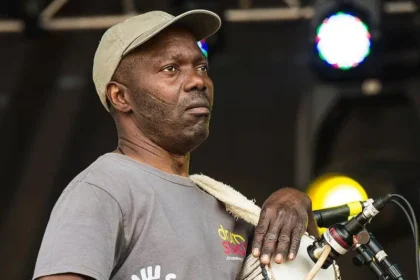
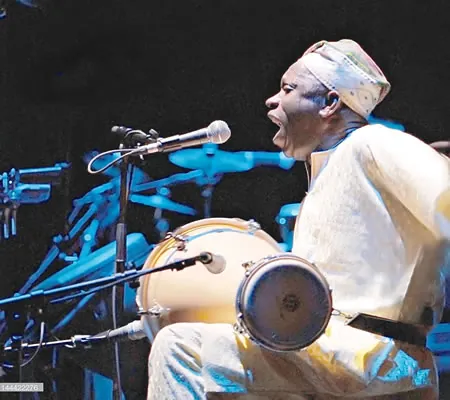
Sikiru Adepoju, a master percussionist born in Nigeria, honed his craft on the talking drum from a young age before collaborating with international acts, bringing Yoruba traditions to world music stages. He won two Grammy Awards: Best World Music Album in 1992 for contributions to Mickey Hart’s “Planet Drum,” and Best Contemporary World Music Album in 2009 for “Global Drum Project” with Hart and Zakir Hussain, affirming his status as a premier guardian of African percussion in fusion genres. His work has influenced countless drummers, merging Nigerian beats with jazz, rock, and electronic sounds in albums that promote cultural unity. Lately, Adepoju continues touring and recording, including sessions with younger Afrobeat artists to preserve and evolve traditional instruments. His dedication to education through workshops ensures the legacy of Nigerian rhythms endures globally. What innovative fusions make Sikiru Adepoju one of the best percussionists among top Grammy winners rooted in Nigerian culture?
Lekan Babalola, a Nigerian percussionist and producer from Lagos, drew from Yoruba spiritual traditions to collaborate with jazz legends, creating a bridge between African roots and contemporary sounds. His Grammy triumphs include Best Contemporary World Music Album in 2006 for Ali Farka Touré’s “In the Heart of the Moon” and Best Contemporary Jazz Album in 2009 for Cassandra Wilson’s “Loverly,” showcasing his exceptional ability to enhance diverse musical landscapes. Babalola’s discography spans over 100 albums, emphasizing rhythmic complexity that elevates genres like jazz and world fusion. In recent activities, he has focused on solo releases and cultural festivals, promoting Nigerian heritage through multimedia projects. His influence extends to mentoring emerging talents, fostering a new generation of percussionists. How has Lekan Babalola’s percussion mastery elevated him to elite status among Grammy honorees of Nigerian origin?
Tems, born Temilade Openiyi in Lagos, Nigeria, transitioned from a corporate job to music stardom with her soulful alto voice and introspective lyrics, quickly becoming a global sensation in Afrobeats and R&B. She claimed two Grammy Awards: Best Melodic Rap Performance in 2023 as a featured artist on Future’s “Wait for U” with Drake, and Best African Music Performance in 2025 for her solo track “Love Me JeJe,” marking her as one of the finest rising stars from Nigeria. Her debut album “Born in the Wild” topped charts worldwide, blending vulnerability with empowering themes that resonate with diverse audiences. Currently, Tems is embarking on international tours and collaborating with major labels, while advocating for women’s rights in the music industry. Her Nigerian upbringing infuses her sound with authentic Afrocentric elements, drawing acclaim for cultural representation. What breakthroughs position Tems as a standout among the best Nigerian Grammy winners in contemporary African music performance categories?
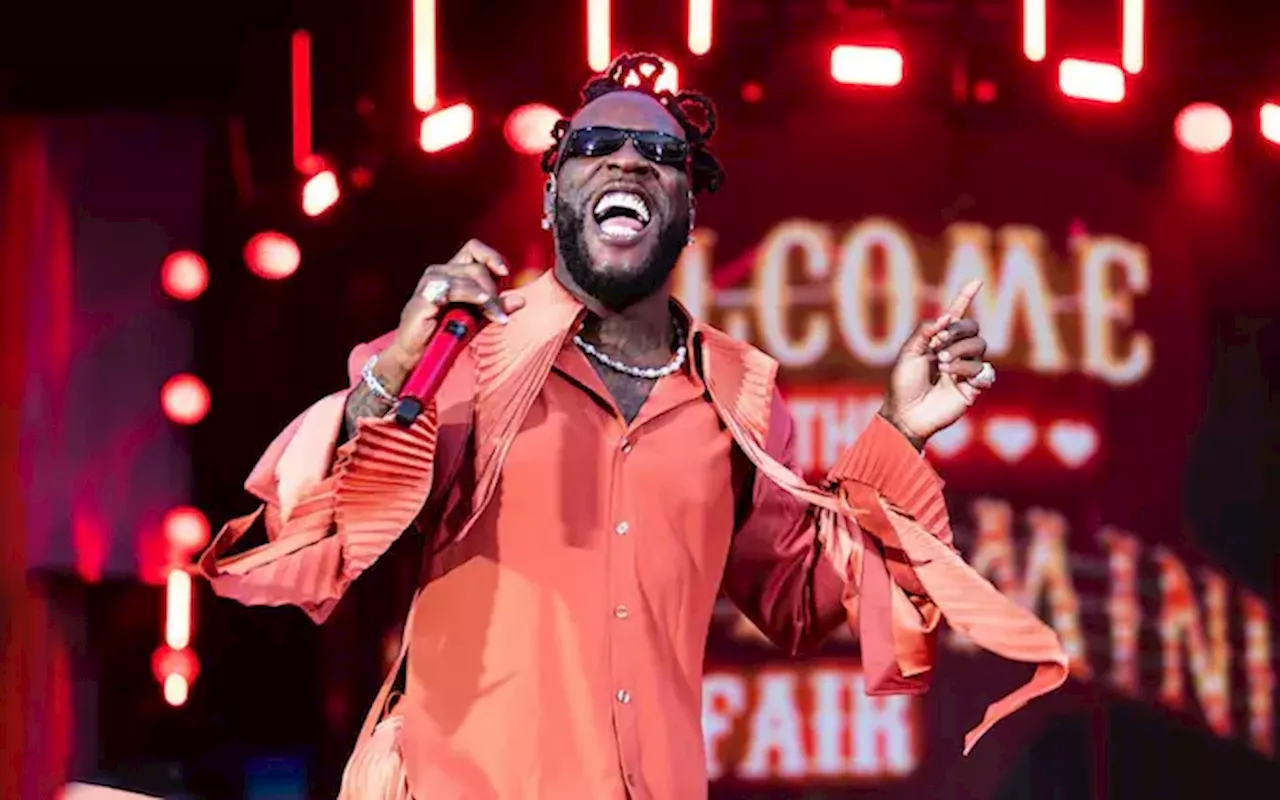
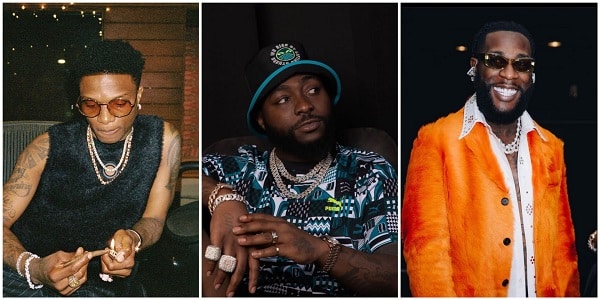
Burna Boy, born Damini Ebunoluwa Ogulu in Port Harcourt, Nigeria, fused Afrobeat with dancehall and reggae, drawing from his grandfather Fela Kuti’s legacy to create a signature sound that dominates global playlists. His Grammy win came in 2021 for Best Global Music Album with “Twice as Tall,” an album that explores African identity and resilience, cementing him as a supreme advocate for Pan-Africanism in music. With over a billion streams, Burna Boy’s work has sparked a resurgence in Afro-fusion, influencing festivals and collaborations across continents. In the latest developments, he has headlined sold-out arenas and released tracks addressing social issues, maintaining his momentum post-Grammy. His Nigerian essence shines through energetic performances that celebrate cultural pride. Why does Burna Boy’s global music album victory rank him among top Grammy winners embodying Nigerian musical heritage?
Wizkid, born Ayodeji Ibrahim Balogun in Lagos, Nigeria, rose from local mixtapes to international fame, pioneering Afrobeats’ crossover with infectious melodies and star collaborations. He earned a Grammy in 2021 for Best Music Video as a featured artist on Beyoncé’s “Brown Skin Girl,” a celebration of Black beauty that amplified African voices on a massive scale. His album “Made in Lagos” achieved platinum status, blending highlife and pop elements that appeal to multicultural fans. Recently, Wizkid has expanded into fashion and philanthropy, supporting education initiatives in Nigeria while preparing new releases. His journey reflects the vibrancy of Nigerian youth culture in global entertainment. How has Wizkid’s music video Grammy propelled him to premier status among artists of Nigerian descent?
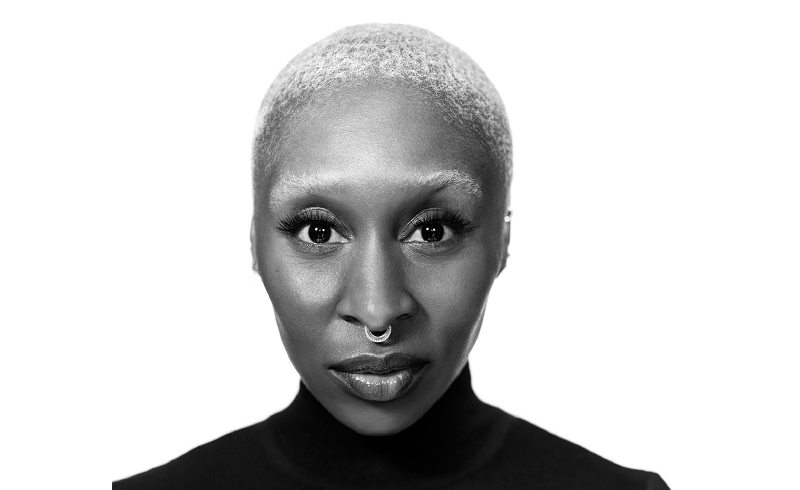
Cynthia Erivo, born in London to Nigerian immigrant parents, trained in musical theater before breaking into Broadway, where her powerful vocals and acting prowess earned widespread recognition. She won a Grammy in 2017 for Best Musical Theater Album with the cast recording of “The Color Purple,” complementing her Tony and Emmy awards toward EGOT status. Erivo’s performances infuse emotional intensity, drawing from her Nigerian heritage to portray resilient characters in films like “Harriet.” In ongoing projects, she stars in major Hollywood productions and releases original music, advocating for diversity in the arts. Her multifaceted career inspires underrepresented talents worldwide. What aspects of Cynthia Erivo’s theater album win make her an outstanding example of Nigerian-ancestry success in Grammy musical categories?
Chamillionaire, born Hakeem Temidayo Seriki in Washington, D.C., to a Nigerian Yoruba father and American mother, built his rap empire in Houston’s mixtape scene, known for clever wordplay and entrepreneurial spirit. He secured a Grammy in 2007 for Best Rap Performance by a Duo or Group with “Ridin'” featuring Krayzie Bone, a track that critiqued racial profiling and topped Billboard charts. His music ventures extended to tech investments, including early stakes in companies like Maker Studios, showcasing business acumen beyond artistry. Currently, Chamillionaire focuses on venture capital and podcasts, mentoring young entrepreneurs while occasionally dropping new verses. His Nigerian descent adds a layer of cultural ambition to his narrative. Why is Chamillionaire’s rap performance Grammy a testament to the diverse achievements of top artists with Nigerian roots?
Babatunde Olatunji, born in Ajido, Nigeria, immigrated to the United States on a scholarship, introducing African drumming to American audiences through groundbreaking albums and teachings. He won a Grammy in 1991 for Best World Music Album as a featured artist on Mickey Hart’s “Planet Drum,” a collaborative effort that fused global percussions and promoted cultural exchange. Olatunji’s “Drums of Passion” album influenced jazz icons like John Coltrane, expanding the scope of world music in the West. Though he passed in 2003, his legacy endures through reissues and tributes, inspiring modern percussionists. His work highlighted Nigerian rhythmic traditions on international platforms. How did Babatunde Olatunji’s world music Grammy pioneer pathways for future Nigerian talents in global fusion genres?
Jenn Nkiru, a British filmmaker of Nigerian descent, specializes in visual storytelling that explores Black history and futurism, gaining acclaim for her directorial vision. She co-directed and won a Grammy in 2021 for Best Music Video with “Brown Skin Girl” by Beyoncé, featuring Wizkid, a vibrant ode to African beauty and empowerment. Nkiru’s style incorporates archival footage and symbolic imagery, influencing music videos and documentaries alike. In recent years, she has directed for major brands and exhibited at galleries, pushing boundaries in Afrofuturism. Her Nigerian heritage fuels narratives of diaspora strength. What creative innovations elevate Jenn Nkiru among the best Grammy winners in music video categories with Nigerian ancestry?
In the grand symphony of global music, the triumphs of these top Grammy winners from Nigeria and those of Nigerian ancestry resonate as a testament to unyielding creativity, cultural depth, and transformative power, bridging continents through melodies that honor their roots while pushing artistic boundaries, ultimately inspiring emerging voices to amplify Nigerian heritage on ever-grander platforms and solidifying its indelible mark on the world’s auditory landscape.
As the curtain falls on this exploration of Grammy excellence, the legacies of Nigerians and artists of Nigerian descent stand as beacons of innovation and resilience, weaving Afrocentric rhythms into the fabric of international acclaim, fostering a vibrant continuum where past pioneers fuel future breakthroughs, and guaranteeing that the essence of Nigerian musical prowess continues to echo triumphantly across generations and genres.