Top 15 Political Commentators in Nigeria: Shaping Public Opinion in Africa’s Largest Democracy (Updated)
0
(0)
Have you ever wondered who the premier voices are that dissect Nigeria’s complex political dynamics, challenge governance norms, and drive public discourse in 2025 amid economic reforms and social upheavals? These influential Nigerian political analysts, drawn from diverse backgrounds in journalism, activism, and public service, play pivotal roles in informing citizens, holding leaders accountable, and fostering debates on critical issues like corruption, security, and democratic progress in Africa’s largest democracy.
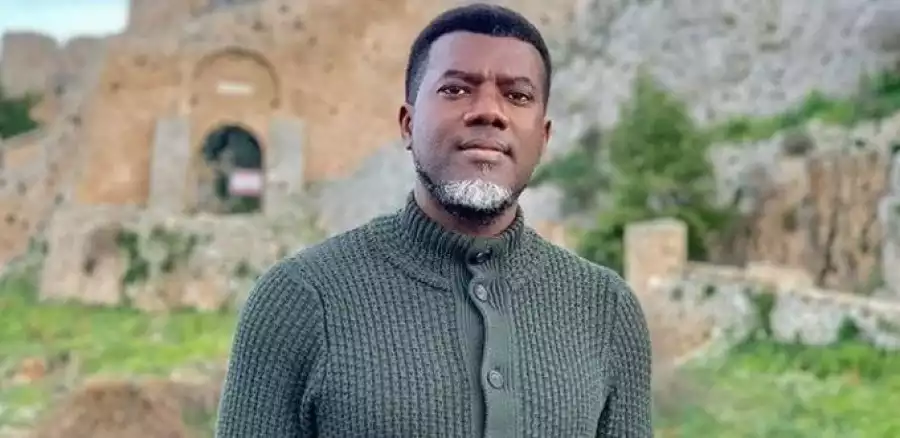
Reno Omokri, born in 1974, transitioned from a pastoral role and presidential aide under Goodluck Jonathan to become one of Nigeria’s most outspoken political commentators, leveraging his social media presence to critique current administrations and advocate for progressive policies in 2025. His influence stems from a massive following on platforms like X, where he shares conservative views on governance, often sparking heated debates that resonate with both supporters and detractors across Nigeria’s political spectrum. Omokri’s books and columns further amplify his elite status, focusing on leadership ethics and national unity, while his adventures as a globetrotter add a unique global perspective to local issues. Critics accuse him of partisanship, yet his ability to mobilize public opinion on economic matters positions him as a superior force in shaping narratives around Nigeria’s future.
Rufai Oseni, born on April 8, 1980, in Odogbolu, Ogun State, has solidified his reputation as a leading broadcast journalist and political commentator through his role as co-host on Arise TV’s morning show, where he delivers incisive analyses on governance and economic policies in 2025. His background in finance and economics enables him to break down complex issues like inflation and fiscal reforms, influencing public understanding and holding officials accountable during interviews that often go viral. Oseni’s philanthropy, including establishing community centers, extends his impact beyond media, fostering civic engagement and youth empowerment in Nigeria’s southern regions. Despite facing controversies over his direct questioning style, he maintains a non-partisan stance, earning respect as an outstanding advocate for ethical journalism and social justice.
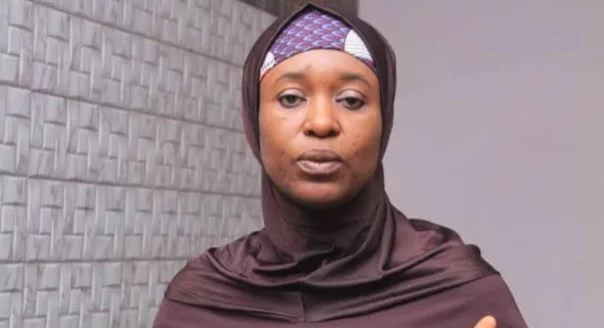
Aisha Yesufu, born December 12, 1973, in Kano, rose to prominence as a co-founder of the #BringBackOurGirls movement, evolving into a premier socio-political activist whose bold critiques on human rights and governance shape Nigeria’s activist landscape in 2025. Her influence amplified during the #EndSARS protests, where she advocated for police reform and youth empowerment, drawing a dedicated following that views her as a symbol of resilience against systemic injustices. Yesufu’s business acumen and public speaking engagements add depth to her commentary on gender equality and inclusion, challenging stereotypes in northern Nigeria’s political sphere. Nominated for awards like Citizen of the Year, she continues to push for transparency and civic education, making her an elite voice in national debates.
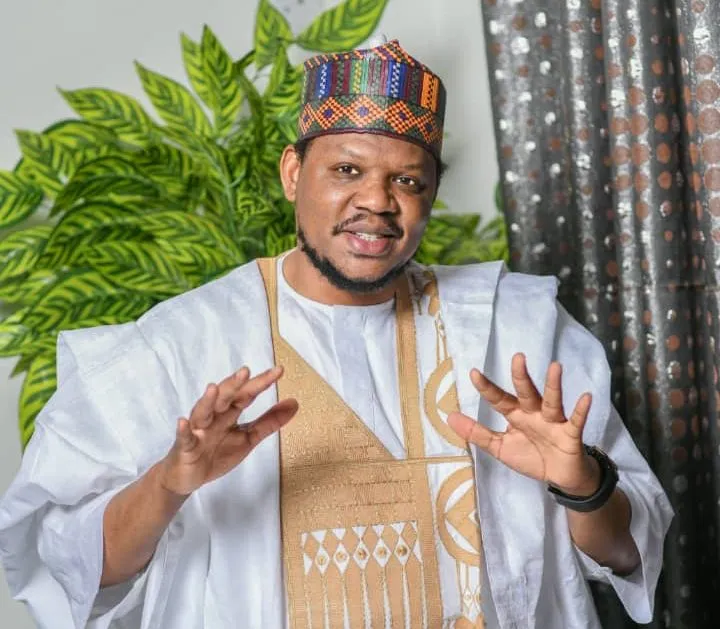
Adamu Garba, a tech entrepreneur and former presidential aspirant, brings a fresh perspective to Nigeria’s political commentary in 2025, focusing on youth empowerment, innovation, and geopolitical issues from his base in northern Nigeria. His background as CEO of IPI Solutions and studies in the Fourth Political Theory position him as a leading advocate for Pan-Africanism and digital economy reforms, influencing young voters through social media. Garba’s controversial statements on regional politics have sparked debates, yet his vision for generational leadership resonates in discussions on Nigeria’s economic development. As a chieftain in the APC, he critiques international influences while promoting national unity, establishing himself as a superior commentator on tech-driven governance.
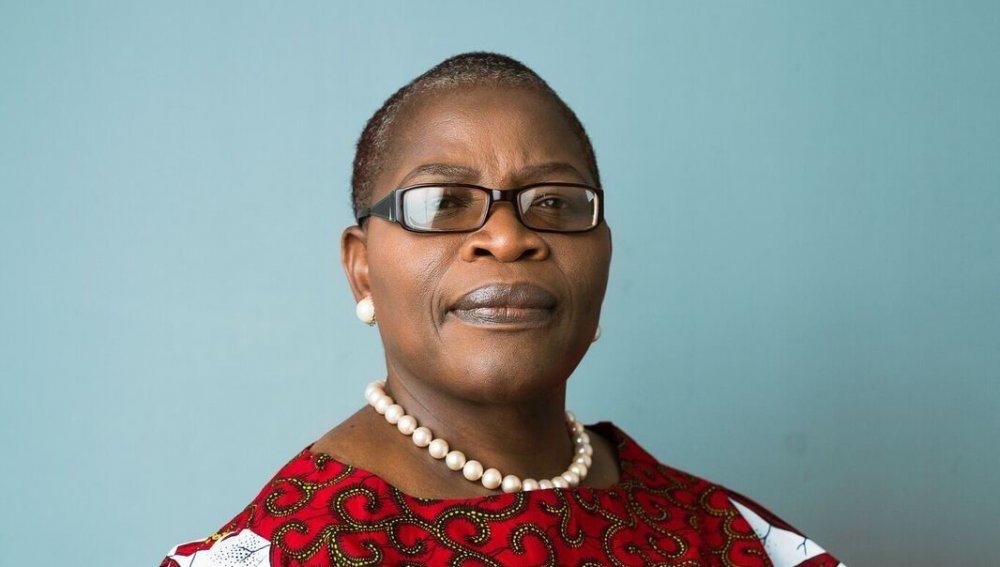
Oby Ezekwesili, born April 28, 1963, leverages her experience as former World Bank Vice President and Nigerian minister to provide superior analysis on good governance and anti-corruption in 2025, influencing policy debates across Africa. As founder of Fix Politics and the School of Politics, Policy and Governance, she advocates for educational reform and transparency, drawing from her 2019 presidential run to challenge systemic failures. Ezekwesili’s global recognition as a human rights advocate enhances her commentary on economic policies, making her a top figure in fostering accountable leadership. Her commitment to evidence-based critiques earns respect across spectra, positioning her as an outstanding mentor for emerging politicians.
Dele Momodu, born May 16, 1960, has evolved from a renowned journalist and publisher of Ovation International to a prominent political commentator, using his platform to analyze Nigeria’s elite circles and democratic processes in 2025. His 2011 presidential bid and philanthropy in education underscore his influence, blending media savvy with political insight to critique governance and promote youth empowerment. Momodu’s global citizenship informs his views on Nigeria’s international relations, making him a leading voice in lifestyle-infused political discourse. Celebrated at 65 for his enduring legacy, he continues to inspire through mentorship and advocacy for freedom. His warnings on opposition unity for 2027 highlight his role as an outstanding commentator on electoral dynamics.
Shehu Sani, born October 29, 1967, in Kaduna, draws from his senatorial tenure and activism to offer premier insights on human rights and democracy in Nigeria 2025, influencing northern political narratives. As president of the Civil Rights Congress, his writings and poetry address ethnicity’s role in politics, warning against its destructive impact on national unity. Sani’s bold stance on June 12 commemorations and calls for lasting legislative legacies position him as a top advocate for progressive reforms. His potential 2027 run signals continued engagement in electoral politics. Influenced by figures like Aminu Kano, he remains an elite Pan-Africanist voice.
Femi Fani-Kayode, born October 16, 1960, uses his ministerial experience in aviation and culture to deliver controversial yet influential commentary on Nigeria’s political history and nationalism in 2025. Descended from prominent Yoruba leaders, his essays and social media posts defend ethnic interests while critiquing opposition, making him a polarizing figure in public discourse. Fani-Kayode’s shift across parties highlights his adaptability, influencing debates on power dynamics. His titles as Sadaukin Shinkafi reflect cultural ties that enrich his analyses. As a poet and lawyer, he remains a superior commentator on justice and heritage.
Olusegun Adeniyi, a seasoned journalist and former presidential spokesperson, provides authoritative reflections on Nigeria’s democratic challenges in 2025, drawing from his books like “Power, Politics and Death.” His columns in ThisDay address existential threats and leadership failures, influencing policy discussions with historical context. Adeniyi’s fellowship in the Nigerian Academy of Letters adds intellectual depth to his critiques on civil-military relations. He advocates for mindset changes in governance, making him a leading analyst on national progress. His work on June 12 and independence anniversaries cements his elite status in political commentary.
Reuben Abati, born November 7, 1965, transitions from presidential advisor to a top TV anchor on Arise News, offering nuanced analyses on Nigerian politics and society in 2025 through his upcoming books. His journalistic career, marked by columns and fellowships, influences public opinion on godfatherism and ethical issues. Abati’s PDP background informs his critiques, positioning him as an outstanding commentator on power dynamics. Celebrating 60 with publications on reflections, he blends academia and media for comprehensive insights. His role in fostering debate earns him respect as a superior voice.
Bolaji Abdullahi, born August 12, 1969, in Ilorin, serves as ADC spokesperson in 2025, drawing from ministerial roles in sports and youth to influence opposition strategies and youth political participation. His journalism background enhances his commentary on party dynamics and reforms, advocating for young leaders in Nigeria’s evolving landscape. Abdullahi’s shift from APC to ADC highlights adaptability, making him a leading figure in alternative politics. He emphasizes strategic representation for youths, fostering growth in democratic processes. His interim roles amplify his impact on national discourse.
Fredrick Nwabufo, as Senior Special Assistant on Public Engagement to President Tinubu in 2025, uses his journalism roots to shape narratives on renewed hope and national unity, influencing government-citizen relations. Founder of TheLink News, his columns defend reforms and highlight achievements in security and economy. Nwabufo’s focus on South-East integration exemplifies his role in bridging regional divides. He advocates for greater Nigeria through citizen diaries, positioning him as an outstanding communicator. His media entrepreneurship adds credibility to his political insights.
Fisayo Soyombo, born October 27, founded the Foundation for Investigative Journalism, exposing corruption through undercover reports that influence accountability demands in Nigeria 2025. His prison infiltration and hospital investigations have led to reforms, marking him as a premier investigative voice. Soyombo’s awards and fellowships underscore his impact on press freedom. He tackles systemic issues like customs fraud, inspiring journalistic standards. As a Liverpool fan and fitness enthusiast, his personal touch humanizes his hard-hitting work.
Jaafar Jaafar, founder of Daily Nigerian, gained fame for exposing high-level corruption like the Ganduje videos, influencing anti-graft efforts in northern Nigeria 2025. His two-decade career from Daily Trust to Premium Times establishes him as an elite journalist tackling political scandals. Jaafar’s columns on governance and security provide courageous insights. Based in London, his global view enriches local commentary. He remains a top force in investigative reporting.
Deji Adeyanju, a lawyer and activist with a first-class degree, leads Concerned Nigerians, influencing human rights and justice campaigns in 2025 through protests and legal advocacy. His PDP background and non-partisan shift highlight his commitment to accountability, facing arrests for his boldness. Adeyanju’s interviews critique power abuses, inspiring youth activism. As a prisoner of conscience, his story embodies resilience. He dreams of equitable Nigeria, making him an outstanding defender.
In conclusion, the top 15 political commentators in Nigeria for 2025 embody the best in analytical prowess and advocacy, from Reno Omokri’s partisan critiques to Deji Adeyanju’s activist fervor, collectively driving the nation’s democratic evolution amid challenges like economic hardship and security concerns. These elite figures, including superior analysts like Oby Ezekwesili and outstanding journalists such as Fisayo Soyombo, offer diverse perspectives that inform policy and empower citizens, ensuring robust discourse in Africa’s powerhouse. By engaging with their insights on governance reforms and social justice, Nigerians can navigate the complexities of 2025 with greater awareness and participation. Have you explored how these top commentators’ views could reshape your understanding of Nigeria’s political future?