Have you ever wondered how African footballers, with their electrifying talent and unyielding spirit, captivate the world and redefine excellence on international pitches? In 2026, following the thrilling AFCON 2025 showdown in Morocco, the continent’s soccer landscape showcases remarkable prowess, where nations blend tactical brilliance with raw athleticism to challenge global giants. These powerhouse teams have not only excelled in continental competitions but also secured vital spots in World Cup qualifications, highlighting Africa’s growing influence in the sport. As fans across the globe tune into matches featuring star-studded lineups, the evolution of African soccer continues to inspire. Understanding these dynamics reveals why Africa remains a hotbed for football innovation and passion.
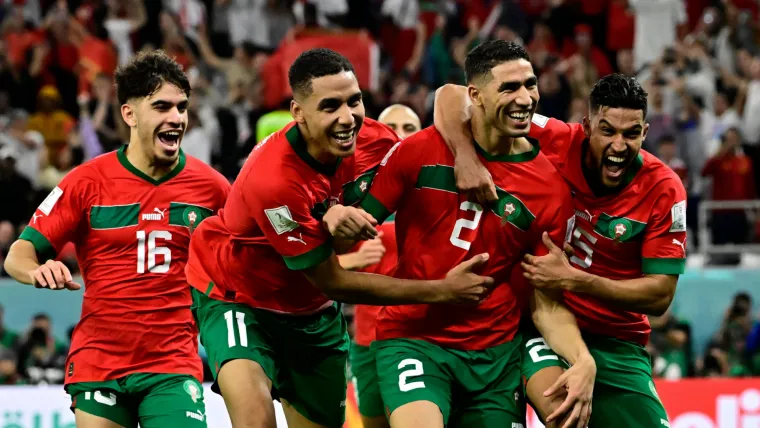
Morocco stands as one of Africa’s finest football nations in 2026, having reached the AFCON 2025 final where they fell narrowly to Senegal 1-0 as hosts, adding to their 1976 title and consistent top finishes in recent tournaments. Their outstanding World Cup 2026 qualification campaign saw them top their group undefeated, building on their historic 2022 semi-final run as the first African team to achieve that milestone. Star players like Achraf Hakimi, known for his blistering pace at Paris Saint-Germain, and Hakim Ziyech, a creative force at Galatasaray, drive the squad’s elite attacking flair. Have you considered how Morocco’s blend of European-based talents elevates their defensive solidity and counter-attacking prowess? This premier team’s leading role in African soccer underscores their status among the continent’s best, with ambitions set on deeper runs in future global events.
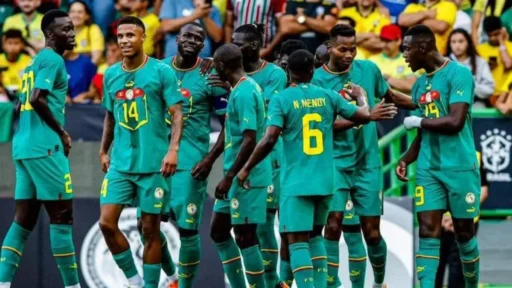
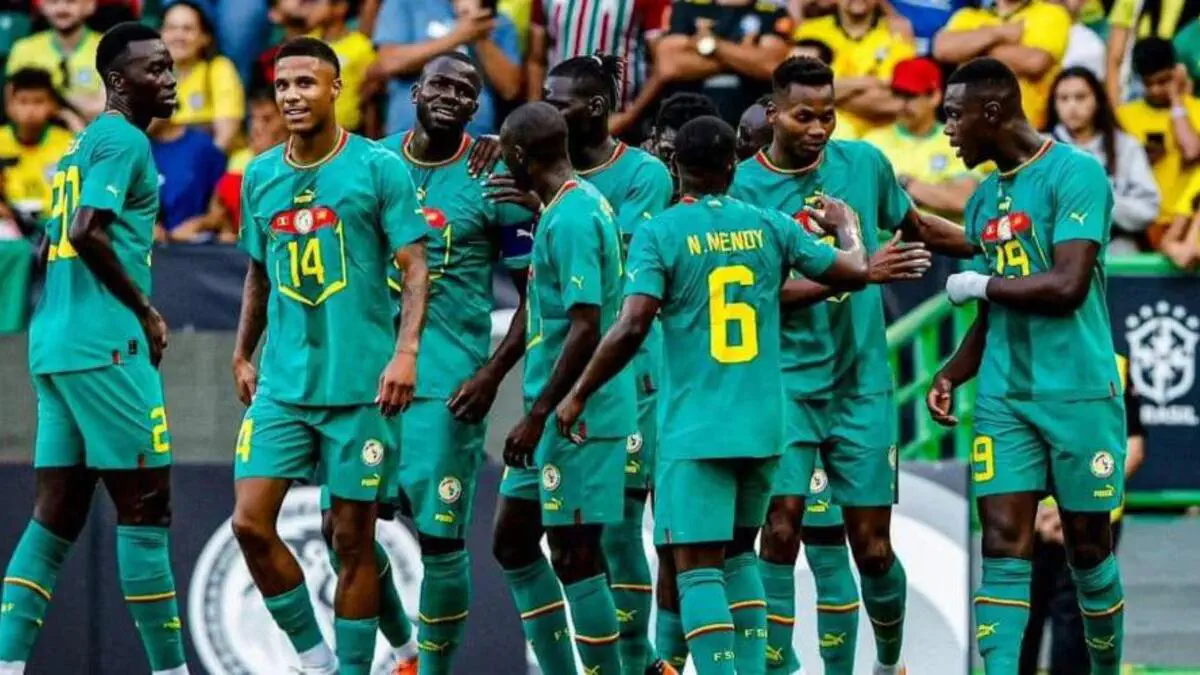
Senegal emerges as a top African football powerhouse in 2026, clinching the AFCON 2025 crown with a 1-0 victory over Morocco in the final, marking their second title after 2021 and solidifying their dominance with consistent semi-final appearances. Their flawless World Cup 2026 qualification included topping Group D, reflecting strategic depth that positions them as favorites for continental supremacy. Key figures such as Sadio Mane, the prolific Bayern Munich forward, and Kalidou Koulibaly, a defensive anchor at Al-Hilal, exemplify the squad’s outstanding balance of speed and resilience. As one of the continent’s best, Senegal’s leading innovations in youth development continue to fuel their pursuit of global recognition.
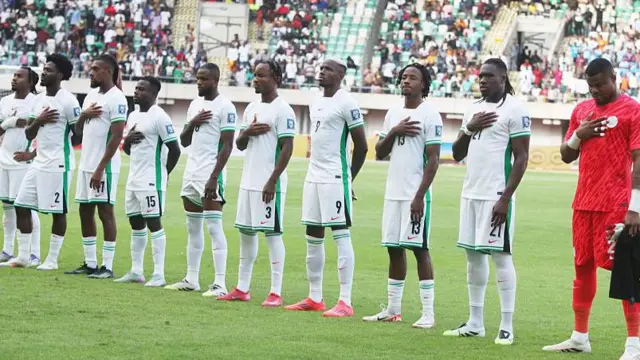
Nigeria ranks among Africa’s best football nations in 2026, securing third place at AFCON 2025 after a penalty shootout win over Egypt in the bronze match, adding to their three titles and multiple podium finishes. Despite missing direct World Cup 2026 qualification, falling in playoffs to DR Congo, their form highlights resilience amid a rebuild phase. Victor Osimhen, the Napoli goal machine, and Ademola Lookman, Atalanta’s dynamic winger, represent the team’s premier attacking threats. This outstanding squad’s top contributions to African soccer affirm their enduring legacy as continental heavyweights.
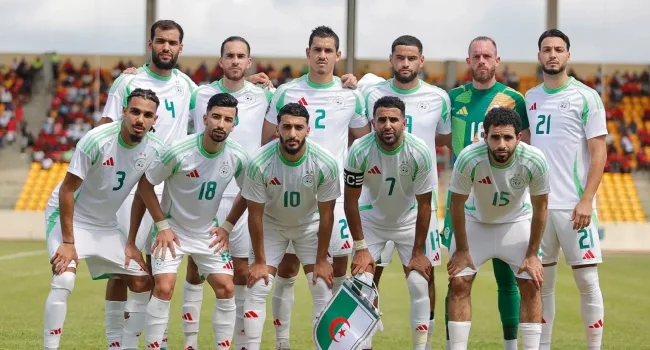
Algeria holds a prominent position as one of Africa’s leading football teams in 2026, reaching the AFCON 2025 quarter-finals before a loss to Nigeria, building on their 2019 triumph and strong showings in prior editions. Their successful World Cup 2026 qualification, topping Group A convincingly, demonstrates tactical acumen under coach Djamel Belmadi. Riyad Mahrez, the Al-Ahli playmaker, and Ismael Bennacer, AC Milan’s midfield maestro, anchor the side’s elite creativity. As a finest exemplar of African resilience, Algeria’s top rankings reinforce their status among the best.
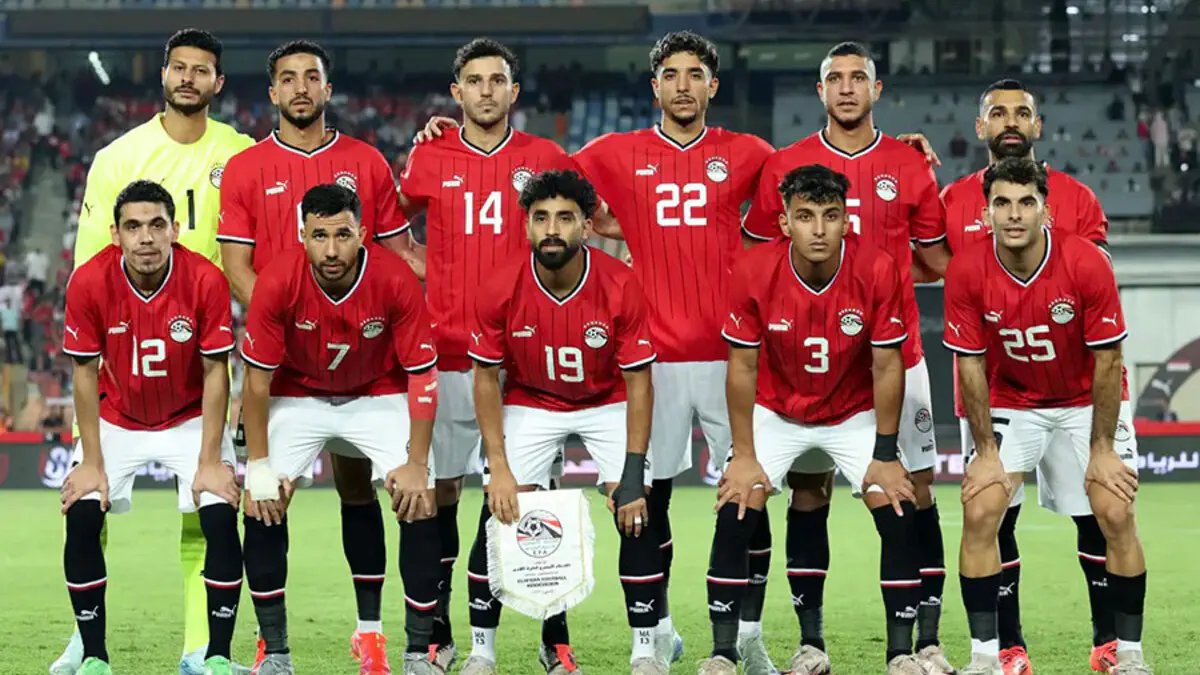
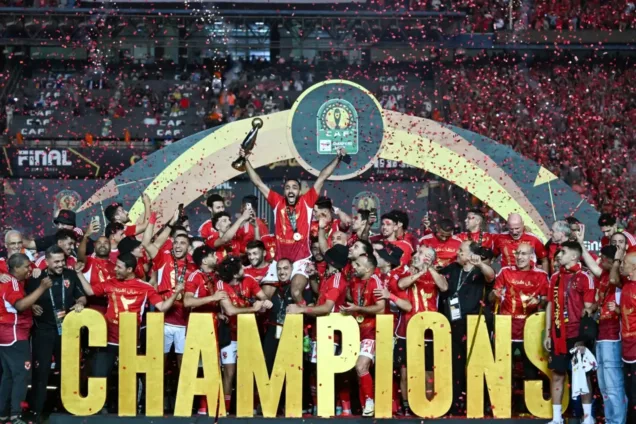
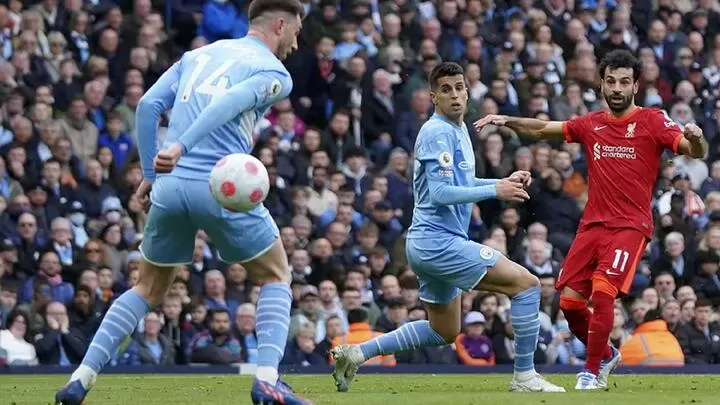
Egypt commands respect as a top African soccer entity in 2026, advancing to the AFCON 2025 semi-finals with a quarter-final upset over defending champions Ivory Coast, enhancing their record seven titles. Their dominant World Cup 2026 qualification run, leading Group B, positions them for another global appearance. Mohamed Salah, Liverpool’s iconic scorer, and Mahmoud Trezeguet, Trabzonspor’s versatile attacker, fuel the Pharaohs’ outstanding offense. This premier nation’s leading achievements cement its place among Africa’s elite.
Ivory Coast remains one of Africa’s finest in 2026, despite a quarter-final exit at AFCON 2025 to Egypt as defending champions from 2023, with prior wins in 1992 and 2015. Securing World Cup 2026 qualification by topping their group underscores their rebounding strength. Franck Kessie, the Al-Ahli midfielder, and Sebastien Haller, Borussia Dortmund’s striker, epitomize the team’s elite physicality. As an outstanding force, their top contributions enrich African football.
Cameroon stands tall among Africa’s best football squads in 2026, bowing out in AFCON 2025 quarter-finals to Morocco, adding to their five titles and storied history. Though eliminated in World Cup 2026 playoffs by DR Congo, their competitive edge persists. Andre Onana, Manchester United’s goalkeeper, and Vincent Aboubakar, Besiktas’ forward, highlight the Indomitable Lions’ premier grit. This leading team’s outstanding resilience defines its top status.
Tunisia excels as a leading African football team in 2026, exiting AFCON 2025 in the round of 16 via penalties to Mali, yet boasting a 2004 title and consistent qualifications. Topping their World Cup 2026 group ensures another tournament berth. Youssef Msakni, the veteran captain, and Ellyes Skhiri, Eintracht Frankfurt’s midfielder, drive their tactical finesse. As one of the continent’s finest, Tunisia’s top performances sustain its elite reputation.
DR Congo emerges as an outstanding African nation in 2026, reaching AFCON 2025 round of 16 before falling to Algeria, with historical semi-finals in 2015. Advancing to World Cup 2026 inter-confederation playoffs after besting Nigeria signals potential. Cedric Bakambu, Galatasaray’s scorer, and Yoane Wissa, Brentford’s winger, embody the Leopards’ dynamic play. This top squad’s leading efforts mark it among Africa’s best.
Mali rounds out Africa’s elite in 2026, progressing to AFCON 2025 quarter-finals via penalties over Tunisia, with a best finish of second in 1972. Missing direct World Cup 2026 qualification but showing form in group stages. Yves Bissouma, Tottenham’s midfielder, and Amadou Haidara, RB Leipzig’s enforcer, lead the Eagles’ midfield mastery. As a premier team, Mali’s outstanding growth affirms its top standing.
In 2026, these top 10 African football nations epitomize the continent’s vibrant soccer heritage, blending AFCON triumphs with World Cup aspirations to captivate global audiences. Their elite athletes and strategic evolutions drive unprecedented success, fostering unity and inspiration across borders. As rivalries intensify and new talents emerge, Africa’s leading role in the sport promises thrilling futures.