Nigeria’s Top 5 Export Commodities to the United Kingdom (2026)
0
(0)
The enduring partnership between Nigeria and the United Kingdom is exemplified by their robust trade relationship, reflecting a collaborative effort towards mutual economic advancement. Spanning diverse sectors, including oil, gas, agriculture, and finance, active bilateral trade endeavors between the two nations continue to flourish. Among these sectors, the oil and gas industries generate the most substantial revenue for Nigeria.
Trade Statistics: A Snapshot of the UK-Nigeria Trade Landscape
According to the most recent data from the UK’s Department for Business and Trade factsheets, as of Q3 2023, the overall trade in goods and services between the UK and Nigeria amounted to £6.7 billion, reflecting a £136 million increase compared to Q3 2022.
The report highlights a 21.2% decline in UK exports of goods to Nigeria, totaling £357 million in current prices for the four quarters up to the end of Q3 2023. Conversely, UK exports of services to Nigeria witnessed a 21.3% increase, amounting to £461 million in current prices for the same period compared to the previous year.
In summary, while Nigeria’s imports from the UK experienced a decline, its exports recorded a modest uptick of 1.2% or £32 million compared to the corresponding period in 2022, totaling £2.7 billion.
Notably, Nigeria’s procurement of services from the UK amounted to £817 million (30.3%), while its exports of goods stood at £1.9 billion (69.7%), as per the report’s findings.
Unsurprisingly, crude oil tops the list as Nigeria’s most valuable export commodity to the United Kingdom. With a staggering trade value of £1.2 billion, crude oil accounts for a substantial 62.6% of Nigeria’s total exports to the UK during the specified period. Nigeria is a major player in the global oil market, with vast reserves of crude oil that are exported to various countries, including the UK. The demand for crude oil remains high, driven by the energy needs of industrialized nations and the production of petroleum-based products.
Refined oil products, including gasoline, diesel, and other petroleum-based fuels, secure the second position on the list, with a trade value of £334.5 million, contributing 17.8% to Nigeria’s overall exports to the UK. The refining process adds value to crude oil by transforming it into products that are readily usable for transportation, heating, and other industrial applications. Nigeria’s export of refined oil products to the UK caters to the country’s energy demands and supports various sectors of its economy.
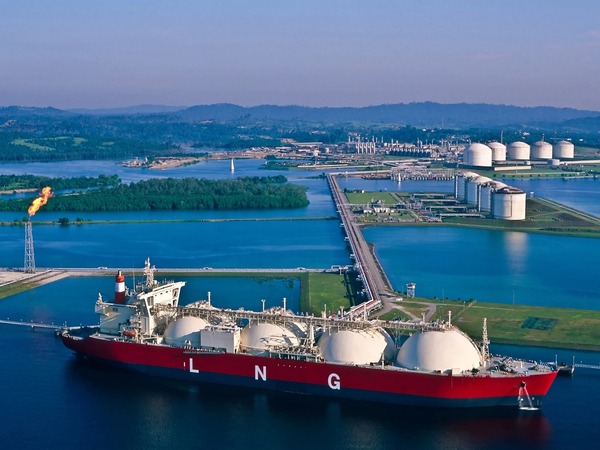
The gas sector, encompassing natural gas and related products, emerges as the third-largest export commodity from Nigeria to the UK, with a trade value of £292.4 million, accounting for 15.6% of total exports during the specified period. Natural gas is a versatile energy source used for electricity generation, heating, and industrial processes. Nigeria’s abundant natural gas reserves make it a significant exporter of this commodity to the UK, contributing to the country’s energy mix and supporting various industries.
While not a traditional export commodity, aircraft and related components secured the fourth position on the list, with a trade value of £21.7 million, contributing 1.2% to Nigeria’s exports to the UK. This may include the export of aircraft parts, components, or complete aircraft for various purposes, such as commercial aviation, private jets, or military use. Nigeria’s involvement in the aircraft export market highlights the country’s growing industrial capabilities and potential for diversification.
Rounding out the top 5 is the metal ores and scrap sector, with a trade value of £12.1 million, accounting for 0.6% of Nigeria’s total exports to the UK during the specified period. Metal ores, such as iron ore, bauxite, and copper ore, are essential raw materials for various industries, including construction, manufacturing, and infrastructure development. Additionally, the export of scrap metal contributes to the circular economy by enabling the recycling and reuse of valuable materials. Nigeria’s exports in this sector cater to the UK’s demand for these resources.
While the aforementioned commodities dominate Nigeria’s export landscape to the UK, other notable exports include:
Agricultural products: Cocoa beans, rubber, processed foods, and other agricultural commodities contribute to Nigeria’s export portfolio, catering to the UK’s food and beverage industry.
Manufactured goods: Textiles, furniture, leather products, and other manufactured items showcase Nigeria’s growing industrial capabilities and diversification efforts.
Precious metals and gemstones: Nigeria’s mineral wealth includes the export of gold, diamonds, and other precious metals and gemstones to the UK, serving the jewelry and luxury goods market.
Wood and wood products: Nigeria’s forestry resources enable the export of timber, plywood, and other wood-based products to the UK, supporting the construction and furniture industries.