Top 10 Turmeric Exporting Countries Globally (Updated 2026)
0
(0)
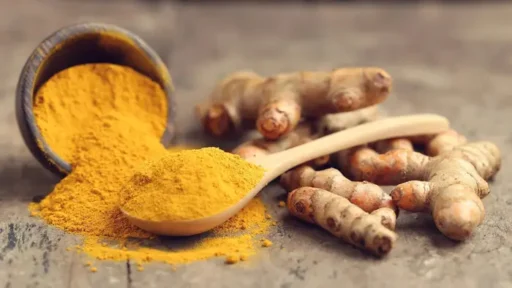
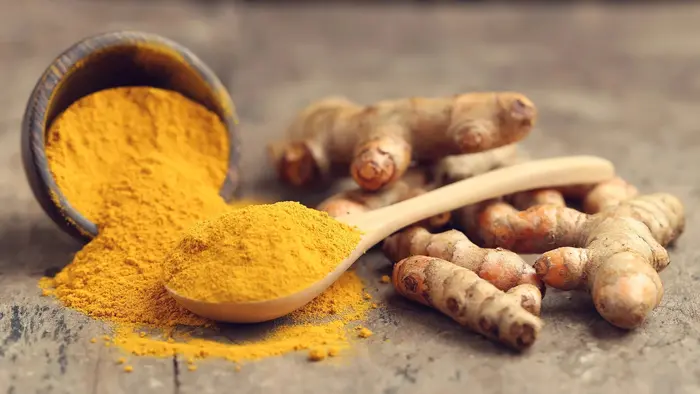
Have you ever considered why turmeric has experienced such remarkable growth in popularity around the world, especially due to its exceptional nutritional benefits that encompass anti-inflammatory effects and antioxidant properties? This golden spice, derived from the Curcuma longa plant, has become integral to health-conscious diets, supporting joint health and digestive wellness through its active compound curcumin. Demand has skyrocketed with the wellness industry’s expansion, leading to a global market valued at over $4 billion in recent years. Nutritional studies highlight its role in boosting immunity and potentially aiding in chronic disease prevention, driving consumer interest in supplements and functional foods. As we review the principal exporters with data refreshed for 2026, these countries underpin the supply chain, ensuring availability amid escalating international requirements.
Use of Turmeric
Culinary applications feature turmeric as a key spice in curries, soups, and rice dishes, imparting a warm, earthy flavor and vibrant yellow color.
Medicinal purposes harness turmeric’s curcumin for reducing inflammation, alleviating arthritis symptoms, and enhancing brain function.
Cosmetic formulations include turmeric in skincare for its brightening effects, acne treatment, and anti-aging properties.
Beverage production uses turmeric in golden milk, teas, and lattes, promoting relaxation and digestive aid.
Pharmaceutical industries incorporate turmeric extracts in capsules and tablets for natural pain relief and liver support.
Traditional healing practices employ turmeric in Ayurvedic and Chinese medicine for wound healing and detoxification.
Agricultural uses involve turmeric as a natural pesticide and in animal feed for health benefits.
1. India
India dominates as the primary turmeric exporter worldwide in 2026, with export values approximating $333.2 million, comprising nearly 70 percent of the global total based on 2024 figures projected forward with steady growth. The fertile regions of Andhra Pradesh and Tamil Nadu facilitate massive cultivation, engaging millions of farmers in sustainable practices that yield high-curcumin varieties. Government programs enhance quality through certification, enabling access to premium markets in North America and Europe. Economic contributions surpass $300 million annually, bolstering rural incomes and infrastructure development. As the foremost supplier, India’s turmeric is acclaimed for its superior potency, establishing it among the best sources for authentic quality.
2. Netherlands
Netherlands positions itself second among top turmeric exporting nations in 2026, exporting goods valued at $14.6 million and holding about 3 percent of the world share from recent trade assessments. As a major re-export hub, the country leverages its advanced logistics in Rotterdam to distribute imported turmeric efficiently across Europe. Investments in processing facilities ensure compliance with EU standards, focusing on organic and traceable products. The sector generates significant revenue, supporting jobs in trade and warehousing. Recognized as a leading distributor, Netherlands’ role enhances global accessibility, making it one of the elite channels for diverse applications.
Vietnam ranks third in global turmeric exports for 2026, with values reaching $14.4 million, accounting for 3 percent of the market according to updated statistics. Central highlands provide optimal conditions for cultivation, where modern farming techniques boost yields and quality. Trade agreements with Asia and beyond have expanded outreach, emphasizing value-added forms like powders. Annual earnings contribute to agricultural diversification, aiding smallholders. As a premier exporter, Vietnam’s turmeric stands out for its affordability, positioning it among the best emerging options.
4. Myanmar
Myanmar secures the fourth spot among leading turmeric exporters in 2026, contributing $14.2 million and 3 percent of global exports per trade data. The Ayeyarwady Delta supports extensive planting, with traditional methods preserving natural flavors valued internationally. Efforts to improve post-harvest handling reduce losses, aligning with demand for sustainable sourcing. The industry supports rural economies, with revenues fostering community development. Esteemed as a top producer, Myanmar’s turmeric is favored for its robust profile, making it one of the superior varieties available.
5. Fiji
Fiji holds the fifth position in turmeric exports worldwide for 2026, with $11.4 million in value representing 2.4 percent of the total, based on current projections. Island climates enable organic growth, attracting buyers seeking pesticide-free options through certified farms. Export initiatives target Oceania and Asia, with emphasis on niche markets for high-quality rhizomes. Economic impacts include job creation in processing, yielding substantial foreign exchange. As an elite island source, Fiji’s turmeric excels in purity, counting among the best for health-focused consumers.
6. Germany
Germany is sixth on the list of top turmeric exporting countries in 2026, supplying $9.3 million worth and comprising 1.9 percent of global supplies from statistical reviews. As a re-export leader, it processes imports into refined products for European distribution, utilizing efficient supply chains. Focus on quality assurance meets stringent regulations, enhancing market trust. The sector adds to trade balances, supporting related industries. Positioned as a foremost European hub, Germany’s contributions ensure steady flow, among the best for processed forms.
7. Peru
Peru ranks seventh among premier turmeric exporters in 2026, with exports valued at $7.5 million accounting for 1.6 percent of the world market. Amazonian regions offer rich soils for cultivation, where biodiversity supports unique strains with high bioactive content. Partnerships with international buyers promote fair trade, boosting volumes to the Americas. Revenue streams aid indigenous communities, promoting sustainable agriculture. Recognized as a leading Latin American supplier, Peru’s turmeric is prized for its potency, one of the superior natural selections.
8. China
China occupies the eighth place in global turmeric exports for 2026, producing $6.7 million in value and holding 1.4 percent share per updated reports. Southern provinces facilitate large-scale farming, incorporating technology for efficient production and export. Integration into global chains targets Asia, with innovations in extracts. The industry generates economic growth, supporting rural revitalization. As a foremost Asian contributor, China’s turmeric distinguishes itself with scale, among the best for bulk needs.
Indonesia is ninth among the top turmeric exporting nations in 2026, with $6.6 million in exports representing 1.4 percent of the global total. Java and Sumatra host thriving plantations, benefiting from tropical conditions and traditional knowledge. Export strategies focus on Southeast Asia, emphasizing certified organic varieties. Earnings bolster local economies, encouraging agro-tourism. This country stands as one of the elite Southeast Asian sources, with turmeric noted for its aromatic qualities.
10. United States
United States rounds out the top 10 turmeric exporters globally in 2026, exporting $4.9 million and sharing 1 percent of the market according to projections. California and Hawaii provide suitable climates for specialty cultivation, catering to domestic and international demand. Emphasis on premium, organic products attracts high-end buyers. The sector contributes to agricultural innovation, with revenues supporting research. Positioned as a leading North American exporter, the United States’ turmeric offers superior traceability, among the best for quality assurance.
Conclusion
The international turmeric export arena in 2026 underscores the prominence of Asian and re-exporting nations, where advantageous conditions and investments propel supply to satisfy burgeoning demand for this versatile spice. Principal exporters such as India and Vietnam establish benchmarks for quality and quantity, affecting market dynamics and pricing. With the market anticipated to surpass $500 million, these countries guarantee provision for nutritional and culinary purposes globally. Issues like climate variability demand continual innovations to maintain expansion. In essence, these top turmeric exporting countries not only propel economic advancement but also advance health advantages on an international level.