In the realm of personal expression, our hair often stands as a symbol of beauty and identity. However, when faced with hair loss, it can be a source of stress and concern. Understanding that various factors, including vitamin deficiencies, can impact hair health, we explore the top vitamins essential for promoting healthy hair growth. Let’s delve into the nourishing world of these vital nutrients.
Recommended Daily Intake: 30 micrograms for adults
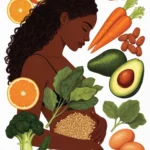
Biotin, also known as vitamin B7, is a key player in stimulating the production of keratin, promoting increased follicle growth. While biotin deficiencies are rare, it is found in abundance in eggs, meat, fish, nuts, sweet potatoes, and seeds.
Recommended Daily Intake: Up to 900 mcg for men, 700 mcg for women
Vitamin A fuels the growth of hair cells, producing sebum that moisturizes the scalp and keeps hair follicles healthy. Beta-carotene-rich foods like sweet potatoes, pumpkin, carrots, spinach, and kale are excellent sources.
Recommended Daily Intake: Up to 90 mg per day for adult men, 75 mg for adult women
Addressing oxidative stress, a major contributor to hair loss, vitamin C balances free radicals, aiding in collagen production and iron absorption. Citrus fruits, peppers, strawberries, tomatoes, and guavas are excellent sources.
Possessing antioxidant prowess, vitamin E combats oxidative stress and has shown effectiveness in treating hair loss. Sources include sunflower seeds, spinach, avocados, and almonds.
Notable Others in the Hair Growth Arsenal
In addition to the top five, certain nutrients play crucial roles in maintaining healthy locks:
Iron
Recommended Daily Intake: 45 mg
Iron fuels hemoglobin production, aiding in oxygen distribution for cell repair and growth. Sources include eggs, red meat, lentils, spinach, oysters, and clams.
Zinc
Recommended Daily Intake: 11 mg for men, 8 mg for women
Zinc promotes hair growth and maintains oil gland function. Sources include beef, spinach, wheat germ, pumpkin seeds, oysters, and lentils.
Tips and Recommendations
Consistent Intake: Incorporate a variety of vitamin-rich foods into your daily diet for sustained benefits.
Consultation: If experiencing significant hair loss, consult with a healthcare professional to identify underlying causes and create a personalized plan.
Patience is Key: Hair supplements take time to show results; be patient and consistent in your approach.
Conclusion: Nourishing Your Tresses
While vitamins play a crucial role in restoring and maintaining healthy hair, they are not universal solutions. Understanding the root cause of hair loss and consulting with a healthcare professional is paramount. Embrace a holistic approach to hair care, considering factors such as diet, genetics, and lifestyle. Nurture your tresses, and let the vibrant health of your hair become a reflection of your overall well-being.