Top 10 Aloe Vera Exporting Countries Globally (Updated 2026)
0
(0)
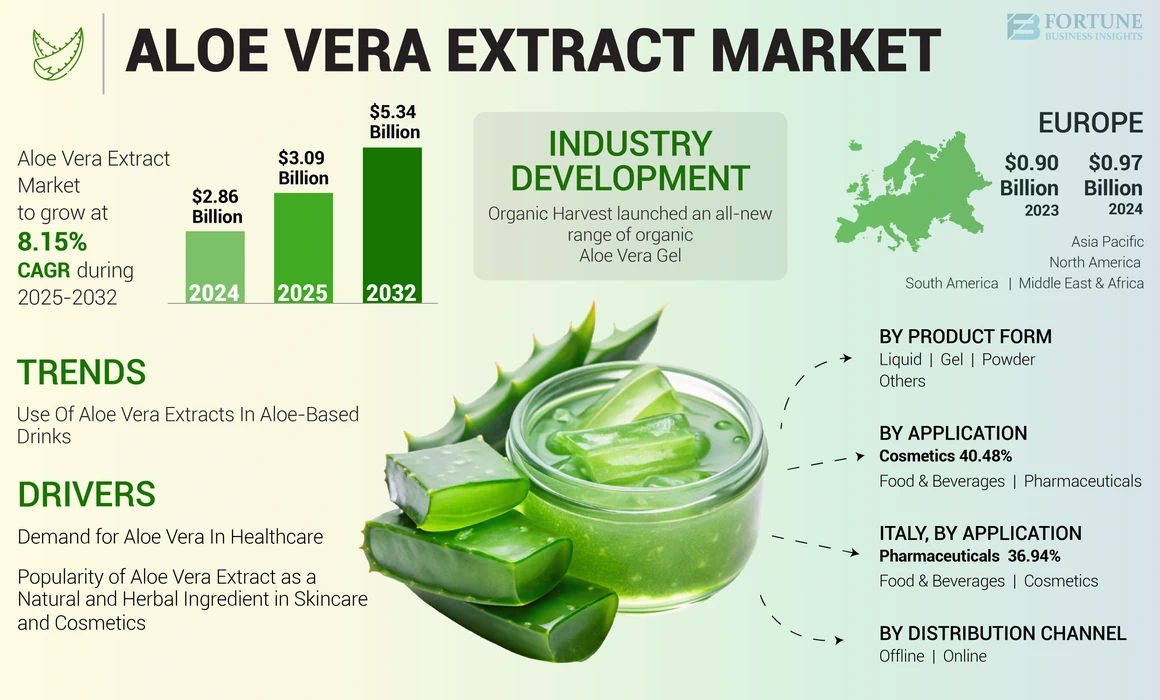
Have you ever pondered the reasons behind aloe vera’s escalating popularity across the globe, especially owing to its versatile applications in skincare, health supplements, and beverages that harness its soothing and healing properties? This succulent plant, renowned for its gel-filled leaves, has seen demand soar due to growing consumer preference for natural ingredients that promote hydration, reduce inflammation, and support digestive health. Market analyses project the global aloe vera industry to exceed $1 billion by 2026, driven by its integration into cosmetics and pharmaceuticals. Its nutritional profile, rich in vitamins and antioxidants, further amplifies its appeal in wellness products. As we assess the principal exporters with statistics refreshed for 2026, these nations are instrumental in fulfilling worldwide requirements through efficient production and trade networks.
1. China
China leads as the foremost aloe vera exporter globally in 2026, with projected export values surpassing $950 million, capturing over 30 percent of the international market based on 2024 figures adjusted for growth trends. Extensive plantations in southern provinces like Guangdong support massive cultivation, employing advanced irrigation for high yields. Government subsidies promote organic farming, ensuring compliance with global standards for processed gels and powders. The industry generates substantial revenue, fostering employment in rural areas and boosting foreign exchange. As a premier supplier, China’s aloe vera is esteemed for its consistency, positioning it among the best sources for bulk industrial needs.
2. India
India ranks second among top aloe vera exporting countries in 2026, contributing approximately $470 million in exports and holding about 15 percent of the global share from updated trade projections. Regions such as Rajasthan and Gujarat host thriving farms, where sustainable practices yield high-quality raw materials. Export initiatives focus on value-added products like extracts, meeting demand in Europe and North America. Economic impacts include empowering small farmers through cooperatives, with earnings exceeding $400 million annually. Recognized as one of the superior origins, India’s aloe vera stands out for its purity, making it one of the best options for natural cosmetics.
3. Mexico
Mexico secures the third position in global aloe vera exports for 2026, with volumes estimated at 50,000 metric tons valued at around $300 million, representing 10 percent of the market per statistical analyses. The Yucatan Peninsula provides ideal arid conditions for cultivation, integrating modern techniques to enhance gel extraction efficiency. Trade agreements with the US facilitate seamless exports, emphasizing certified organic varieties. The sector supports local economies, creating jobs in processing and logistics. As a leading exporter, Mexico’s aloe vera is favored for its potent bioactive content, among the best for beverage applications.
4. Germany
Germany holds the fourth spot among leading aloe vera exporting nations in 2026, re-exporting products worth about $230 million and accounting for 7 percent of worldwide supplies based on recent data. As a key European hub, it processes imported raw aloe into refined items for distribution across the continent. Strict quality controls align with EU regulations, focusing on pharmaceutical-grade extracts. Revenue streams bolster trade balances, supporting innovation in health products. Esteemed as a top re-exporter, Germany’s contributions ensure accessibility, positioning it as one of the elite channels for premium goods.
Egypt claims the fifth rank in aloe vera exports worldwide for 2026, with values nearing $180 million comprising 6 percent of the total, according to trade insights. Nile Valley farms benefit from fertile soils, enabling large-scale production of leaves and gels. Partnerships with Middle Eastern buyers drive growth, with emphasis on halal-certified products. The industry generates around $150 million yearly, aiding agricultural diversification. As an elite source, Egypt’s aloe vera is renowned for its therapeutic qualities, making it one of the superior choices for medicinal uses.
6. United States
United States is sixth on the list of top aloe vera exporters in 2026, supplying approximately $135 million in value and holding 4 percent of global exports from projected figures. California and Texas host specialized plantations, utilizing technology for sustainable harvesting. Domestic processing caters to North American demand, with exports targeting Asia. Economic benefits include job creation in biotech, yielding substantial returns. Positioned as a foremost producer, the United States’ aloe vera excels in innovation, among the best for supplement formulations.
7. Canada
Canada occupies the seventh place among premier aloe vera exporting countries in 2026, with exports of about $122 million representing 4 percent of the world total per updated reports. Greenhouse cultivation in British Columbia ensures year-round supply, focusing on high-purity gels. Trade pacts enhance market access, emphasizing eco-friendly practices. The sector contributes over $100 million to the economy, promoting research. As a leading North American exporter, Canada’s aloe vera is prized for its quality, one of the best for skincare lines.
8. Poland
Poland ranks eighth in global aloe vera exports for 2026, producing around $121 million in value and accounting for 4 percent of the market share based on statistical trends. Central European climates support controlled farming, with investments in extraction facilities. Exports target Eastern Europe, with certifications boosting credibility. Earnings reach about $100 million, supporting agribusiness growth. This nation stands as one of the superior re-exporters, with aloe vera noted for its versatility.
9. Spain
Spain is ninth among the top aloe vera exporting nations in 2026, with $105 million in exports comprising 3 percent of the global total from trade data. Canary Islands provide optimal conditions for organic growth, attracting tourists to farms. Focus on Mediterranean markets emphasizes fresh leaves and juices. The industry yields significant revenue, fostering sustainability. As an elite European source, Spain’s aloe vera distinguishes itself with freshness, among the best for culinary integrations.
Vietnam rounds out the top 10 aloe vera exporters globally in 2026, exporting roughly $90 million and sharing 3 percent of the market according to projections. Mekong Delta regions facilitate expansion, incorporating efficient processing for powders. Export strategies target Southeast Asia, with growth in semi-processed goods. Annual income surpasses $80 million, aiding rural development. Positioned as a leading emerging exporter, Vietnam’s aloe vera offers competitive pricing, among the best for value.
Use of Aloe Vera
Skincare routines incorporate aloe vera for its moisturizing effects, helping to soothe sunburns and improve skin elasticity in lotions and gels.
Health supplements utilize aloe vera’s anti-inflammatory compounds to aid digestion and boost immunity in capsules and juices.
Beverage industry blends aloe vera into drinks for its refreshing taste and potential detox benefits, popular in functional waters.
Hair care products employ aloe vera to nourish scalps and reduce dandruff, enhancing shine and strength in shampoos.
Medicinal treatments apply aloe vera topically for wound healing and orally for managing blood sugar levels.
Food sector adds aloe vera to yogurts and desserts for texture and nutritional enhancement.
Agricultural practices use aloe vera extracts as natural pesticides and soil conditioners.
Conclusion
The worldwide aloe vera export landscape in 2026 illustrates the ascendancy of Asian and North American nations, where favorable environments and innovations sustain supply to address increasing demand for this adaptable plant. Principal exporters such as China and India establish criteria for quality and scale, impacting market values and directions. With the industry forecasted to grow beyond $1.2 billion, these countries secure provision for diverse uses in health and beauty. Obstacles like water scarcity necessitate adaptive measures for continued progress. Altogether, these top aloe vera exporting countries not only advance economic gains but also elevate wellness advantages internationally.