Fueling Africa’s Growth: Top 5 Largest Oil Refineries on the Continent
0
(0)
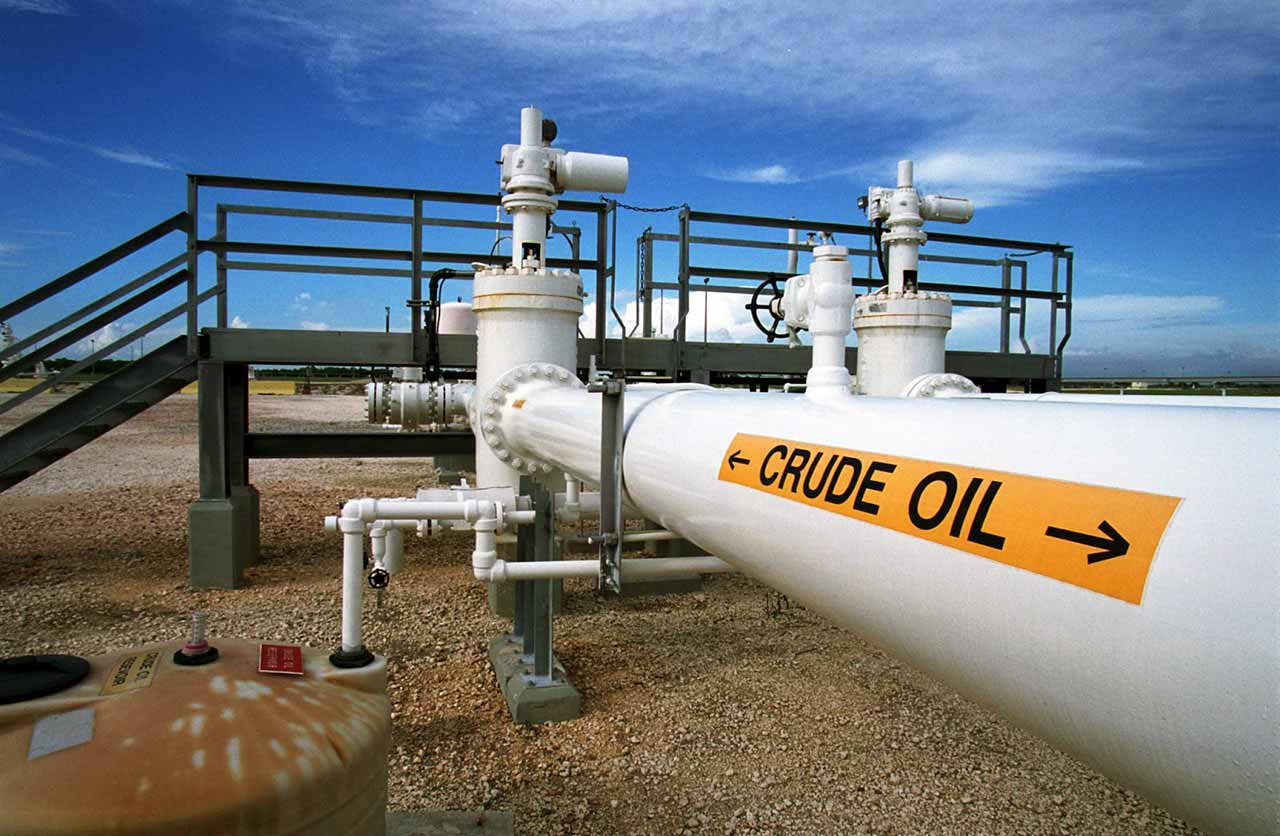
Africa, a continent brimming with potential, has long relied on imported fuel to power its economies and transportation sectors. However, a shift is underway with the rise of several mega-refineries across the continent, promising greater energy independence and economic diversification. Let’s delve into the top 5 largest oil refineries in Africa, fueling the continent’s growth and shaping its energy landscape.
1. Dangote Refinery, Nigeria
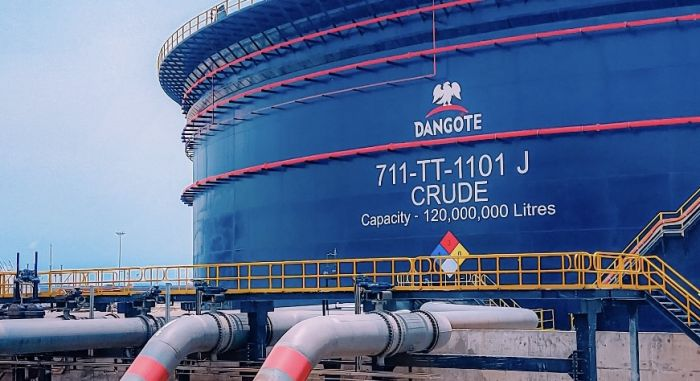
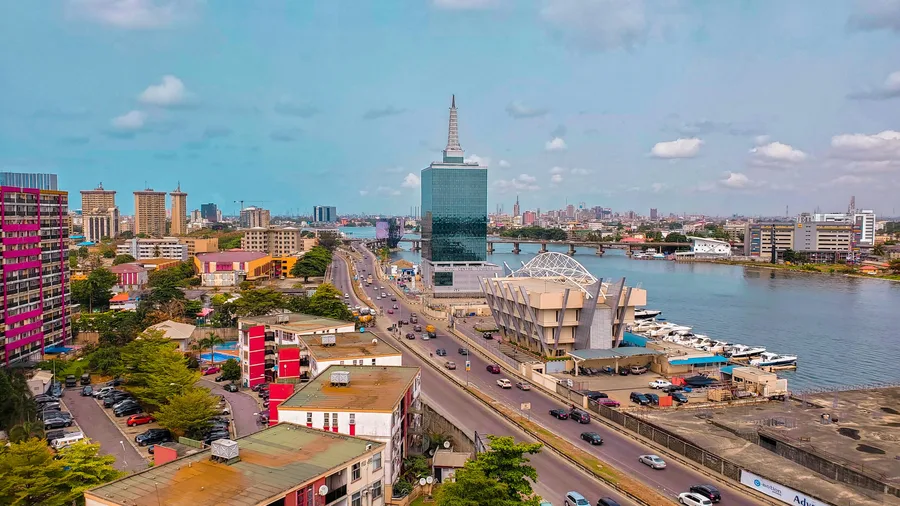
At the undisputed helm stands the Dangote Refinery in Lekki, Nigeria. This behemoth, with a nameplate capacity of 650,000 barrels per day (bpd), is not just Africa’s largest refinery, but also the single-train largest anywhere in the world. Launched in 2023, it already accounts for nearly a third of Nigeria’s refining capacity, transforming the nation from a net importer to a potential exporter of petroleum products. (Source: Africa Oil & Gas Report, August 2023)
Algeria’s Skikda Refinery boasts a rich history dating back to 1962 and remains a vital cog in the nation’s energy sector. With a capacity of 356,500 bpd, it primarily processes Algerian crude oil into gasoline, diesel, and other refined products, feeding the country’s domestic demand and contributing to exports. (Source: Or Noir Africa, June 2023)
Once Nigeria’s premier refinery, the Port Harcourt facility in Rivers State underwent years of rehabilitation and expansion, culminating in a current capacity of 210,000 bpd. This resurgence signifies a crucial step towards Nigeria’s goal of self-sufficiency in refined petroleum products and reducing dependence on imports. (Source: Nigerian National Petroleum Corporation, January 2024)
A testament to regional cooperation, the SAPREF Refinery in Durban, South Africa, is a joint venture between Shell and BP. With a capacity of 180,000 bpd, it primarily refines crude oil from Angola and caters to South Africa’s domestic fuel needs, playing a vital role in the country’s energy security. (Source: SAPREF website, December 2023)
Egypt’s Alexandria MIDOR Refinery, with a capacity of 160,000 bpd, plays a critical role in supplying fuel to the country’s densely populated north. Processing both Egyptian and imported crude, it produces gasoline, diesel, and other refined products, contributing to Egypt’s quest for energy independence and industrial development. (Source: Egyptian Refining Company website, November 2023)
Hassi Messaoud Refinery, Algeria (100,000 bpd): Under construction, expected to boost Algerian refining capacity.
A Fueling Future for Africa
The emergence of these mega-refineries marks a pivotal moment for Africa’s energy landscape. By reducing reliance on imported fuel, these facilities offer the potential for:
Enhanced energy security: Less dependence on volatile global oil markets.
Economic diversification: Creating jobs and industries within the petrochemical value chain.
Increased regional trade: Potential for refined product exports within Africa.
Of course, challenges remain. Ensuring efficient operations, minimizing environmental impact, and creating transparent governance structures are crucial for these refineries to truly fulfill their potential.