Best 10 Nigerian Soups and Stews Ranked by Calorie and Nutrient Density
See the best 10 Nigerian soups and stews ranked by calorie and nutrient density, including Efo Riro, Okro, Ewedu, Edikang Ikong, Pepper Soup, and local food links.
0
(0)
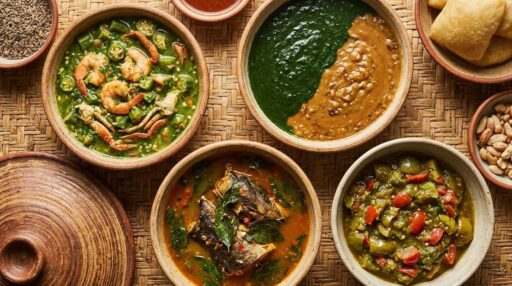
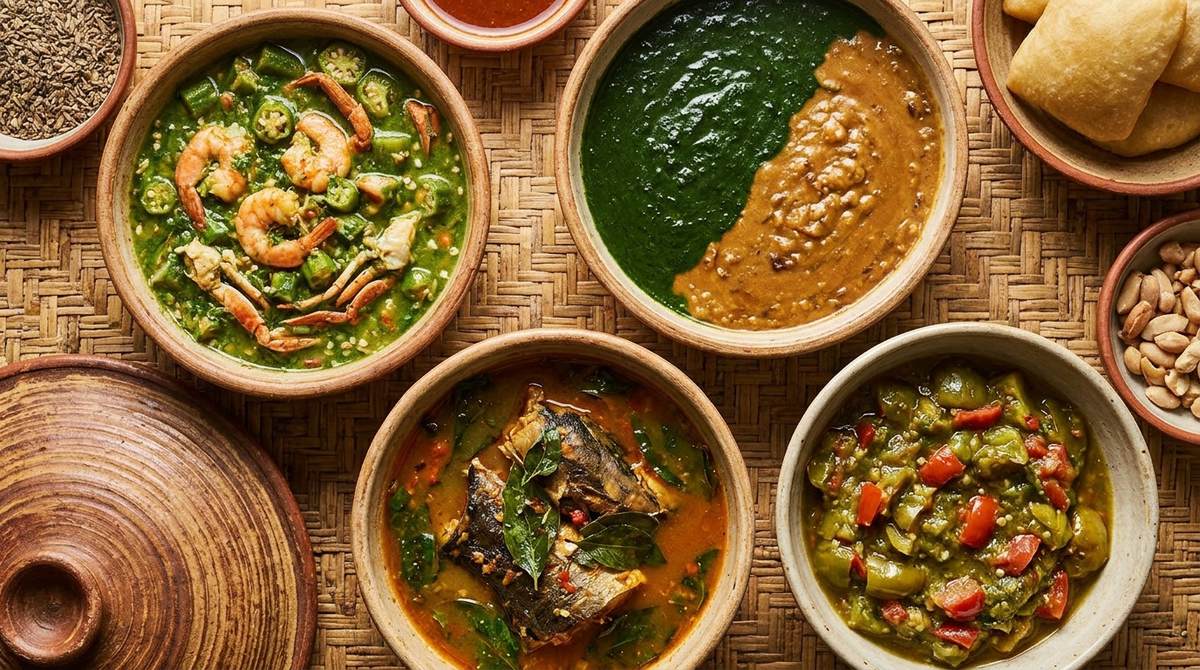
Soups and stews form the nutritional heart of Nigerian dining, delivering concentrated leafy greens, marine proteins, aromatic spices, and healthy fats in every bowl. However, calorie density varies dramatically between a light, mucilaginous okra pot and an oil-rich melon seed or palm-nut stew, making smart soup selection critical for body-composition goals. When you understand how each traditional pot scores on micronutrients, protein retention, and cooking oil load, you can enjoy generous ladles without stalling fat loss. Below, we rank the best 10 Nigerian soups and stews by calorie and nutrient density, linking each selection to a premier Nigerian grocery, recipe, or meal-delivery platform.
1. Fresh Okro Soup (Ila Alasepo) with Fish and Prawns
Freshly chopped okro simmered with locust beans, smoked prawns, crab, and grilled croaker ranks first for combining ultra-low calorie density with exceptional soluble fiber. A generous two-ladle serving contains roughly 190 to 240 calories while supplying folate, vitamin K, magnesium, and gut-soothing mucilage. Because okro thickens naturally without heavy oils or ground seeds, you enjoy massive bowl volume and long-lasting fullness. Diners who appreciate clean, low-calorie Nigerian vegetable and seafood bowls can also explore daily options at So Fresh Nigeria. This leading soup supports effortless calorie control alongside any small swallow portion.
2. Ewedu and Gbegiri Duo with Lean Beef or Grilled Fish
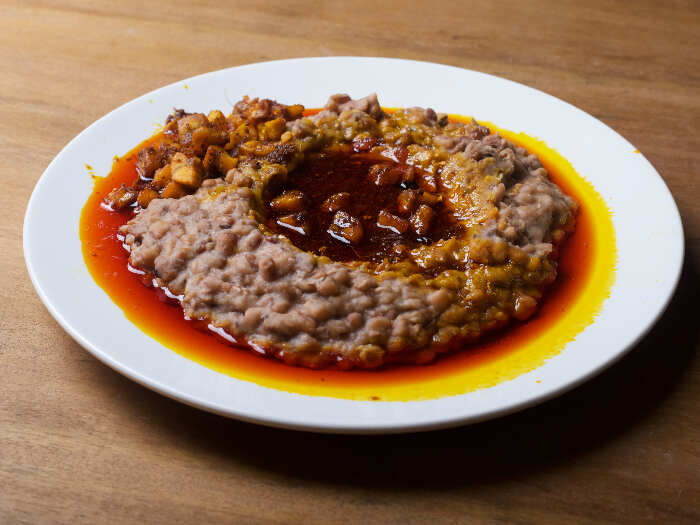
Jute leaf soup (ewedu) paired with a measured scoop of peeled-bean gbegiri delivers an outstanding balance of plant protein, iron, beta-carotene, and antioxidants. Ewedu itself adds fewer than 65 calories per ladle while providing silky texture that makes smaller portions of amala or oat swallow feel deeply satisfying. When cooked with minimal palm oil and topped with lean stewed beef or mackerel, the combined duo lands comfortably around 310 calories per bowl. Fresh jute leaves, peeled honey beans, and iru can be ordered straight from farm suppliers via Pricepally. It remains one of the finest nutrient-to-calorie pairings in West African cuisine.
3. Classic Nigerian Goat Meat or Catfish Pepper Soup
Water-based pepper soup infused with calabash nutmeg, uda pods, uziza leaves, and scent leaf delivers maximum warming flavor with virtually zero added cooking fat. A full bowl built around fresh point-and-kill catfish or lean goat cuts provides 32 to 38 grams of protein for under 300 calories. Traditional warming spices stimulate circulation and digestion while keeping sodium-and-oil bloat to a minimum. Hot, freshly prepared catfish and goat pepper soup bowls are readily available for fast delivery via Chowdeck. This standout broth is an ultimate evening meal when daily calorie margins are tight.
4. Light-Oil Efo Riro (Lagos Spinach and Ugu Stew)
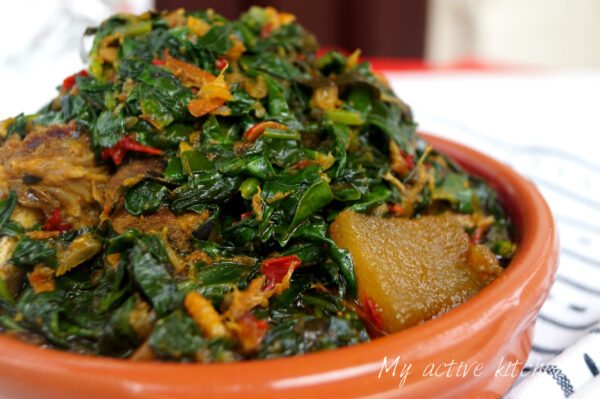
Efo Riro prepared with blanched shoko or ugu greens, blended tatashe peppers, locust beans, stockfish, and skinless turkey packs dense vitamins A, C, and E alongside high iron. Capping red palm oil at two tablespoons for a family-sized pot preserves authentic richness while keeping each serving near 280 calories. The abundant leafy fiber slows digestion and pairs seamlessly with boiled plantain, yam, or oat swallow. Freshly washed greens, dried stockfish, and crayfish are easy to stock online through Supermart Nigeria. It stands as a premier all-purpose soup for active Nigerian households.
Hailing from Cross River and Akwa Ibom states, Edikang Ikong combines waterleaf and fluted pumpkin leaves with periwinkles, dried fish, and lean meats for extraordinary mineral density. Waterleaf contributes high moisture and potassium that naturally lower calorie density per spoonful while keeping the greens tender. Using just enough palm oil to coat the leaves rather than float on top turns this royal soup into a 330-calorie nutritional powerhouse. Busy professionals craving authentic Southern Nigerian soups without hours of leaf-chopping can order chef-cooked meals from Eden Life. This superior vegetable pot supports immunity, recovery, and sustained satiety.
6. Oha Soup (Ora Leaves) Thickened with Cocoyam
Traditional Eastern Nigerian Oha soup uses tender ora leaves, uziza, fermented ogiri, and boiled cocoyam paste to create a velvety, comforting bowl. Cocoyam acts as a low-fat, high-fiber natural thickener that replaces heavy oils while supplying slow-release complex carbohydrates and potassium. Loaded with stockfish and lean beef chunks, one serving averages around 350 calories with robust micronutrient variety. Fresh cocoyam tubers, stockfish, and soup seasonings are regularly stocked across Shoprite Nigeria outlets. It offers a top regional option for balanced family lunches.
7. Garden Egg Stew (Ofe Anara / Igba Stew)
Simmering mashed green garden eggs with blended tomatoes, scotch bonnet, smoked mackerel, and a measured spoon of palm oil produces a rich, chunky stew with remarkably few calories. Garden eggs are over 90 percent water and rich in dietary fiber, giving the stew hearty body for roughly 240 calories per generous portion. This versatile sauce works equally well over boiled white yam, unripe plantain, or brown rice. Fresh local stews and boiled yam platters from neighborhood kitchens can also be ordered quickly on Glovo Nigeria. It is an exceptional choice for anyone cutting calories without sacrificing rich stew texture.
8. Ogbono Soup with Okro and Assorted Lean Seafood
Ground African bush mango seeds (ogbono) create an iconic draw soup rich in soluble fiber that helps regulate cholesterol and post-meal blood sugar. Because ogbono seeds are naturally rich in healthy fats, blending half ogbono with half chopped okro cuts total calories by 35 percent while enhancing the signature draw. Adding prawns, snail, and smoked panla fish boosts lean protein without adding excess saturated fat. Cleanly milled ogbono powder and spice grinders for fresh home blending are widely available on Jumia Nigeria. This prime hybrid pot lets draw-soup lovers enjoy their favorite meal every week.
9. Oil-Reduced Ayamase (Designer Green Pepper Stew)
Traditional Ayamase gets its unforgettable aroma from bleached palm oil, green bell peppers, scotch bonnets, iru, and assorted meats, though restaurant versions often swim in excess oil. Preparing Ayamase at home with a strict two-tablespoon oil limit and roasting the green peppers beforehand retains every bit of smoky depth for under 370 calories per serving. Using lean beef cubes, boiled eggs, and trimmed gizzard keeps protein high while trimming saturated fat. Heavy-bottomed non-stick pots and high-speed pepper blenders can be ordered conveniently through Konga. Paired with a fist-sized portion of Ofada rice, this standout stew becomes a disciplined weekend treat.
10. Light-Oil Egusi Soup with Abundant Bitterleaf or Ugu
Melon seed (egusi) soup is nutrient-rich—packed with magnesium, zinc, and plant protein—but ranks tenth solely because its dense healthy fats require careful portion control. Toasting ground egusi in hot stock rather than frying it in pools of palm oil, and doubling the ratio of washed bitterleaf or ugu, lowers calories to roughly 410 per ladle. Step-by-step light-oil techniques and authentic Nigerian soup variations are detailed on culinary resources like Nigerian Food TV. Enjoying one measured ladle alongside cabbage or oat swallow satisfies traditional cravings while protecting fat-loss progress.
How Cooking Oil Choices Change Every Nigerian Soup Score
Across all ten soups in this ranking, the single biggest factor separating a 250-calorie fat-loss meal from a 750-calorie surplus is how much palm oil or vegetable oil enters the pot. Every extra cooking spoon of oil adds roughly 350 calories without adding protein, fiber, or extra fullness, so measuring oil with a standard tablespoon transforms your nutrition immediately. Relying on blended tatashe peppers, crayfish, iru, and stock reduction builds deep color and umami richness naturally.
Conclusion
Ranking Nigerian soups by calorie and nutrient density empowers you to enjoy traditional meals confidently while steering clear of hidden oil traps. By prioritizing water-based and vegetable-dense pots like okro, ewedu, pepper soup, and light-oil efo riro—and keeping palm oil measured in richer favorites like egusi—you fuel both health and body composition. Cook a batch of your top pick this week and experience how effortless sustainable nutrition can taste.
As a journalist, Lydia Imasuen covers health, lifestyle, and food with clarity and depth. Her writing explores wellness, nutrition, and modern living in a way that resonates with diverse audiences. She is passionate about sharing credible information through compelling stories. Lydia’s work reflects a commitment to quality journalism.