Best 10 Local Nigerian Fruits and Superfoods for Immunity and Energy
Discover the best 10 local Nigerian fruits and superfoods for immunity and energy, including tiger nuts, agbalumo, soursop, baobab, pawpaw, and local produce platforms.
0
(0)
Nigeria’s diverse ecological zones—from lush southern rainforests to sun-drenched northern savannas—produce an extraordinary abundance of indigenous fruits, seeds, and botanical superfoods. Packed with vitamin C, prebiotic fibers, polyphenols, and natural electrolytes, these local treasures strengthen immune defenses and sustain steady daytime energy far better than expensive imported supplements or sugary energy drinks. Adding seasonal Nigerian fruits and superfoods to your weekly shopping basket supports gut health, glowing skin, and sharper focus on an everyday budget. Below, we rank the best 10 local Nigerian fruits and superfoods for immunity and energy, linking each pick to a leading Nigerian farm, grocery, or wellness platform.
1. Tiger Nuts (Ofio / Aya)
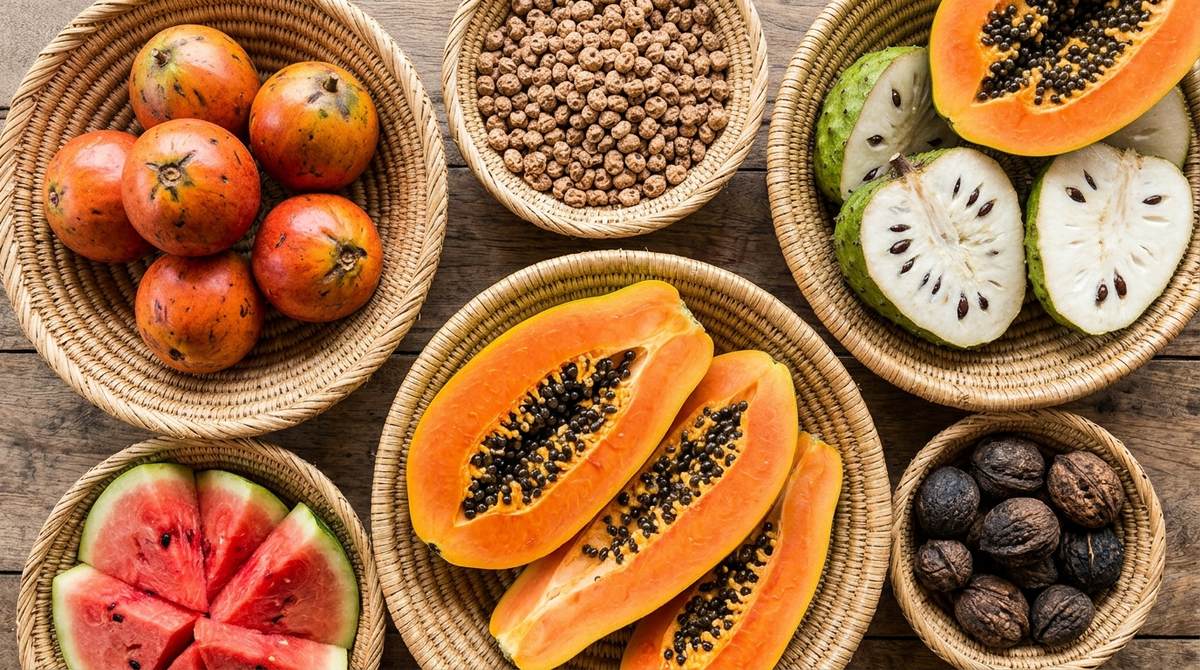
Despite their name, tiger nuts are nutrient-dense root tubers celebrated across Nigeria for their creamy sweetness, resistant starch, and high levels of potassium, iron, and vitamin E. The prebiotic fiber in tiger nuts feeds beneficial gut bacteria, directly strengthening immune signaling and smoothing digestion. Whether chewed raw as a crunchy snack or blended with dates and ginger into fresh kunun aya, tiger nuts provide slow-burning energy without caffeine jitters. Health-conscious consumers seeking clean, locally inspired botanical drinks can also explore Wilson’s Juice Company. Tiger nuts stand as Nigeria’s finest all-around functional superfood.
2. African Star Apple (Agbalumo / Udara)
Beloved during its peak dry-season harvest, tangy-sweet agbalumo delivers an impressive burst of vitamin C, calcium, and soluble fiber for fewer than 70 calories per fruit. Its natural antioxidants help protect cells from oxidative stress while its chewy, low-glycemic pulp satisfies sweet cravings cleanly. Agbalumo’s pleasant tartness also stimulates saliva and eases mild throat irritation or afternoon sluggishness naturally. Seasonal baskets of fresh farm produce and local fruits can be ordered conveniently via Pricepally. This leading seasonal gem is a must-buy whenever baskets appear in local markets.
3. Baobab Fruit Powder (Kuka Fruit Pulp)
Harvested from iconic baobab trees across Northern Nigeria, tangy baobab fruit pulp packs nearly six times the vitamin C of oranges alongside abundant prebiotic pectin fiber and potassium. Stirring a tablespoon of dry baobab powder into cold water, yogurt, or morning oats delivers an instant, zesty micronutrient boost for immune resilience. Its high polyphenol content also helps slow carbohydrate digestion, keeping daytime energy steady without crashes. Packaged Nigerian baobab powder and wholesome pantry staples are readily available on Supermart Nigeria. It remains a premier ancestral superfood with effortless modern convenience.
4. Soursop (Shawashop)
Spiky green soursop conceals fragrant, creamy white flesh rich in vitamin C, B vitamins, magnesium, and acetogenin plant compounds that support cellular protection and hydration. Enjoying chilled soursop segments or blending the pulp with lime and cold water creates a deeply refreshing tropical smoothie without added sugar. Its high water and electrolyte profile restores vitality quickly during hot afternoon weather. Fresh fruit bowls and cold-pressed tropical blends can also be enjoyed through So Fresh Nigeria. Soursop offers an exceptional blend of indulgent texture and immune-supporting nutrition.
5. Ripe Nigerian Pawpaw (Papaya)
Available year-round across Nigerian markets, vibrant orange pawpaw is loaded with vitamin A, vitamin C, folate, and papain—a natural digestive enzyme that helps break down dietary proteins smoothly. Starting your morning with a bowl of diced pawpaw squeezed with fresh lime wakes up digestion and supports immune barrier health. Low in calories yet rich in water and fiber, pawpaw keeps morning meals light, hydrating, and energizing. Freshly cut and whole pawpaws are consistently stocked across Shoprite Nigeria produce aisles. It is a superior everyday breakfast fruit for active adults and families alike.
While most Nigerians prize the inner seed for draw soup, the juicy yellow outer flesh of the ugiri fruit is packed with vitamin C, carotenoids, and soluble fiber. Eating the fresh fibrous fruit during harvest season supports gut motility, healthy cholesterol metabolism, and sustained afternoon energy. Its bright mango-citrus flavor makes it a refreshing natural snack straight from local orchards. Culinary insights into indigenous Nigerian fruits and traditional ingredients are highlighted on Nigerian Food TV. This standout native fruit rewards anyone exploring beyond standard supermarket imports.
7. Guava (Gova)
Crisp pink or white Nigerian guavas rank among the highest vitamin-C fruits on the planet, delivering over double your daily requirement in a single medium fruit. Eating guava whole with its edible seeds provides dense insoluble fiber, lycopene, and potassium that support heart health and steady blood sugar. Because guava is naturally low in sugar compared to many tropical fruits, it energizes without causing post-snack fatigue. Fresh fruit packs and healthy grocery essentials can be delivered straight to your door via Glovo Nigeria. It is an ultimate portable immunity booster for busy workdays.
8. Nigerian Watermelon With Seeds
Juicy red watermelon grown across Northern Nigeria is over 91 percent water and rich in L-citrulline, an amino acid that supports healthy blood flow and reduces post-exercise muscle soreness. Pairing watermelon cubes with a pinch of sea salt or a handful of roasted groundnuts creates an ideal tropical electrolyte snack. Its lycopene and vitamin A content also protect skin and immune cells from intense sun exposure. Chilled fruit platters and refreshing healthy bowls are easy to order across major cities on Chowdeck. Watermelon delivers instant hydration whenever tropical heat peaks.
9. African Walnut (Asala / Ukpa)
Boiled Nigerian walnuts sold in markets across the South-West and South-East pack plant-based omega-3 fatty acids, polyphenols, magnesium, and protein into a savory, satisfying snack. Unlike sugary snacks, asala fuels sustained brain focus and steady energy through long afternoon work sessions. Their distinct earthy crunch pairs wonderfully with fresh fruit or afternoon herbal tea. Airtight snack jars and healthy Nigerian pantry items are widely available on Jumia Nigeria. This prime traditional nut supports both cognitive sharpness and immune balance.
10. Fresh Nigerian Avocado (Pear)
Creamy Nigerian avocados grown in the Middle Belt and Southern states supply heart-healthy monounsaturated fats, potassium, folate, and fat-soluble vitamins E and K. Adding sliced avocado to boiled yam, egg sauce, or chicken salads dramatically increases absorption of fat-soluble antioxidants from surrounding vegetables. Its combination of healthy fats and fiber delivers hours of calm, steady energy without blood-sugar dips. Balanced, nutrient-rich Nigerian meals incorporating fresh produce can also be scheduled through Eden Life. This top native superfood elevates both nutrition and meal satisfaction effortlessly.
How to Pair Local Fruits for Steady Energy Without Sugar Spikes
While whole Nigerian fruits contain natural fiber that slows sugar absorption, pairing sweeter fruits like pawpaw, watermelon, or soursop with a small source of protein or healthy fat makes energy last even longer. Combine diced fruit with plain Greek yogurt, a handful of Nigerian walnuts (asala), or roasted groundnuts so blood glucose rises gently and stays stable for hours. Eating whole fruits rather than strained fruit juices ensures you keep every gram of gut-friendly fiber intact.
Washing and Storing Fresh Nigerian Produce Safely
Because open-air market transport can leave dust or microbes on fruit skins, washing produce thoroughly before slicing protects digestive health. Rinse whole fruits like guava, pawpaw, agbalumo, and watermelon under clean running water—or soak briefly in a mild salt-or-vinegar water rinse—before cutting with a clean knife. Store cut fruit in sealed glass containers in the coldest part of your refrigerator and enjoy within two days for peak vitamin C potency.
Seasonal Nigerian Fruit Calendar for Peak Freshness and Value
Shopping in alignment with Nigeria’s natural harvest seasons ensures you get peak vitamin density, sweeter flavor, and the lowest market prices throughout the year. Dry-season months bring abundant African star apple (agbalumo), sweet oranges, and tiger nuts, while rainy-season harvests deliver lush soursop, Nigerian avocados, garden eggs, and fresh corn. Staples like pawpaw, watermelon, guava, and dried baobab fruit powder remain accessible nearly year-round across major markets. Following this top seasonal rhythm keeps your weekly fruit basket exciting and budget-friendly.
Creative Ways to Add Local Superfoods to Everyday Nigerian Meals
Beyond eating fresh fruit slices between meals, blending indigenous superfoods into familiar dishes multiplies micronutrient intake effortlessly for the whole family. Stir baobab powder or ground tiger nuts into morning oat porridge, toss diced Nigerian avocado and guava into grilled chicken salads, or serve boiled African walnuts alongside afternoon herbal tea. Blending soursop pulp with unsweetened tiger nut milk and a dash of ginger creates a creamy, nutrient-packed smoothie with zero refined sugar. These top culinary pairings showcase the best of Nigeria’s natural harvest at every meal.
Pros and Cons
Pros: Local Nigerian fruits and superfoods are far fresher, more affordable, and richer in seasonal micronutrients than imported produce that spends weeks in transit. They supply natural prebiotics, vitamin C, and electrolytes that strengthen immunity and sustain clean daytime energy. Cons: Seasonal favorites like agbalumo and fresh ugiri are only available during specific months of the year. Perishable tropical fruits like ripe pawpaw and soursop also ripen rapidly in warm kitchens if not refrigerated promptly.
Conclusion
Nigeria’s local markets and farms hold every vitamin, prebiotic fiber, and natural energy booster your body needs to thrive year-round. By rotating these top 10 local Nigerian fruits and superfoods—from tiger nuts, baobab powder, and agbalumo to guava, pawpaw, and African walnuts—you fortify your immune system while enjoying vibrant, affordable whole foods. Add two or three of these local powerhouses to your shopping list this week and feel the difference in your daily energy.
As a journalist, Lydia Imasuen covers health, lifestyle, and food with clarity and depth. Her writing explores wellness, nutrition, and modern living in a way that resonates with diverse audiences. She is passionate about sharing credible information through compelling stories. Lydia’s work reflects a commitment to quality journalism.