Nigeria’s Royalty: The Top 5 Most Influential Traditional Rulers Shaping Culture and Society
0
(0)
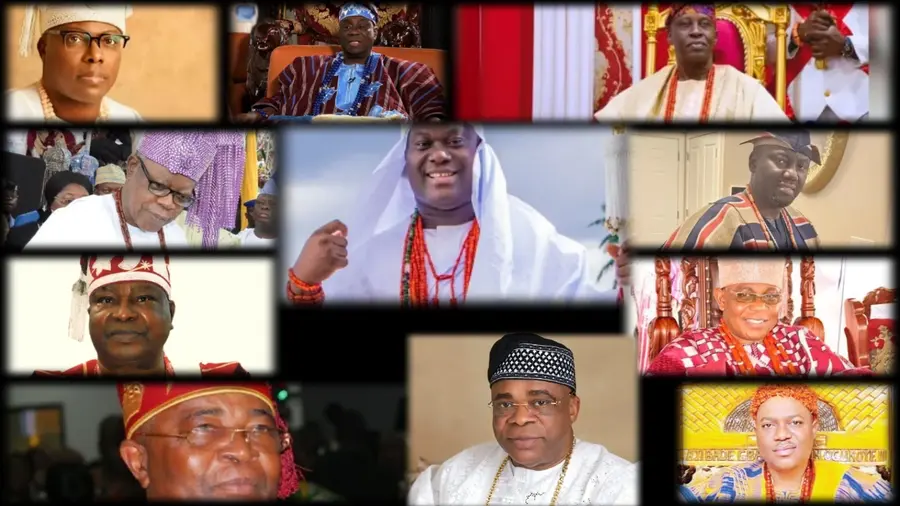
In the diverse tapestry of Nigeria’s cultural landscape, traditional monarchies play a pivotal role in preserving heritage, mediating disputes, and bridging the gap between ancient customs and modern governance. These revered institutions, deeply rooted in the country’s rich history, continue to exert significant influence on their communities and the nation at large. Here, we check out the most influential traditional monarchies in Nigeria, exploring their historical significance, cultural impact, and contemporary relevance. These powerful kings are among the most respected traditional rulers in the country, forming an integral part of Nigeria’s royal family.
1. Oba of Benin
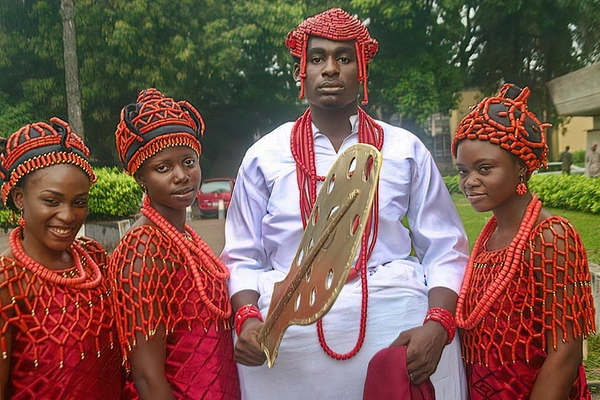
The king, known as Oba of Benin, Omo n’Oba N’Edo Uku Akpolokpolo, Ewuare II
The Oba of Benin, also known as the Omo N’Oba N’Edo Uku Akpolokpolo, stands as one of the most powerful and respected traditional rulers in Nigeria. The Benin monarchy, with its roots tracing back to the 13th century, has been a beacon of cultural preservation and historical continuity for the Edo people and beyond. Among the names of influential rulers in Nigeria, the Oba of Benin holds a place of particular prominence.
The current Oba, His Royal Majesty Oba Ewuare II, ascended the throne in 2016, continuing a lineage that has seen the Benin Kingdom through periods of great prosperity, colonialism, and into the modern era. The Oba’s influence extends far beyond the borders of Edo State, with his words and actions carrying significant weight in national discourse.
One of the most notable aspects of the Benin monarchy is its role in preserving and promoting Edo culture and art. The famous Benin bronzes, intricate metalwork sculptures that have gained worldwide recognition, are a testament to the kingdom’s rich artistic heritage. The Oba plays a crucial role in maintaining these traditions, overseeing important cultural festivals and rituals that keep the Edo identity alive.
In recent years, the Oba of Benin has been at the forefront of efforts to repatriate Benin artifacts from museums around the world, highlighting the monarchy’s continued relevance in addressing historical injustices and reclaiming cultural heritage. This advocacy has not only raised awareness about the importance of cultural restitution but has also strengthened the Oba’s position as a key voice in international cultural diplomacy.
2. Sultan of Sokoto
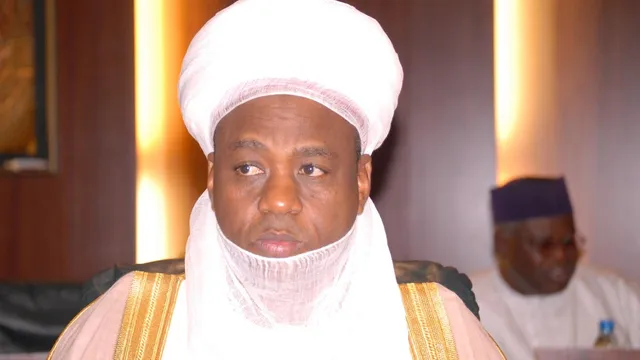
The Sultan of Sokoto holds a unique position in Nigeria as both a traditional ruler and the spiritual leader of the country’s Muslim population. This dual role makes the Sultan one of the most influential figures in Nigerian society, with his words and actions carrying significant weight in religious, social, and political spheres. In any list of prominent traditional rulers in Nigeria, the Sultan of Sokoto invariably occupies a top position.
The current Sultan, His Eminence Muhammad Sa’ad Abubakar III, ascended to the throne in 2006. As the 20th Sultan of Sokoto, he continues a lineage that traces its origins to the 19th-century Islamic reformer and founder of the Sokoto Caliphate, Usman dan Fodio. This historical connection lends the Sultan’s position a deep spiritual and cultural significance among Nigeria’s Muslim population.
The Sultan’s influence extends far beyond religious matters. As a respected voice of moderation and unity, the Sultan often plays a crucial role in national affairs, particularly in promoting interfaith dialogue and peace-building initiatives. His statements on social and political issues are widely reported and can shape public opinion and policy debates.
One of the key responsibilities of the Sultan is the announcement of important Islamic dates, such as the beginning and end of Ramadan. This role underscores the Sultan’s spiritual authority and his importance in the religious life of Nigerian Muslims. Additionally, the Sultan serves as the president-general of the Nigerian Supreme Council for Islamic Affairs (NSCIA), further cementing his position as the preeminent Islamic leader in the country.
The Sultan of Sokoto’s influence also extends to education and social welfare. The sultanate has been instrumental in promoting Islamic education and scholarship, maintaining a tradition of learning that dates back centuries. Furthermore, the Sultan often uses his platform to advocate for social causes, such as girls’ education and healthcare improvements, demonstrating the monarchy’s commitment to addressing contemporary challenges facing Nigerian society.
3. Ooni of Ife
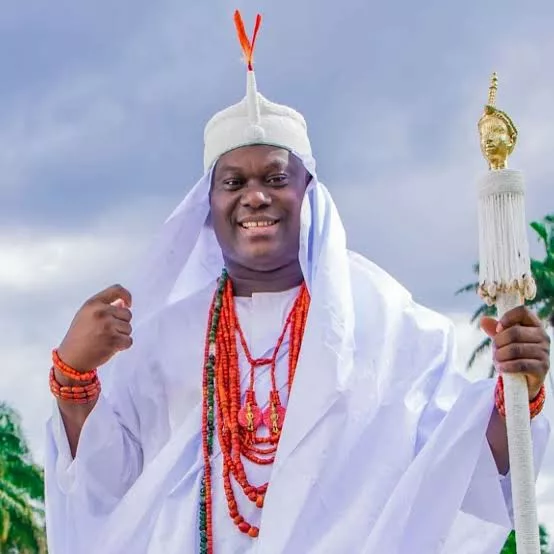
The Ooni of Ife, also known as the Arole Oodua, holds a position of paramount importance in Yoruba culture and tradition. As the traditional ruler of Ile-Ife, the city regarded as the cradle of Yoruba civilization, the Ooni is considered the direct descendant of Oduduwa, the mythical progenitor of the Yoruba people. The Ooni is undoubtedly one of the most revered monarchs in Nigeria, with a spiritual and cultural influence that extends far beyond his immediate domain.
The current Ooni, His Imperial Majesty Oba Adeyeye Enitan Ogunwusi, Ojaja II, ascended the throne in 2015. Since his coronation, he has been a dynamic force in promoting Yoruba culture, fostering unity among traditional rulers, and advocating for youth empowerment and economic development.
The Ooni’s influence extends far beyond the boundaries of Ile-Ife, reaching across the Yoruba-speaking regions of Nigeria and even to Yoruba communities in the diaspora. As a custodian of Yoruba traditions and spiritual practices, the Ooni plays a crucial role in preserving and promoting the rich cultural heritage of one of Africa’s largest ethnic groups.
One of the most significant aspects of the Ooni’s reign has been his efforts to unite various Yoruba monarchs and promote peace and cooperation among different ethnic groups in Nigeria. The Ooni has embarked on numerous goodwill visits to other traditional rulers across the country, emphasizing the importance of unity and mutual respect in Nigeria’s diverse cultural landscape.
The Ooni has also been a strong advocate for economic development and youth empowerment. He has initiated various projects aimed at promoting entrepreneurship, preserving traditional crafts, and creating opportunities for young people. These efforts demonstrate the monarchy’s adaptability and its commitment to addressing contemporary challenges while maintaining its cultural roots.
Furthermore, the Ooni has been active in promoting Yoruba culture on the global stage. Through international tours and cultural exchanges, he has worked to raise awareness about Yoruba heritage and foster connections with Yoruba communities around the world. This global outreach has not only elevated the profile of the Ooni but has also contributed to a renewed interest in African traditional institutions among younger generations.
4. Emir of Kano: A Blend of Tradition and Modernity
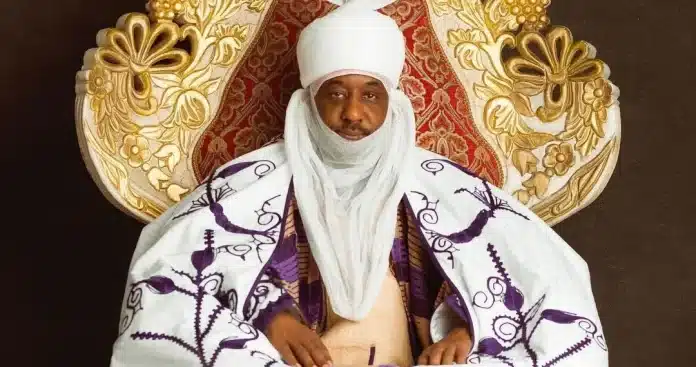
The Emirate of Kano, with its rich history dating back to the 15th century, stands as one of the most influential traditional institutions in northern Nigeria. The Emir of Kano, as the head of this historic emirate, wields significant influence not only in Kano State but across the entire northern region and beyond. In the pantheon of powerful kings in Nigeria, the Emir of Kano holds a place of great respect and authority.
The current Emir, Alhaji Aminu Ado Bayero, ascended to the throne in 2020, following a period of controversy and change in the emirate. His reign marks a new chapter in the history of this centuries-old institution, balancing the preservation of tradition with the demands of a rapidly modernizing society. His reign however came to a contestous end as the previous sacked Emir, Sanusi Lamido Sanusi was enthroned by the new governor of Kano State.
The Emir of Kano’s influence extends far beyond ceremonial duties. As a respected traditional ruler, the Emir plays a crucial role in maintaining social order, resolving disputes, and promoting cultural values. In a region where traditional authority still holds significant sway, the Emir’s words and actions can shape public opinion and influence policy decisions.
One of the key aspects of the Emir’s role is promoting education and social development. Kano, as one of Nigeria’s largest cities and a major economic hub, faces numerous challenges related to urbanization, population growth, and economic development. The Emir has been instrumental in advocating for improved education, healthcare, and economic opportunities for the people of Kano.
The Emirate of Kano has also been at the forefront of efforts to blend traditional governance with modern administrative structures. This has sometimes led to tensions with state authorities, highlighting the complex relationship between traditional institutions and contemporary governance in Nigeria. However, it also demonstrates the continued relevance and adaptability of these ancient monarchies in addressing modern challenges.
In recent years, the Emirate has taken steps to promote transparency and accountability, setting an example for other traditional institutions. This includes efforts to digitize historical records, improve financial management, and engage more actively with the public through social media and other modern communication channels.
The Emir of Kano’s influence also extends to matters of religious and cultural significance. As a prominent Islamic leader, the Emir plays a key role in religious affairs, often weighing in on important issues affecting the Muslim community. This spiritual leadership, combined with the Emir’s traditional authority, makes him a powerful voice in shaping social norms and values in northern Nigeria.
5. Alaafin of Oyo
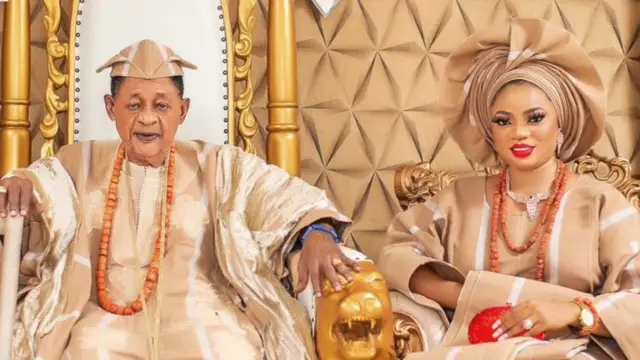
The Alaafin of Oyo holds a position of great historical and cultural significance in Yoruba tradition. As the ruler of the ancient Oyo Empire, which was once one of the largest and most influential states in West Africa, the Alaafin continues to be a symbol of Yoruba royal power and cultural continuity. The Alaafin is undoubtedly one of the most influential rulers in Nigeria, with a legacy that spans centuries.
The Alaafin’s influence extends across Yorubaland and beyond, with the title carrying immense respect and authority. The late Alaafin, Oba Lamidi Olayiwola Adeyemi III, who reigned for over 50 years until his passing in 2022, was known for his profound knowledge of Yoruba history and culture, and his efforts to preserve and promote Yoruba traditions.
One of the most significant aspects of the Alaafin’s role is the preservation of Yoruba oral history and traditions. The Alaafin is considered a living repository of Yoruba cultural knowledge, with a deep understanding of the intricate rituals, customs, and historical narratives that form the backbone of Yoruba identity. This role in cultural preservation is crucial in an era of rapid modernization and globalization.
The Alaafin also plays a vital role in the traditional political structure of Yorubaland. While no longer wielding the absolute power of pre-colonial times, the Alaafin remains a key figure in the council of Yoruba obas (kings) and is often consulted on matters of cultural significance and inter-community relations. This position allows the Alaafin to act as a mediator and unifying force among various Yoruba communities.
In recent years, the Alaafin’s palace has become an important center for cultural tourism, attracting visitors from around the world who are interested in learning about Yoruba history and traditions. This has not only helped to promote Yoruba culture globally but has also contributed to the local economy and the preservation of traditional arts and crafts.
The Alaafin’s influence also extends to contemporary social and political issues. The late Alaafin was known for his outspoken views on national issues, often advocating for the rights and interests of the Yoruba people within the broader context of Nigerian politics. This engagement with modern political discourse demonstrates the continued relevance of traditional institutions in shaping public opinion and policy.
Furthermore, the Alaafin plays a crucial role in the conferment of traditional titles, a practice that remains an important aspect of Yoruba social structure. These titles not only recognize individual achievements but also serve to reinforce traditional hierarchies and social bonds within the community. The succession of a new Alaafin, following traditional processes, is always a matter of great interest and importance, not just for the people of Oyo but for Yoruba people everywhere. The selection process, steeped in ancient customs and rituals, serves as a powerful reminder of the enduring nature of Yoruba traditional institutions.
Conclusion
The traditional monarchies of Nigeria, represented by these five influential institutions – the Oba of Benin, Sultan of Sokoto, Ooni of Ife, Emir of Kano, and Alaafin of Oyo – continue to play a vital role in the cultural, social, and even political landscape of the country. Their enduring influence is a testament to the deep-rooted respect for traditional authority that persists in Nigerian society, even in the face of modernization and changing governance structures.
These monarchies serve as bridges between Nigeria’s rich historical heritage and its contemporary realities. They act as custodians of cultural knowledge, mediators in local disputes, advocates for their communities, and symbols of ethnic and regional identity. In a nation as diverse as Nigeria, these traditional institutions often provide a sense of continuity and stability that complements the formal structures of the modern state.
However, it’s important to note that these five monarchies, while highly influential, are not the only significant traditional rulerships in Nigeria. Other notable traditional rulers include:
The Lamido of Adamawa: A prominent traditional ruler in northeastern Nigeria, known for his influence in Adamawa State and beyond.
The Obi of Onitsha: One of the most important Igbo traditional rulers, with significant influence in southeastern Nigeria.
The Emir of Zazzau: A historically significant emirate in northern Nigeria, based in Zaria, Kaduna State.
The Attah of Igala: The traditional ruler of the Igala people, with considerable influence in Kogi State and surrounding areas.
The Tor Tiv: The paramount ruler of the Tiv people, one of the largest ethnic groups in central Nigeria.
The Shehu of Borno: A historically significant ruler in northeastern Nigeria, with a lineage tracing back to the Kanem-Bornu Empire.
These and many other traditional rulers across Nigeria continue to play important roles in their respective communities, contributing to the rich tapestry of Nigeria’s cultural and traditional landscape.
As Nigeria continues to evolve as a modern nation-state, the role of these traditional monarchies is also adapting. Many of these rulers have embraced new technologies and social media to connect with younger generations and promote their cultural heritage to a global audience. They are increasingly involved in development initiatives, educational programs, and efforts to address contemporary challenges facing their communities.
The ongoing relevance of these traditional institutions also raises important questions about the intersection of traditional authority and modern democratic governance. As Nigeria grapples with issues of national unity, economic development, and social progress, the wisdom and influence of these traditional rulers may well continue to play a significant role in shaping the nation’s future.
In conclusion, the most influential traditional rulers in Nigeria, along with other notable traditional rulerships, represent a unique blend of historical continuity and contemporary relevance. Their ongoing influence in Nigerian society underscores the importance of understanding and appreciating the country’s rich cultural heritage as it moves forward into the future. These institutions serve as a reminder of the deep connections between past and present, tradition and modernity, that characterize Nigeria’s complex and vibrant society.