Nigeria is at a tipping point. With pump prices surging high and exchange-rate volatility driving up vehicle running costs, more drivers are choosing electric vehicles to protect household budgets and cut the monthly hit from petrol bills. Switching to an EV can dramatically lower per-kilometre energy costs, reduce frequent service bills, and remove the unpredictable expense of fuel from family budgets and business fleets.
Beyond savings, the switch makes everyday life better: EVs deliver quieter, smoother drives, simpler maintenance routines because they have fewer moving parts, and a smaller urban pollution footprint. For many Lagos and Abuja commuters, that means cleaner air on the school run and lower noise in dense neighbourhoods. For businesses and fleet operators, electrification offers predictable operating costs and easier fleet optimisation. This introduction leads into a practical, market-aware review of the top 10 electric cars available in Nigeria for 2025–2026, their typical price ranges, real-world ownership considerations and clear buying tips designed to help commuters, families and fleet managers make informed decisions in the Nigerian context.
Note: EV prices in Nigeria vary because of exchange rates, import duty, shipping, local assembly, and dealer margins. Where possible the article uses local pricing signals and manufacturer pages so you can verify current listings. For policy and local industry support information, see the National Automotive Design and Development Council at naddc.gov.ng.
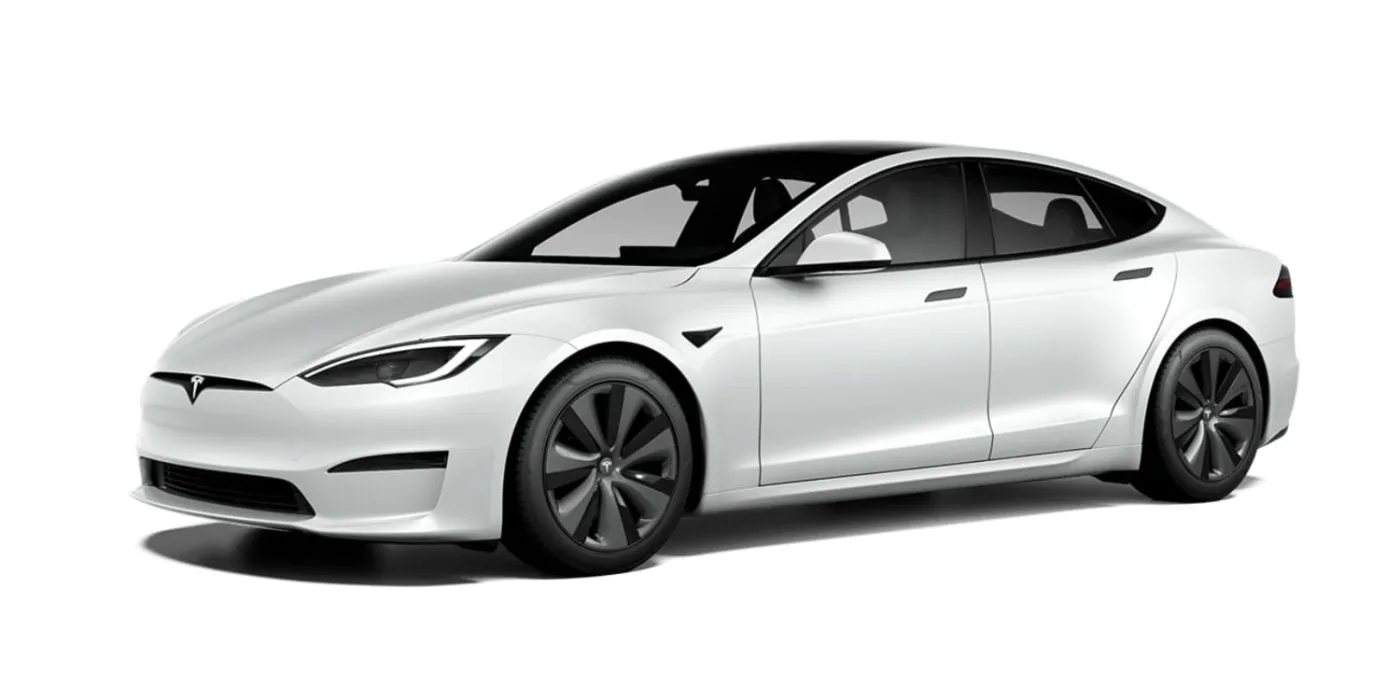
At a glance: premium large electric sedan with industry-leading battery and software features, long range and strong acceleration. Tesla’s Model S is a prestige choice for buyers who prioritise range, performance and technology.
Price guide: expect a broad range. Used or imported Model S vehicles can appear from roughly NGN 35,000,000 for older units up to NGN 140,000,000+ for newer or Plaid variants depending on duty and dealer markups. Always verify duty, clearance and registration costs before purchase.
Pros: best-in-class range, over-the-air updates, large ecosystem of accessories and widely recognised brand appeal.
Cons: warranty and service complications due to limited official distribution; high import taxes; check charging connector compatibility with local infrastructure.
Buying tips: use reputable importers with full documentation, confirm battery health and accident history, budget for certified EV electrician services for home charging, and plan for spare part lead times.
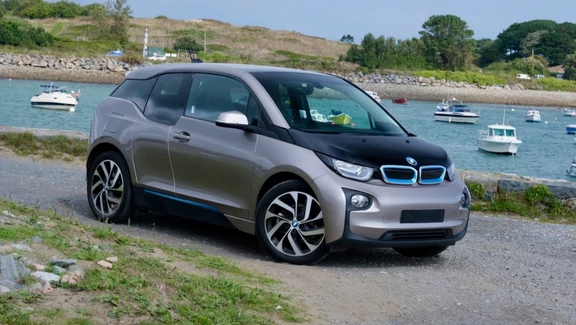
At a glance: compact electric hatch with distinctive design and urban focus. The i3 has been a niche premium city EV with clever packaging and eco materials.
Price guide 2025 – 2026 (Nigeria): local listings typically range between NGN 38,000,000 and NGN 84,000,000 depending on year, trim and range extender option. Confirm local dealer listings and import details.
Pros: compact footprint, premium interior, suited to congested urban centres.
Cons: limited range compared with modern mid-size EVs and ageing model lines. Parts and battery servicing may be difficult if not locally supported.
Buying tips: check battery cycle history and warranty transferability; for mostly city trips the i3 can be economical but ensure local workshop familiarity with EV systems.
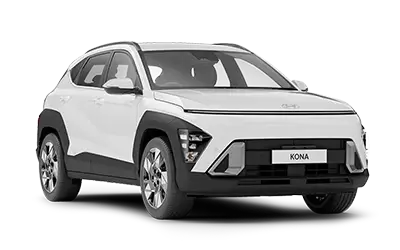
At a glance: the Kona Electric stands out in Nigeria because Stallion Group has locally assembled Kona EV units. Local assembly improves parts availability and aftersales support. The Kona offers strong range for its class with a 64 kWh battery variant.
Price guide: locally assembled Kona EV pricing varies, but reported ranges are approximately NGN 24,000,000 to NGN 75,000,000 depending on specification, local assembly status and dealer packages. Always confirm dealer pricing and whether charger installation or warranty packages are included.
Pros: long real-world range per charge, growing local dealer support and family-friendly crossover packaging.
Cons: depends on the charging ecosystem; real range will vary with Nigerian road and climate conditions.
Buying tips: ask your dealer for details on battery warranty, local servicing packages and whether home charger installation is included. Verify charger connector compatibility with public chargers.
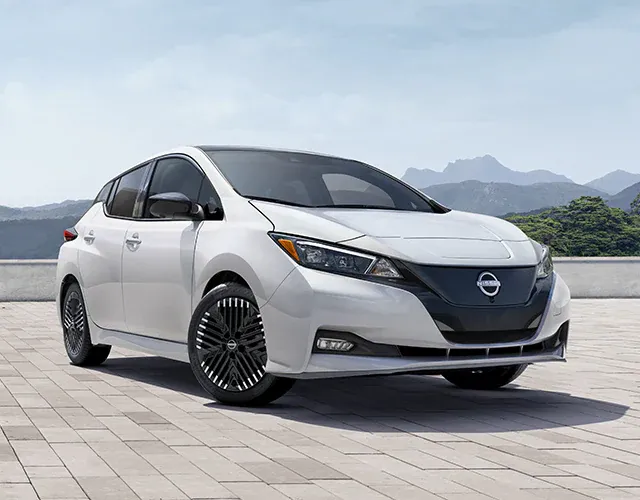
At a glance: one of the world’s most sold electric cars historically, the Nissan Leaf is known for its value and proven reliability. The Leaf offers a practical range and an approachable price point for buyers shifting from petrol cars.
Price guide: Nigerian listings and local car portals reference Nissan Leaf prices starting from roughly NGN 10,000,000 for older Tokunbo models. Check both local aggregators and international MSRP listings when evaluating an import.
Pros: affordability, decent range in modern trims and a large global support network for parts.
Cons: older units have smaller battery capacities; confirm battery degradation and any remaining warranty.
Buying tips: test battery range on a full charge and review battery health reports. If buying Tokunbo, ask for battery diagnostic printouts and proof of proper charging and maintenance history.
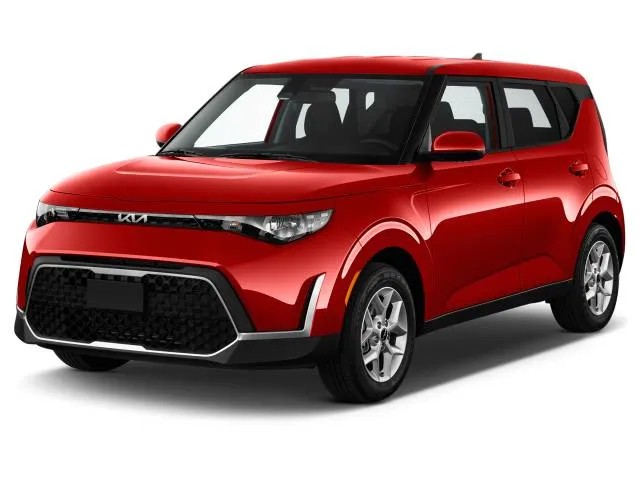
At a glance: a practical EV with a boxy shape that maximises cabin space. The Soul EV is positioned as an affordable small-family electric car in global markets.
Price guide: Kia Soul EV models are generally listed in the NGN 30,000,000 to NGN 36,000,000 bracket for new units, while used Tokunbo units can be less. Confirm that a listing is the EV variant, not the petrol model.
Pros: roomy interior, affordable trims and good technology-to-price ratio if the EV version is available locally.
Cons: model availability changes by market; check whether the EV Soul variant is being imported or available new locally.
Buying tips: ensure you are evaluating an EV trim. Ask for battery condition reports when buying used, and if buying new, confirm dealer charging and warranty support.
At a glance: the e-Golf combines a classic Golf design with an electric powertrain. It is an elegant option for buyers who want compact hatchback practicality with electric efficiency.
Price guide: price ranges for e-Golf and derivatives vary widely. Tokunbo and older models can be found around NGN 11,000,000 to NGN 50,000,000 depending on year and condition.
Pros: great chassis dynamics and widespread brand recognition.
Cons: older battery technology on early e-Golf models; confirm usable range and battery condition.
Buying tips: ask for original documentation to verify year, battery health, and whether the vehicle has been exposed to saltwater environments that accelerate corrosion.
At a glance: Ford produced an electric Focus for certain markets. It is a compact hatch with an electric configuration and adequate urban range. In Nigeria most Focus Electrics are Tokunbo and available through importers.
Price guide: Tokunbo Focus Electric units vary by year and condition. Historic price indicators and listings place certain model year units in mid-range Tokunbo price bands. Verify listings and request battery diagnostics.
Pros: familiar platform, reasonable urban range.
Cons: charging time on older units can be long; battery life should be examined.
Buying tips: insist on a battery health test performed by a reputable EV specialist workshop before payment. Budget for a certified home charger installation.
At a glance: the Volt is a plug-in hybrid offering electric-only range with a petrol backup. The Bolt is GM’s full-electric hatch with competitive range and features. Plug-in hybrids can be useful where public charging is limited because of the petrol engine fallback.
Price guide: Chevrolet Bolt EV and Volt models appear in various price bands. New-imported Bolt EVs are often priced higher while older Volt PHEV stock can be more affordable. Always confirm if a listing is EV, PHEV or petrol.
Buying tips: for PHEVs verify the condition of both battery pack and petrol-engine service history; for Bolt EVs check battery health and ask about any recalls or software updates.
At a glance: the Honda Clarity has been offered in different low-emission powertrains including PHEV and fuel cell versions. In Nigeria most Clarity units are PHEV or hybrid Tokunbo imports.
Price guide: Clarity and related low-emission Honda models can be in higher price bands because of limited local availability. Confirm powertrain and parts support before purchase.
Buying tips: confirm the exact powertrain and obtain documentation on battery health plus any transferable manufacturer warranty.
At a glance: ultra-compact city EV ideal for tight parking and short commutes. Many Smart models in Nigeria are imported used units. Modern Smart EQ models exist globally and may appear in market imports.
Price guide: Smart EQ Fortwo and similar models can be found from roughly NGN 3,000,000 up to NGN 35,000,000 depending on generation and condition. Verify the listing is the electric variant.
Pros: low energy use for city driving and very easy to manoeuvre and park.
Cons: short range on older models and limited cabin space. Parts availability varies with local dealer network presence.
Buying tips: ideal for short daily commutes. Ask for battery metrics and confirm charger compatibility.
How we chose these ten
This selection blends global model relevance, actual presence in Nigeria through local assembly or Tokunbo market listings, and buyer interest. Sources include local vehicle aggregators, dealer and OEM announcements and recent local assembly updates such as Stallion Group’s Kona EV programme.
Prices, import costs and why ranges vary so much
Three main reasons Nigerian EV purchase prices span wide ranges are:
Import status – brand-new direct imports, locally assembled models and Tokunbo imports carry different duty and clearance costs.
Exchange rate shifts – most EVs are priced in USD or Euros at source. Changes to the naira exchange rate can change landed cost dramatically.
Dealer packages – some dealers include home-charger installation, warranty packages or training while others