Top 10 Reliable Virtual Banks in Nigeria (Updated 2026)
0
(0)
Have you ever wondered how seamless financial management could become without stepping into a crowded branch or dealing with endless paperwork?
The landscape of banking in Nigeria has evolved dramatically, with virtual banks leading the charge in providing accessible, tech-driven solutions that cater to millions seeking convenience and security. These platforms leverage mobile technology to offer everything from instant loans to high-yield savings, addressing the needs of urban professionals, small business owners, and rural users alike. As of 2026, the sector boasts billions in transaction volumes, driven by increasing smartphone penetration and a push for financial inclusion. What makes these banks stand out among traditional institutions? Their ability to deliver superior services with minimal fees and rapid processing times positions them as essential tools for modern Nigerians navigating economic challenges.
Kuda Bank emerged in 2016 as a pioneering force in Nigeria’s fintech space, officially launching its app in 2019 to challenge conventional banking norms with a fully digital model. Its popularity soared due to zero-fee structures and user-friendly interface, attracting over eight million customers by 2026 who appreciate the freedom from hidden charges. Unique features include automated savings plans, instant overdrafts, and seamless international transfers, setting it apart as a premier choice for everyday financial needs. With an estimated user base exceeding eight million, Kuda continues to expand through partnerships and innovations like organic certifications for enhanced trust. This growth reflects how optimal digital solutions can empower users, but are you ready to switch to a bank that prioritizes your wallet?
OPay originated in 2013, gaining a Central Bank of Nigeria license in 2018 and rebranding to focus on inclusive financial services across the nation. Its meteoric rise in popularity stems from being the most downloaded fintech app, boasting over 40 million monthly active users by 2026 who rely on its integrated ecosystem for daily transactions. Standout features encompass merchant services, lifestyle solutions like airtime purchases, and robust security measures, making it an excellent option for both individuals and businesses. The platform processes billions in transactions annually, with an estimated 40 million users highlighting its dominance in bridging traditional and digital economies. Such widespread adoption raises the question: how can one platform handle everything from remittances to bill payments so effortlessly?
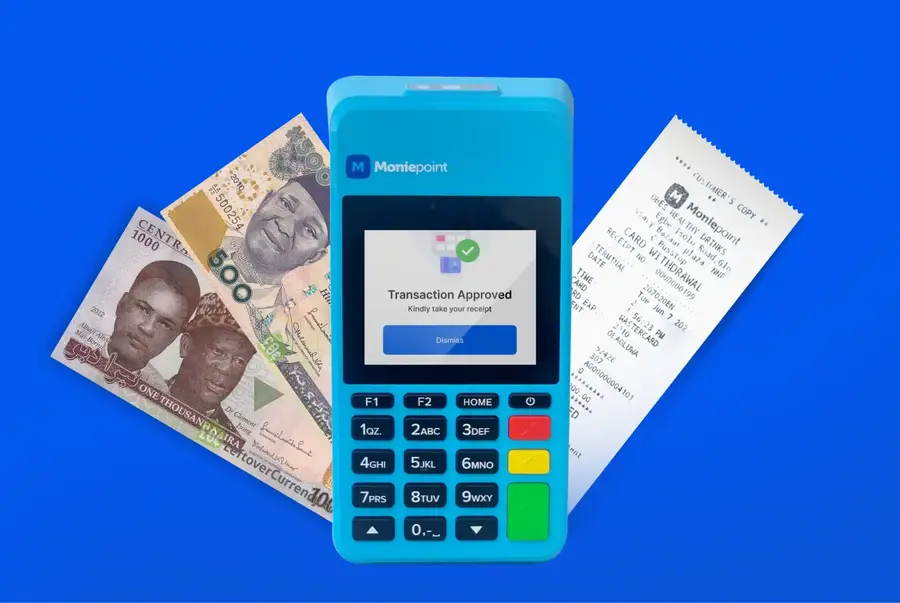
Moniepoint Microfinance Bank began operations in 2015, rebranding from TeamApt in 2023 to emphasize its role in empowering small businesses through accessible banking. Its popularity exploded thanks to a vast network of POS terminals and agent banking, serving over 15 million users by 2026 who value its reliability in underserved areas. Key unique features involve business loans without collateral, real-time analytics for merchants, and seamless integration with e-commerce, establishing it as a superior tool for entrepreneurial growth. With an estimated user count of 15 million, Moniepoint drives economic inclusion by processing trillions in payments yearly. This begs the inquiry: what if your business could thrive with instant funding and zero downtime?
FairMoney Microfinance Bank was established in 2017, quickly gaining traction as a credit-led neobank expanding into full banking services by acquiring a license in 2021. Its appeal lies in rapid loan disbursements and high customer satisfaction, amassing over seven million users by 2026 who benefit from its data-driven credit scoring. Distinctive elements include instant approvals for unsecured loans, competitive savings rates, and a one-stop app for payments, rendering it a foremost contender in personal finance. The bank’s disbursement of billions in loans underscores its impact, with an estimated seven million users across Nigeria and India. Considering this, do you need a bank that approves loans in minutes without visits?
PalmPay entered the Nigerian market in 2019, backed by international funding to build a neobank focused on emerging economies. Its rapid popularity is evident in surpassing 40 million users by 2026, fueled by rewarding transactions and an extensive agent network for cash-in/cash-out services. Notable features comprise high-interest savings plans, credit access, and daily transaction limits exceeding millions, positioning it as an optimal solution for unbanked populations. With an estimated 40 million users processing 15 million transactions daily, PalmPay exemplifies scalable fintech success. This level of engagement prompts reflection: how might rewards on every payment change your spending habits?
ALAT by Wema debuted in 2017 as Africa’s first fully digital bank, revolutionizing access with no-branch requirements and instant account openings. Its enduring popularity comes from innovative upgrades like voice banking in 2026, drawing over three million users who seek intuitive experiences. Exclusive attributes feature SAW for voice commands, tap-and-pay functionality, and uptime predictions for reliability, making it a premier hybrid of traditional and digital banking. The platform’s user base, estimated at three million, continues to grow through AI enhancements. In light of these advancements, are you leveraging voice tech for hassle-free transfers?
V Bank, under VFD Microfinance Bank, was licensed in 2015 and launched its digital arm in 2020 to promote ownership and inclusion. Its rising popularity is tied to zero maintenance fees and high-yield deposits, engaging over two million users by 2026 in a competitive market. Unique offerings include virtual cards for secure online shopping, up to 15% interest on savings, and community-focused tools, establishing it as an excellent choice for value-driven banking. With an estimated two million users, V Bank’s recent capital injections fuel its expansion. This approach leads to the question: why pay fees when superior alternatives exist?
Sparkle Microfinance Bank started in 2019, aiming to blend lifestyle services with finance for seamless user experiences. Its popularity has grown steadily, reaching over one million users by 2026 through democratized access to tools like group savings. Standout features encompass Sparkle Stash for flexible saving, integrated payments, and data analytics for personal needs, marking it as a foremost ecosystem for retailers and individuals. The bank’s estimated one million users highlight its role in financial democratization. Given this integration, how can combining finance and lifestyle simplify your routine?
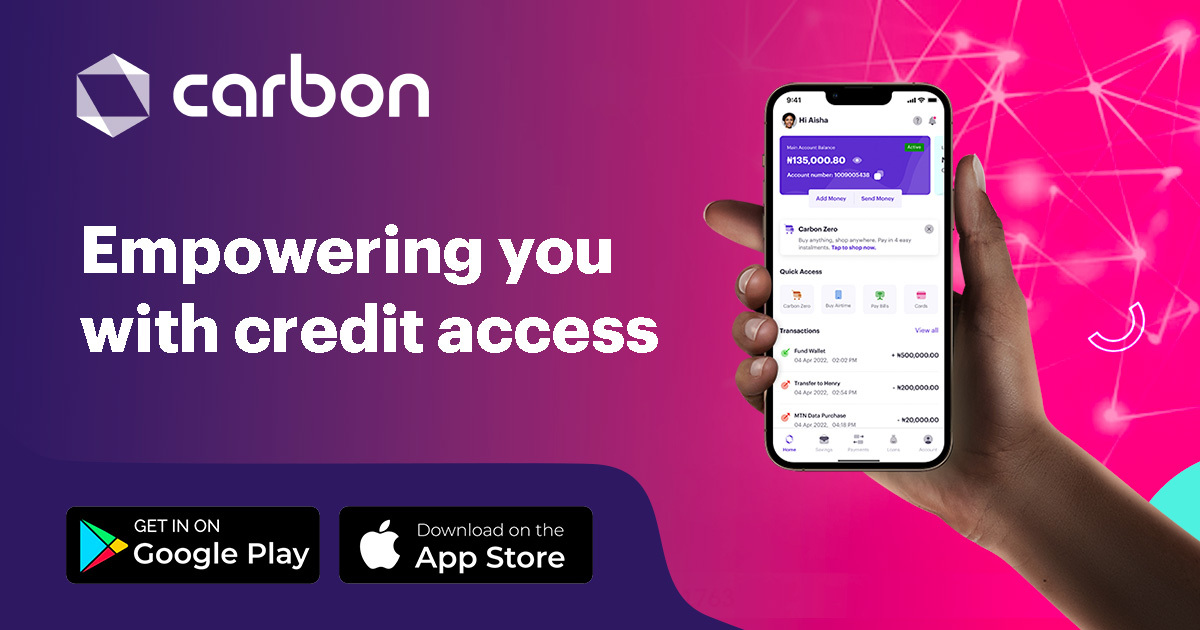
Carbon Microfinance Bank originated in 2012, evolving from One Credit to a full digital bank with its app launch in 2016. Its sustained popularity arises from instant credit access, serving over two million users by 2026 amid economic demands. Key differentiators include market-leading investment rates, free transfers, and BNPL options, rendering it a superior platform for wealth building. With an estimated two million users processing billions in transactions, Carbon exemplifies resilient fintech. This versatility raises curiosity: what if your bank offered loans and investments in one app?
Paga was founded in 2009, pioneering mobile money in Nigeria with a focus on inclusive payments. Its widespread popularity endures through partnerships and ease of use, boasting over 15 million users by 2026. Distinctive elements feature agent networks for remittances, bill payments without accounts, and business tools, positioning it as an optimal bridge to formal finance. The platform’s estimated 15 million users underscore its impact on unbanked segments. Reflecting on this, do you need a service that turns any phone into a bank?
Conclusion
The proliferation of these top virtual banks in Nigeria underscores their role in fostering financial empowerment, with collective user bases exceeding hundreds of millions and transaction volumes in the trillions. By prioritizing innovation, security, and accessibility, they represent the best pathways to economic resilience in 2026. Embracing such platforms ensures users stay ahead in a digital-first world, where convenience meets reliability. Ultimately, selecting from these foremost options can transform personal and business finances for the better.