Top 10 Types of Headaches and Their Symptoms (Complete Guide for Fast Relief)
0
(0)
Introduction
Have you ever had a headache so disruptive that it affected your focus, mood, work, sleep, or even your ability to carry out simple daily tasks? Headaches can be worrying and destabilizing, especially when the pain feels unfamiliar, severe, or frequent, which is why it is essential to know the type you may be dealing with. Some headaches are mild and temporary, while others may point to a deeper health issue that needs attention. Understanding the most common headache patterns can help you choose the most suitable response, seek the most effective care, and avoid ignoring warning signs that should not be overlooked.
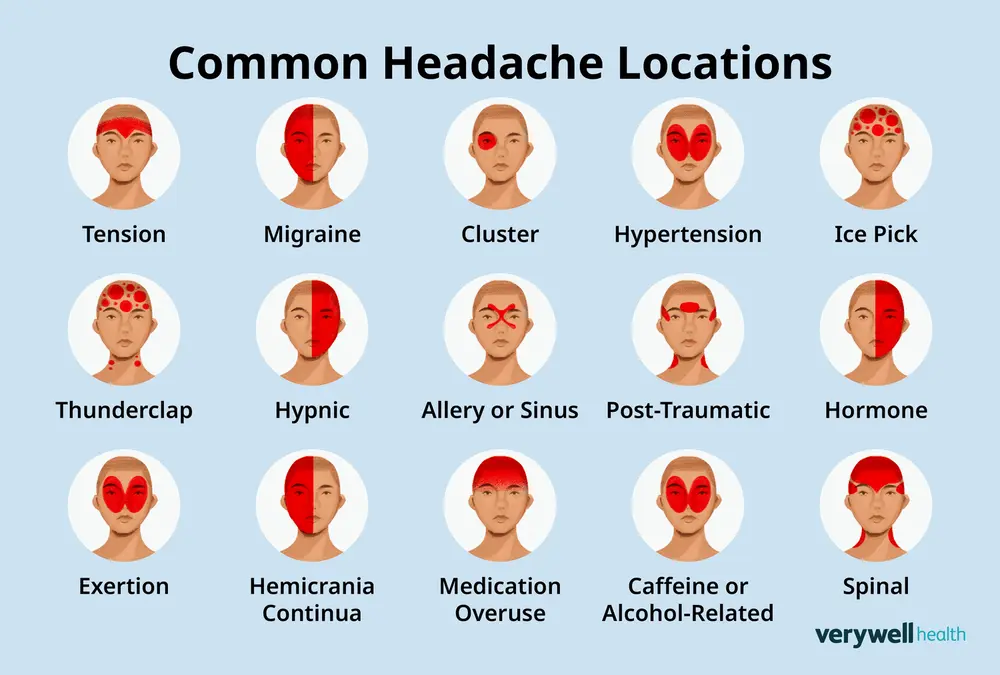
1. Tension Headache
Symptoms:
A dull, steady ache rather than a throbbing pain
Tightness or pressure around the forehead, temples, or back of the head
Mild to moderate pain that may last from hours to days
Tenderness in the neck, scalp, or shoulder muscles
A tension headache is one of the most common types of head pain and is often linked to stress, poor posture, fatigue, eye strain, or muscle tension. It usually feels like a tight band wrapped around the head, which is why many people describe it as pressure rather than sharp pain. This is often the top headache type people experience in everyday life, especially during busy or stressful periods. Although it may not be the most severe, it can still interfere with concentration and comfort, and repeated episodes may signal that rest, hydration, posture correction, or stress management is needed. For many people, identifying the trigger is the most practical way to reduce how often it returns.
2. Migraine
Symptoms:
Moderate to severe throbbing or pulsating pain
Pain often on one side of the head, though it can affect both sides
Sensitivity to light, sound, or smell
Nausea, vomiting, or dizziness
Visual changes such as flashing lights, zigzag lines, or blind spots
Migraine is one of the most recognized and most disruptive headache disorders because it can affect far more than just the head. It may come with an aura before the pain starts, and the attack can last for hours or even days. Many people with migraines need to stop what they are doing and rest in a dark, quiet room because normal activity becomes difficult. This is one of the top conditions to identify early because knowing the pattern can help someone find the most effective treatment plan and avoid common triggers such as missed meals, certain foods, stress, dehydration, or sleep changes. Migraine pain is not simply a “bad headache”; it is a neurological condition that deserves proper attention.
3. Cluster Headache
Symptoms:
Extremely severe pain around one eye or one side of the head
Red or watery eye on the affected side
Stuffy or runny nose
Drooping eyelid or facial sweating
Restlessness or inability to sit still during attacks
Cluster headaches are less common than tension headaches or migraines, but they are often considered among the most intense types of headache pain. They typically occur in cycles or “clusters,” meaning a person may have repeated attacks over days or weeks and then experience a quiet period before they return. The pain is usually sharp, burning, or piercing, and it often appears suddenly. Because the symptoms can look dramatic and the pain is severe, this is one of the most important headache types to recognize quickly. A person who has repeated attacks around one eye should seek medical evaluation, since the best approach may require specific treatment rather than ordinary pain relief.
4. Sinus Headache
Symptoms:
Pain or pressure in the forehead, cheeks, nose, or around the eyes
Worsening pain when bending forward
Nasal congestion or a blocked nose
Thick nasal discharge
Fever or facial tenderness in some cases
A sinus headache is often linked to sinus inflammation or infection and may be confused with migraine because the pain can occur in the face and around the eyes. People may feel pressure in the front of the head, and the discomfort can increase when leaning over or moving suddenly. It is one of the top causes of facial pressure, especially when the sinuses are swollen or infected. However, not every headache with facial pain is truly caused by the sinuses, so it is wise to look at the full symptom pattern before assuming the cause. For many people, treating the underlying sinus problem is the most reliable way to relieve the pain.
Pain that starts in the neck and spreads to the head
Stiffness or reduced movement in the neck
Pain on one side of the head or behind one eye
Discomfort that worsens with certain neck positions
Shoulder or upper back tension
A cervicogenic headache begins in the neck rather than in the head itself, and that makes it different from many other headache types. It is often related to joint, muscle, or nerve problems in the cervical spine, and the pain can travel upward into the head. This can be one of the most frustrating forms of head pain because it may keep returning if the neck issue remains untreated. The symptoms can be mistaken for migraine or tension headache, so paying attention to neck stiffness and posture is important. The best results often come from addressing the root cause, such as muscle imbalance, poor alignment, or strain from long periods of sitting.
6. Medication Overuse Headache
Symptoms:
Headaches that happen frequently or almost daily
Pain that returns soon after pain relief wears off
History of frequent use of headache medication
Symptoms that can feel like tension headache or migraine
Worsening pattern over time
A medication overuse headache, sometimes called a rebound headache, can develop when pain relief medicine is taken too often. Instead of helping long term, frequent use may lead the body into a cycle where headaches return again and again. This is one of the most overlooked headache problems because people often assume they need even more medication when the real issue is overuse. It is among the top reasons frequent headache sufferers should review their pain relief habits with a healthcare professional. The most suitable plan often involves reducing the overused medicine under medical guidance and addressing the original headache type more carefully.
7. Hormonal Headache
Symptoms:
Headaches linked to menstrual periods, pregnancy, or menopause
Throbbing pain similar to migraine
Sensitivity to light or noise
Mood changes or irritability
Nausea in some cases
Hormonal headaches are influenced by changes in hormone levels, especially estrogen, and they are commonly reported around menstruation. They may also appear during pregnancy, after childbirth, or during menopause, when the body’s hormone balance changes. This is one of the most common patterns seen in women who notice predictable headache timing in relation to their cycle. The symptoms can feel intense and disruptive, especially when they follow a regular monthly pattern. The most effective management often starts with tracking timing, triggers, sleep, stress, and eating habits so that the headache pattern becomes easier to understand.
8. Exertion Headache
Symptoms:
Pain triggered by exercise or physical effort
Pulsing or throbbing headache during or after activity
Pain that may appear after lifting, running, or bending
Sometimes nausea or neck discomfort
Usually short-lived, but can be intense
An exertion headache, also called an exercise headache, happens when physical activity triggers head pain. It may occur after heavy lifting, intense workouts, or even sudden bursts of movement. For some people, this headache is harmless and temporary, but for others it may need medical review, especially if it starts suddenly or is severe. Because exercise is usually healthy, repeated exertion headaches should not be ignored, particularly if they are new or unusual. The best approach is to notice whether dehydration, breathing strain, heat, or overexertion may be contributing to the pain.
9. Thunderclap Headache
Symptoms:
Sudden, extremely severe headache
Pain that reaches full intensity within seconds or minutes
Feeling unlike any previous headache
Possible nausea, weakness, confusion, or fainting
May occur with neck stiffness or vision changes
A thunderclap headache is a medical emergency because it appears very suddenly and can signal a serious underlying problem. The pain is often described as the worst headache of a person’s life, and it should never be brushed aside as ordinary head pain. This is one of the top red-flag headache types because the speed of onset is the biggest concern. Even if the pain eases later, urgent medical evaluation is still needed to rule out life-threatening causes. The most important step is not to wait and see, especially if there are other symptoms such as confusion, weakness, or collapse.
Shortness of breath or chest discomfort in severe cases
May occur with very high blood pressure
A hypertension headache is associated with high blood pressure, although not every person with high blood pressure gets headaches. When blood pressure rises to dangerous levels, head pain may appear alongside other warning signs. This is a type of headache that should be taken seriously because the underlying issue can affect the heart, brain, and blood vessels. It is among the most important headaches to check, particularly if the person already knows they have hypertension or has symptoms such as visual changes or severe pressure. The best next step is to measure blood pressure promptly and seek medical care when readings are very high or symptoms are strong.
Why Knowing the Type Matters
Understanding headache types is not just about naming pain; it is about choosing the right response. A tension headache may improve with rest, hydration, and stress reduction, while a migraine may need a different treatment plan altogether. Some headaches are annoying but manageable, while others are warning signs that require urgent attention. The more clearly a person can describe the pain, location, timing, and related symptoms, the easier it becomes for a healthcare professional to identify the cause. That is why recognizing the top patterns of headache pain can lead to faster relief, better decisions, and safer care.
When to Seek Medical Help
A headache should be checked by a healthcare professional if it is sudden, severe, new, frequent, or different from the person’s usual pattern. It is also important to get medical help if the headache comes with fever, fainting, confusion, weakness, seizures, vision loss, or pain after a head injury. Persistent headaches that keep returning or becoming stronger should not be ignored. A proper diagnosis can help separate a common headache from a more serious problem and may lead to the most effective treatment.
Conclusion
Headaches may seem ordinary, but their causes and symptoms can vary widely, from the very common tension headache to more serious conditions like thunderclap headache or hypertension-related pain. Knowing the type of headache you are dealing with can help you respond in the smartest way, avoid unnecessary worry, and seek care when it truly matters. The most reliable approach is to pay attention to timing, location, intensity, and any extra symptoms that appear with the pain. When those details are clear, it becomes easier to find the best solution, the most suitable treatment, and the right level of medical support. For anyone dealing with repeated or severe headaches, awareness is the first and most practical step toward relief.
Struggling with frequent headaches? Share your symptoms in the comments or speak to a healthcare professional today—early understanding leads to faster relief.