Top 5 Most Dangerous Cities in the World: A Look at Global Crime Hotspots
0
(0)
In an increasingly interconnected world, understanding global safety trends is crucial for travelers, businesses, and policymakers alike. This article delves into the world’s most dangerous cities based on crime index data from mid-year 2026. We’ll explore the factors contributing to their high crime rates, the challenges faced by local authorities, and the impact on residents and visitors. Additionally, we’ll discuss efforts being made to improve safety and security in these urban centers, which are often considered the cities with highest crime rates globally.
Understanding Crime Index
Before we dive into the list of the most crime-ridden cities, it’s important to understand what the crime index represents. The crime index is a statistical measure that provides an overall assessment of the level of crime in a given area. It typically takes into account various types of crimes, including violent crimes (such as murder, assault, and robbery) and property crimes (such as burglary and theft).
The crime index is usually presented on a scale from 0 to 100, where 0 indicates extremely low levels of crime and 100 represents extremely high levels of crime. It’s worth noting that this index is often based on both official crime statistics and perception surveys, which means it can be influenced by factors such as unreported crimes and public sentiment about safety.
While the crime index provides a useful snapshot of a city’s safety situation, it’s important to remember that it doesn’t tell the whole story. Factors such as income inequality, unemployment, drug trafficking, and political instability can all contribute to high crime rates but may not be fully captured by the index. These factors often play a significant role in determining which cities are the most dangerous cities to live in.
1. Pietermaritzburg, South Africa – Crime Index: 82.5
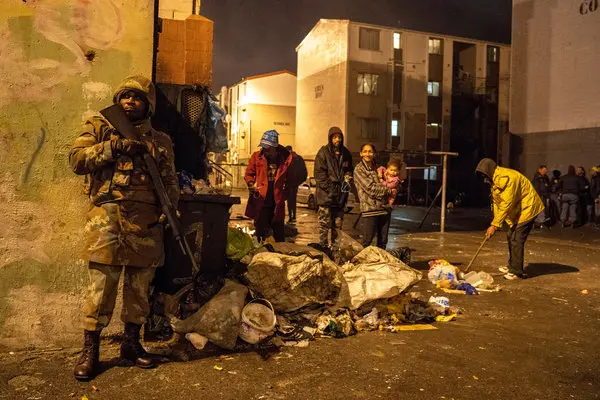
Topping our list of cities with high crime rates is Pietermaritzburg, the capital and second-largest city of the province of KwaZulu-Natal in South Africa. With a crime index of 82.5, Pietermaritzburg faces significant challenges in maintaining law and order, making it one of the most dangerous cities in the world.
The high crime rate in Pietermaritzburg can be attributed to a complex interplay of socio-economic factors. Unemployment, poverty, and income inequality are rampant in the city, creating an environment where crime often becomes a means of survival for many. The city has been particularly plagued by violent crimes such as murder, assault, and robbery. Property crimes, including burglary and theft, are also widespread, causing constant concern among residents and businesses.
Drugs and crime have further exacerbated the security situation in Pietermaritzburg. The city has seen a rise in gang-related activities, often linked to the drug trade, which has led to turf wars and increased violence in certain neighborhoods. The influx of illegal firearms has made these confrontations even more deadly, contributing to the city’s high homicide rates.
Despite these challenges, local authorities and community organizations in Pietermaritzburg are working tirelessly to improve the situation. Initiatives such as community policing forums, youth development programs, and efforts to boost economic opportunities are being implemented. However, progress is slow, and the city continues to grapple with its crime problem, particularly when it comes to violent crime.
2. Pretoria, South Africa – Crime Index: 81.9
The second city on our list of cities with highest murder rates is Pretoria, one of South Africa’s three capital cities and the seat of the executive branch of government. With a crime index of 81.9, Pretoria faces significant security challenges despite its status as an important administrative center.
Pretoria’s high crime rate is influenced by several factors, including rapid urbanization, high unemployment rates, and stark income disparities. The city has seen a surge in violent crimes, particularly armed robberies, carjackings, and home invasions. These crimes often occur in both affluent neighborhoods and low-income areas, creating a pervasive sense of insecurity among residents and raising concerns for tourists and foreigners.
Gang activity is another major concern in Pretoria. Criminal gangs, often involved in drug trafficking and other illegal activities, contribute significantly to the city’s crime problem. The presence of these organized crime groups has led to increased violence and has made certain areas of the city particularly dangerous, especially after dark.
Despite being the seat of government, Pretoria struggles with corruption within its law enforcement agencies, which hampers effective crime prevention and investigation. This corruption, coupled with resource constraints, has eroded public trust in the police force and made it difficult to implement successful crime reduction strategies.
However, it’s important to note that efforts are being made to address the crime situation in Pretoria. The government has implemented various crime prevention initiatives, including increased police patrols, the installation of CCTV cameras in crime hotspots, and community outreach programs. Additionally, private security companies play a significant role in protecting residents and businesses, although this has raised concerns about the privatization of security and its implications for equality.
3. Caracas, Venezuela – Crime Index: 81.7
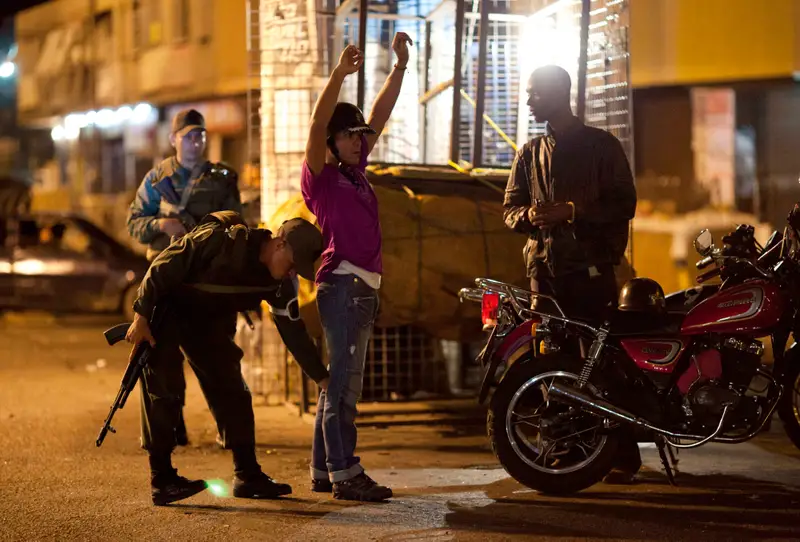
Caracas, the capital and largest city of Venezuela, ranks third on our list of dangerous cities in the world with a crime index of 81.7. Once a thriving metropolis, Caracas has been plagued by crime and violence for years, largely due to political instability, economic crisis, and social unrest.
The crime situation in Caracas is deeply intertwined with the country’s broader economic and political challenges. Venezuela has been facing a severe economic crisis, characterized by hyperinflation, shortages of basic goods, and widespread poverty. This economic turmoil has led to a surge in crime as many people turn to illegal activities to survive. Violent crimes such as murder, kidnapping, and armed robbery are alarmingly common in Caracas, contributing to its reputation as one of the cities with highest crime rates globally.
One of the most pressing issues in Caracas is the proliferation of organized crime. Powerful gangs, known locally as “megabandas,” control large areas of the city, particularly in the sprawling slums or “barrios” that surround the city center. These gangs are often better armed than the police and engage in a wide range of criminal activities, from drug trafficking to extortion.
The political instability in Venezuela has further exacerbated the crime problem in Caracas. The breakdown of institutional structures, including the justice system and law enforcement agencies, has created a climate of impunity. Many crimes go unreported or uninvestigated due to lack of resources, corruption, or fear of reprisals. For tourists and foreigners, Caracas is often cited as a city where you should avoid unnecessary risks and heed travel warnings.
Despite these challenges, there are pockets of resilience in Caracas. Community organizations and local initiatives work to provide safe spaces and opportunities for youth, aiming to prevent their recruitment into criminal gangs. However, addressing the crime problem in Caracas will require significant political, economic, and social reforms at the national level.
4. Port Moresby, Papua New Guinea – Crime Index: 80.9
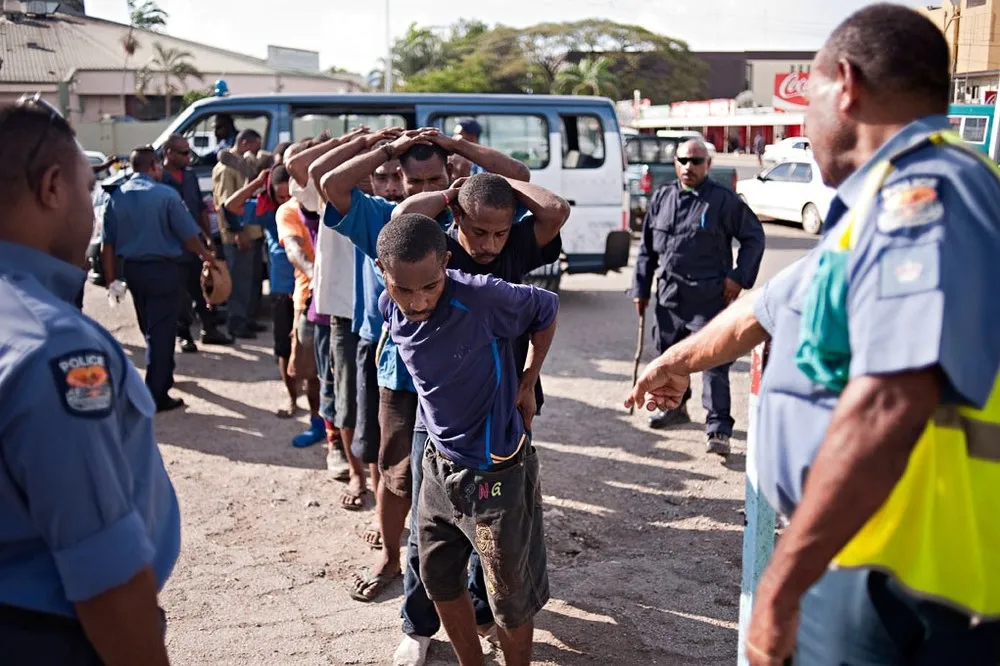
Port Moresby, the capital and largest city of Papua New Guinea, ranks fourth on our list with a crime index of 80.9. This city in the South Pacific faces unique challenges that contribute to its high crime rate and reputation as one of the world’s most dangerous urban areas.
The crime situation in Port Moresby is complex and multifaceted. One of the primary factors contributing to the high crime rate is the rapid urbanization the city has experienced in recent decades. Many people have migrated from rural areas to Port Moresby in search of economic opportunities, leading to the growth of large informal settlements or “squatter areas” around the city. These areas often lack basic services and infrastructure, creating conditions that can foster criminal activity and contribute to Port Moresby’s status as one of the most dangerous cities to live in.
Violent crime is a significant concern in Port Moresby. Armed robberies, assaults, and carjackings are common, particularly after dark. The city has also gained notoriety for its high rates of sexual violence against women and girls. Gang activity, known locally as “raskol gangs,” is widespread and contributes significantly to the city’s crime problem. These gangs often engage in armed robberies, burglaries, and other violent crimes.
Economic factors play a crucial role in Port Moresby’s crime situation. Despite Papua New Guinea’s rich natural resources, wealth distribution is highly unequal, and many residents of Port Moresby live in poverty. This economic disparity, coupled with high unemployment rates, particularly among young people, drives many to turn to crime as a means of survival.
The effectiveness of law enforcement in Port Moresby is hampered by several factors. The police force is understaffed, underequipped, and often accused of corruption. This has led to a lack of public trust in law enforcement, with many crimes going unreported. The judicial system also faces challenges, with long delays in court proceedings and a backlog of cases contributing to a sense of impunity among criminals.
Despite these challenges, efforts are being made to improve the situation in Port Moresby. The government, with support from international partners, has implemented various crime prevention initiatives. These include community policing programs, youth engagement projects, and urban renewal efforts aimed at improving living conditions in informal settlements. However, progress remains slow, and Port Moresby continues to grapple with its reputation as one of the world’s most dangerous cities.
5. Johannesburg, South Africa – Crime Index: 80.8
Rounding out our top five most dangerous cities in the world is Johannesburg, South Africa’s largest city and economic hub, with a crime index of 80.8. Known locally as “Joburg” or “Jozi,” this sprawling metropolis faces significant security challenges despite its status as a major commercial center.
Johannesburg’s crime problem is deeply rooted in its history and current socio-economic realities. The city’s rapid growth and the legacy of apartheid have resulted in stark income inequalities and spatial segregation. Wealthy neighborhoods with high security measures exist alongside impoverished townships and informal settlements, creating a landscape where crime often thrives.
Violent crime is a major concern in Johannesburg. Armed robberies, carjackings, and home invasions occur with alarming frequency. The city has also gained notoriety for its high rates of sexual assault and rape. These crimes not only affect residents but also impact tourism and business investment in the city, raising significant concerns for tourists and foreigners visiting or considering relocating to Johannesburg.
Organized crime plays a significant role in Johannesburg’s security landscape. Criminal syndicates are involved in various illegal activities, including drug trafficking, human trafficking, and the trade in illegal firearms. These organized crime groups often have international connections, making them particularly challenging for law enforcement to combat.
The Central Business District (CBD) of Johannesburg has been particularly affected by crime. Once the thriving heart of the city, parts of the CBD have experienced urban decay and high crime rates, leading many businesses to relocate to suburban areas. However, recent years have seen efforts to revitalize the CBD, including increased security measures and urban renewal projects.
Despite its high crime rate, it’s important to note that Johannesburg is a city of contrasts. It remains the economic powerhouse of South Africa and continues to attract investors and entrepreneurs. Many areas of the city are relatively safe, particularly during daylight hours, and millions of residents go about their daily lives without experiencing serious crime.
Efforts to address crime in Johannesburg include both public and private initiatives. The city has implemented various crime prevention strategies, including the use of CCTV cameras in high-risk areas and community policing programs. Private security companies play a significant role in protecting residents and businesses, although this has raised concerns about the privatization of security and its implications for equality.
Notable Mentions: Other High-Crime Cities
While we’ve focused on the top 5 most dangerous cities based on crime index, several other cities around the world face significant security challenges. Here are some notable mentions:
Durban, South Africa (Crime Index: 80.6): Another South African city grappling with high crime rates, particularly violent crime and property theft.
Port Elizabeth, South Africa (Crime Index: 77.7): Continuing the trend of South African cities on this list, Port Elizabeth faces challenges with both violent and property crimes.
Rio de Janeiro, Brazil (Crime Index: 77.5): Known for its beautiful beaches and vibrant culture, Rio also struggles with high crime rates, particularly in its favelas. The city has long been associated with drugs and crime, making it a challenging destination for tourists and residents alike.
Salvador, Brazil (Crime Index: 76.6): This coastal city in northeastern Brazil faces significant challenges with violent crime and gang activity, contributing to its reputation as one of the cities with high crime rates in South America.
Memphis, TN, United States (Crime Index: 76.5): The only U.S. city in the top 10, Memphis struggles with high rates of violent crime and property crime. Its inclusion on this list often raises questions about where is the most dangerous city in the United States and which is the safest large city in the country.
These cities, along with many others not mentioned here, face complex challenges in addressing crime and ensuring the safety of their residents and visitors. Many of them are often cited in travel advisories and warnings for tourists and foreigners.
Conclusion: A Call for Comprehensive Urban Safety Strategies
The cities discussed in this article – Pietermaritzburg, Pretoria, Caracas, Port Moresby, and Johannesburg – along with the other notable mentions, face significant challenges in ensuring the safety and security of their residents and visitors. These challenges are complex and deeply rooted in various socio-economic, political, and cultural factors.
Addressing urban crime requires a multifaceted approach that goes beyond traditional law enforcement strategies. It calls for comprehensive urban development plans that address the root causes of crime, including poverty, unemployment, and social inequality. Investments in education, job creation, and community development are crucial elements of any effective crime reduction strategy.
Moreover, there’s a need for increased collaboration between government agencies, law enforcement, community organizations, and the private sector. Such partnerships can lead to more innovative and effective approaches to urban safety.
While the cities mentioned in this article currently face significant security challenges, it’s important to remember that change is possible. Many cities around the world have successfully reduced their crime rates through sustained, comprehensive efforts. With the right strategies, political will, and community engagement, even the most dangerous cities can work towards a safer, more prosperous future.
As we continue to navigate an increasingly urbanized world, ensuring the safety and security of our cities must remain a top priority. Only by creating safe urban environments can we unlock the full potential of our cities as engines of economic growth, cultural vibrancy, and human development.