Top Regular Medications to Avoid for a Safe and Healthy Pregnancy
0
(0)
Pregnancy complications such as miscarriage, birth defects, and preterm labor are influenced not only by genetics and environment but also by maternal medication use (CDC). Ingesting the wrong drug at the wrong time can disrupt organ formation, alter fetal blood flow, or trigger uterine contractions, leading to irreversible harm.
Have you ever wondered which common remedies might pose hidden threats to your baby? Always ask your obstetrician before starting or stopping any prescription, over-the-counter drug, or supplement, as professional guidance is the premier safeguard for you and your developing child (WebMD).
1. Aspirin (Unless Specifically Prescribed)
Aspirin used for headaches or cramps can increase the risk of miscarriage when taken in early pregnancy and cause premature closure of the fetal ductus arteriosus after 20 weeks—leading to pulmonary hypertension in the newborn (WebMD). Even low-dose aspirin, while sometimes prescribed to prevent preeclampsia, must be managed by a doctor to balance maternal benefits against fetal kidney and bleeding risks.
Expectant mothers should never self-medicate with aspirin; safer alternatives such as acetaminophen offer effective pain relief without these vascular hazards. Consultation with your provider ensures you receive top-rated guidance on timing and dosage for any aspirin therapy.
2. Ibuprofen and Other NSAIDs
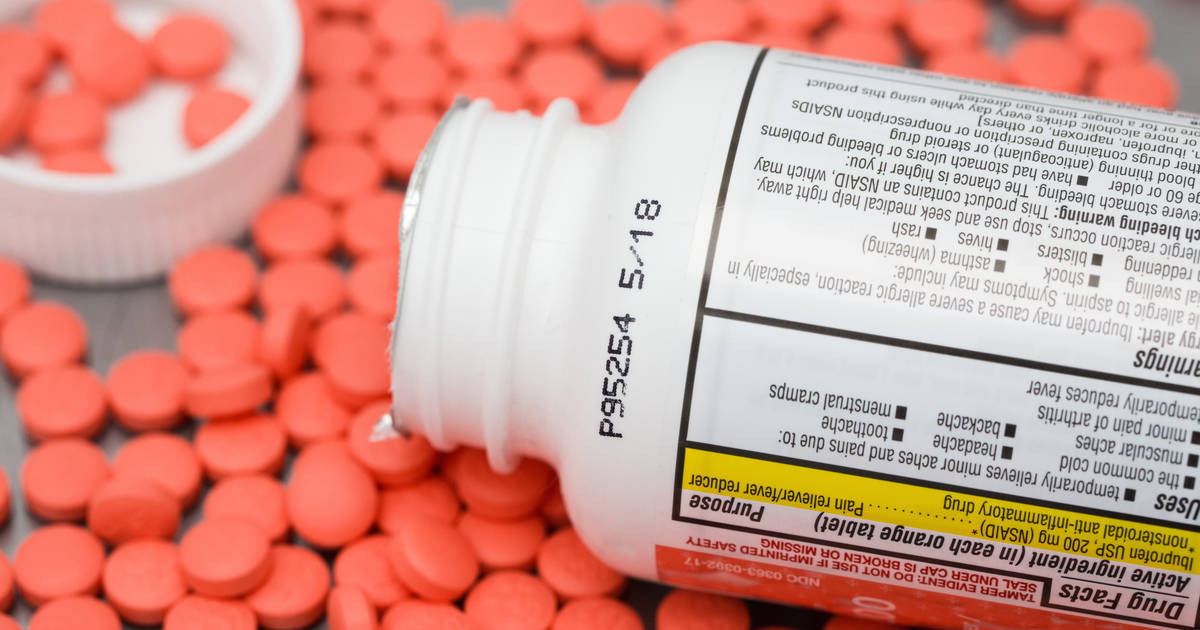
Non-steroidal anti-inflammatory drugs—ibuprofen, naproxen, diclofenac—are linked to increased miscarriage rates when used in the first trimester and to fetal kidney problems and low amniotic fluid later on, compromising lung development (WebMD). Their interference with prostaglandin synthesis can also prematurely constrict key fetal blood vessels.
Although NSAIDs are prime choices for pain management outside of pregnancy, women expecting should switch to acetaminophen under medical supervision. This substitution minimizes risks while still offering relief from pain and fever.
3. Isotretinoin (Accutane and Generics)
Isotretinoin, prescribed for severe acne, is one of the most teratogenic drugs known; even brief exposure in early gestation can cause serious craniofacial, cardiac, and central nervous system malformations (WebMD). The drug’s retention in fatty tissues and ability to cross the placental barrier make it imperative that women of childbearing age enroll in regulated risk-management programs, including mandatory contraception and monthly pregnancy testing.
Because of its unparalleled teratogenic risk, isotretinoin prescriptions require strict adherence to safety protocols that rank it among the most hazardous substances to avoid during pregnancy. Any consideration of this treatment must involve your dermatologist and obstetrician to ensure optimal protection.
Thalidomide’s tragic history in the 1960s—when it caused thousands of infants to be born with limb malformations—led to the development of stringent controls under pregnancy prevention programs (FDA). Today, it is used sparingly for multiple myeloma and certain skin conditions, but only with two forms of birth control and rigorous pregnancy monitoring.
Trace exposures during the first trimester result in phocomelia, ear and eye defects, and cardiac anomalies, making thalidomide a textbook example of a drug that pregnant women must never take. Its continued use under strict protocols underscores its status as a high-risk teratogen.
5. ACE Inhibitors and ARBs
ACE inhibitors (lisinopril, enalapril) and angiotensin receptor blockers (losartan, valsartan) can cause fetal renal dysplasia, skull hypoplasia, and neonatal renal failure when taken in the second and third trimesters (Mayo Clinic). Their action on the renin-angiotensin system disrupts normal kidney development and decreases amniotic fluid, posing serious threats to fetal survival.
Pregnant women with hypertension should switch to methyldopa or labetalol—agents with established safety records in obstetric care. This proactive change exemplifies superior prenatal management to protect both mother and baby.
6. Misoprostol
Misoprostol, used for gastric ulcers and labor induction, can provoke strong uterine contractions that lead to miscarriage, preterm labor, or uterine rupture when taken unknowingly during pregnancy (Medscape). Even low-dose exposures have been associated with congenital Möbius syndrome, characterized by facial paralysis and limb anomalies.
Given its potent uterotonic effects, misoprostol must never be used by women who are or could be pregnant unless under strict medical supervision for termination procedures. Avoiding this medication is a foremost precaution to preserve gestational integrity.
7. Warfarin
Warfarin functions as a vitamin K antagonist and freely crosses the placenta, increasing the risk of fetal hemorrhage, skeletal malformations, and “warfarin embryopathy” with nasal and limb defects when taken in the first trimester (ACOG). Later exposure raises the likelihood of placental abruption and neonatal bleeding.
To manage maternal thrombosis safely, healthcare providers typically prescribe low-molecular-weight heparin instead, which does not cross the placenta and effectively prevents clotting without teratogenic risk. This substitution represents a leading strategy for anticoagulation in pregnancy.
Herbal Supplements and Botanicals: Concentrated forms of black cohosh, blue cohosh, dong quai, pennyroyal, sage, wintergreen, and yarrow can cause uterine stimulation, miscarriage, or birth defects when ingested as supplements (Health.com).
High-Dose Vitamin A: Large doses of vitamin A are teratogenic, associated with craniofacial and cardiac defects; pregnant women should limit vitamin A intake to recommended dietary allowances (NIH).
Essential Oils: Aromatherapy oils such as basil, hyssop, mugwort, and thyme may induce uterine contractions when applied topically or inhaled in high concentration (American Pregnancy Association).
Women often assume “natural” means “safe,” but these substances can rank among the less obvious teratogens, stressing the need for professional consultation before using any supplement or aromatherapy.
Conclusion
Avoiding high-risk medications during pregnancy is essential to minimize complications and ensure healthy fetal development. From common NSAIDs and aspirin to potent teratogens like isotretinoin and thalidomide, each substance carries unique hazards that require replacement with safer alternatives whenever possible.
By consulting your healthcare provider and referring to trusted resources such as WebMD, you can tailor a prenatal care plan that avoids these prime dangers. This proactive approach empowers you to navigate pregnancy confidently, prioritizing both your health and your baby’s well-being.