The Top 5 Warning Signs of Monkeypox and How to Stay Safe
0
(0)
Monkeypox is a viral disease related to smallpox, garnering global attention due to its outbreaks in different regions. Understanding what causes monkeypox disease and recognizing monkeypox symptoms in humans is crucial for early detection and containment. What is monkeypox virus? It is a zoonotic virus, meaning it can spread from animals to humans and between humans as well. The primary concern with monkeypox is its potential to cause severe health complications if left untreated. Below, we explore what are monkeypox symptoms, how is monkeypox transmitted, and why being cautious is vital for your health and the health of others around you.
1. Fever
One of the earliest monkeypox infection signs is a sudden and severe fever. This symptom is often accompanied by chills, making the affected individual feel cold despite a high body temperature. The fever typically appears before any rash develops, serving as an early indicator of the monkeypox virus.
Is monkeypox contagious? Yes, it is highly contagious, particularly during the period when the fever and rash are present. It can be easily spread through close contact with an infected person or contaminated objects. If you experience an unexplained high fever, it’s essential to be vigilant about other possible monkeypox symptoms in humans.
2. Skin Rash
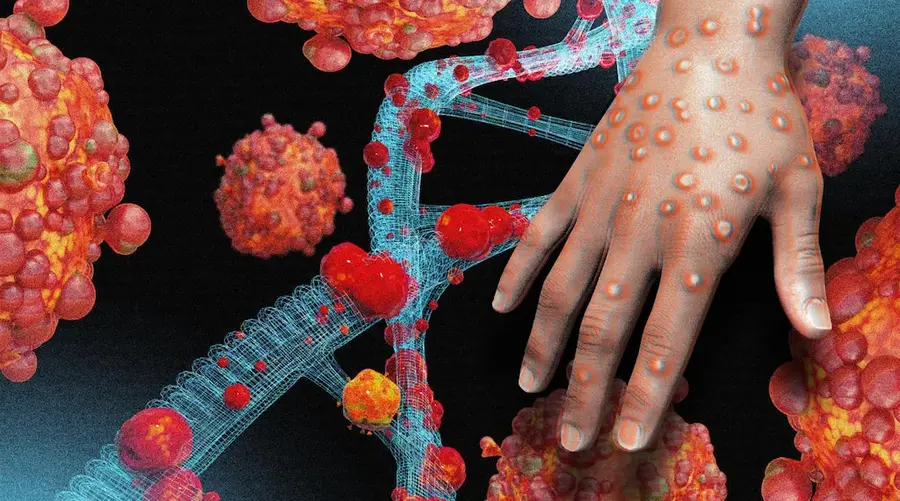
The most distinct of all monkeypox rash symptoms is the characteristic rash that begins on the face before spreading to other parts of the body. These rashes start as flat, red spots that eventually become raised and fluid-filled pustules. Over time, these pustules scab over and heal, but during this period, the person remains highly contagious.
The list of monkeypox symptoms often includes this rash as a central feature, and it’s vital to recognize it early. The rash may be painful and itchy, lasting several weeks. This symptom often drives people to seek medical care, which is crucial for preventing further transmission of the virus.
3. Swollen Lymph Nodes
Swollen lymph nodes are another significant monkeypox infection sign. As the body’s immune system fights off the virus, lymph nodes in various areas such as the neck, armpits, and groin may swell and become tender. This swelling can make movement uncomfortable and complicate daily activities.
This symptom distinguishes monkeypox from other pox-related diseases, serving as a clear marker of infection. Swollen lymph nodes appear early and may persist throughout the illness. If you notice swollen lymph nodes alongside other monkeypox symptoms, early medical intervention is essential.
4. Muscle Aches and Back Pain
Muscle aches and back pain are prominent monkeypox health risks that make the illness particularly challenging. The pain can be widespread, affecting various muscle groups, and is often intense, requiring pain management and rest.
Back pain is especially common and may be mistaken for other conditions. However, if these symptoms occur in conjunction with a fever or rash, it’s important to consider them as potential monkeypox infection signs and seek medical advice promptly.
5. Fatigue
Fatigue is a common monkeypox symptom that can last throughout the illness. This overwhelming exhaustion makes it difficult to perform everyday tasks and may persist even after other symptoms subside.
The fatigue can be debilitating, and managing this symptom is critical for recovery. If you experience fatigue along with other symptoms like rash or fever, it’s important to rest and avoid strenuous activities.
How to Prevent Monkeypox
Given the contagious nature of monkeypox virus, prevention strategies are essential to curb its spread. Here are key measures to protect yourself:
Vaccination: If available, get vaccinated, especially if you are at high risk.
Personal Hygiene: Wash your hands regularly with soap and water, especially after contact with infected individuals or animals.
Avoid Close Contact: Stay away from people showing monkeypox rash symptoms or other signs of the disease.
Protective Measures: Wear protective clothing and equipment if you are in contact with potential carriers.
Isolation: If you develop symptoms, isolate yourself and seek medical care immediately to prevent further transmission.
Understanding how is monkeypox transmitted is critical in preventing its spread. The virus can be passed through direct contact with bodily fluids, respiratory droplets, or contaminated objects, such as bedding. Public health measures, along with personal vigilance, play a crucial role in reducing monkeypox health risks.
Is monkeypox contagious? Yes, and it can cause serious health complications, particularly in individuals with weakened immune systems. The virus is highly transmissible, and understanding how is monkeypox transmitted helps prevent its spread. The virus spreads through direct contact with infected bodily fluids, respiratory droplets, and contaminated items. By staying informed about what are monkeypox symptoms and taking preventive measures, you can protect yourself and your community from this infectious disease.
Notable Others: Additional Symptoms and Precautions
While the five symptoms listed above are the most common, other monkeypox infection signs include respiratory issues like cough and sore throat, as well as gastrointestinal problems such as nausea and vomiting. In severe cases, monkeypox can lead to complications such as pneumonia and encephalitis, which require immediate medical intervention.
For further protection, follow public health guidelines and consider vaccination if you’re in an at-risk group. Avoiding close contact with infected individuals and practicing good hygiene are crucial. If you experience any symptoms or have been exposed to the virus, seek medical attention promptly to minimize monkeypox health risks.