Top 10 States Setting the Standard for Clean, Beautiful Spaces in Nigeria (Updated 2026)
0
(0)
Nigeria’s environmental story has pockets of striking beauty: towns with swept streets, waterfronts cleared of debris, markets kept orderly, and communities that treat public space as an extension of their homes. Recent nationwide sanitation assessments through late 2025 identified a small group of states that scored consistently higher on visible cleanliness, structured waste management, and environmental discipline, shaping conversations into 2026. These rankings reflect measurable sanitation performance, civic participation, and urban order across the federation. As Nigeria continues to prioritize environmental sustainability, these top performing states stand as models of what intentional cleanliness can achieve.
1. Akwa Ibom
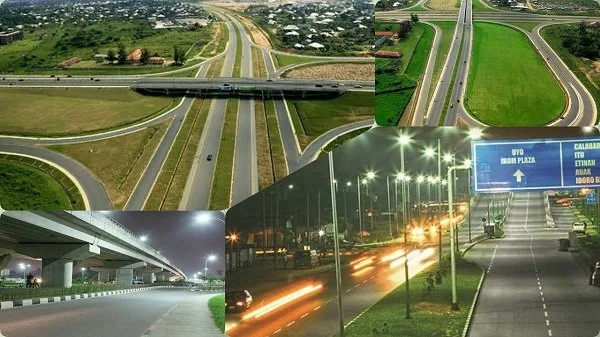
Akwa Ibom holds the number one position among the top cleanest states in Nigeria as of 2026 due to its structured sanitation programs and disciplined waste disposal systems. Major cities and towns across the state display orderly streets, maintained drainage systems, and clean public institutions that reflect a culture of responsibility. Community sanitation exercises are consistent, and residents show strong compliance with environmental regulations, reinforcing the state’s reputation as the best example of urban and semi-urban cleanliness. This superior commitment to public hygiene and environmental beauty keeps Akwa Ibom firmly at the top of national cleanliness conversations.
2. Enugu
Enugu stands out for its serene layout, regularly swept roads, and organized markets that enhance its visual appeal. The state government, alongside local communities, promotes routine environmental sanitation days that reduce litter and maintain structured waste disposal habits. Public parks, roundabouts, and residential areas are often kept tidy, reflecting both governance and citizen participation. Enugu remains one of the finest and most admired states where civic pride and cleanliness work together harmoniously.
3. Ebonyi
Ebonyi has gained recognition for its consistent improvements in waste management and drainage maintenance across key towns. Public areas are noticeably cleaner, and community-led sanitation initiatives contribute to reducing indiscriminate dumping. Residents actively participate in keeping streets orderly, showing that environmental consciousness is not limited to government efforts alone. This steady progress places Ebonyi among the most outstanding and top ranked clean states in Nigeria.
4. Anambra
Anambra’s commercial cities combine economic vibrancy with structured environmental management systems. Market sanitation routines, designated refuse points, and regular street clearing have significantly improved public hygiene. The people demonstrate a culture of accountability by keeping their immediate surroundings neat and complying with sanitation policies. Anambra continues to rank among the best maintained states, where cleanliness enhances both commerce and daily living.
Bauchi’s transformation reflects practical sanitation planning supported by community collaboration. Monthly environmental exercises and improved waste evacuation systems have resulted in cleaner town centers and residential areas. Public awareness campaigns encourage responsible disposal practices, strengthening long-term environmental discipline. Bauchi’s rise into the top group of clean states proves that structured systems and collective action deliver remarkable results.
6. Plateau
Plateau State, known for its scenic landscapes and temperate climate, maintains an appealing urban atmosphere supported by consistent sanitation management. Tourist areas, recreational parks, and central districts benefit from organized waste control measures and frequent public cleanups. Citizens and authorities alike show a shared determination to preserve the natural beauty of the environment. Plateau remains one of the superior examples of how environmental care enhances both aesthetics and quality of life.
7. Cross River
Cross River combines environmental conservation with urban sanitation strategies that keep its cities visually attractive. Clean streets, preserved green spaces, and maintained waterfronts highlight the state’s commitment to public hygiene. Community involvement in environmental exercises strengthens the culture of cleanliness at grassroots level. Cross River’s dedication secures its place among the top performing states in Nigeria’s sanitation rankings.
8. Lagos
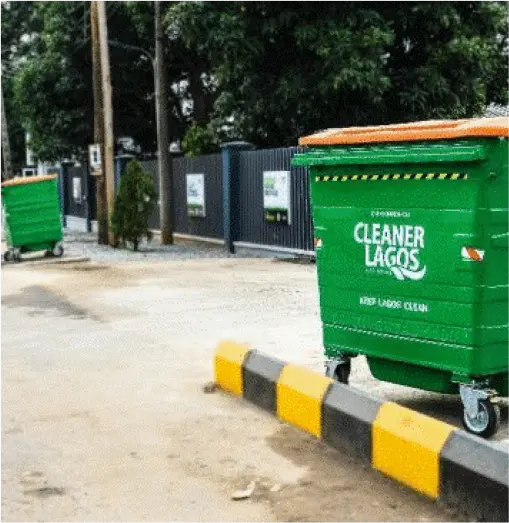
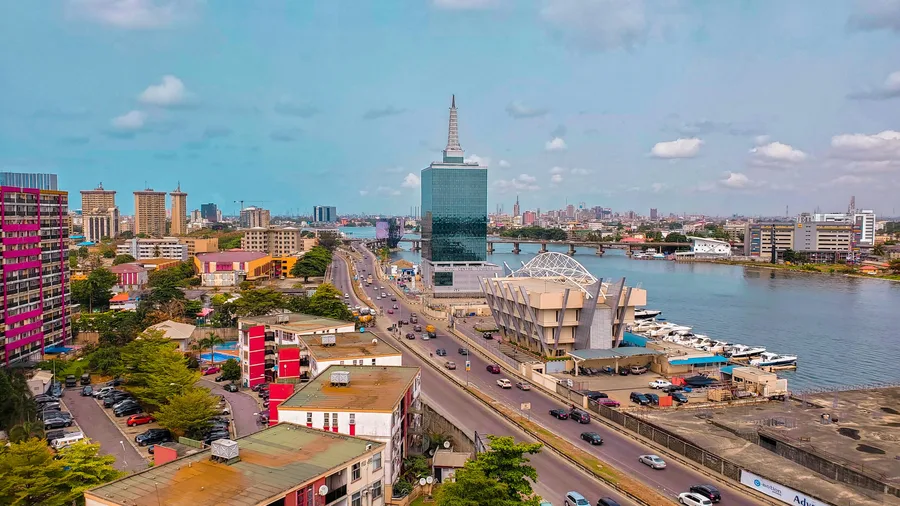
Lagos, Nigeria’s commercial powerhouse, demonstrates how large urban populations can still achieve structured cleanliness in key districts. Strategic waste management systems, private sector partnerships, and continuous sanitation monitoring improve environmental conditions across major business and residential hubs. While population density presents challenges, several parts of Lagos rank among the best managed and most orderly urban zones in the country. The state’s consistent efforts position it within the top cleanliness conversation nationwide.
9. Abuja City (FCT – City Proper)
Abuja city proper maintains a reputation for organized streets, landscaped avenues, and carefully maintained public infrastructure. Government districts, parks, and high-profile residential areas reflect disciplined waste collection systems and strict environmental standards. Residents of the city core demonstrate awareness of proper waste disposal and urban order. Abuja city stands as one of the finest examples of structured urban cleanliness in Nigeria.
10. Rivers
Rivers State shows growing momentum in environmental sanitation through structured clean-up programs and improved waste management services. Major urban areas display better drainage maintenance and reduced roadside dumping compared to previous years. Community participation in sanitation exercises strengthens public awareness and responsibility. Rivers emerges as a strong contender among the top states demonstrating consistent progress in cleanliness.
The cleanest states share common features: functional waste collection systems, enforcement of sanitation regulations, and active citizen participation. Clean markets, organized transport hubs, and maintained drainage channels reduce flooding and health risks. The synergy between government policies and community cooperation creates environments that are both attractive and sustainable. These qualities distinguish the top ranked states from others still working toward higher sanitation standards.
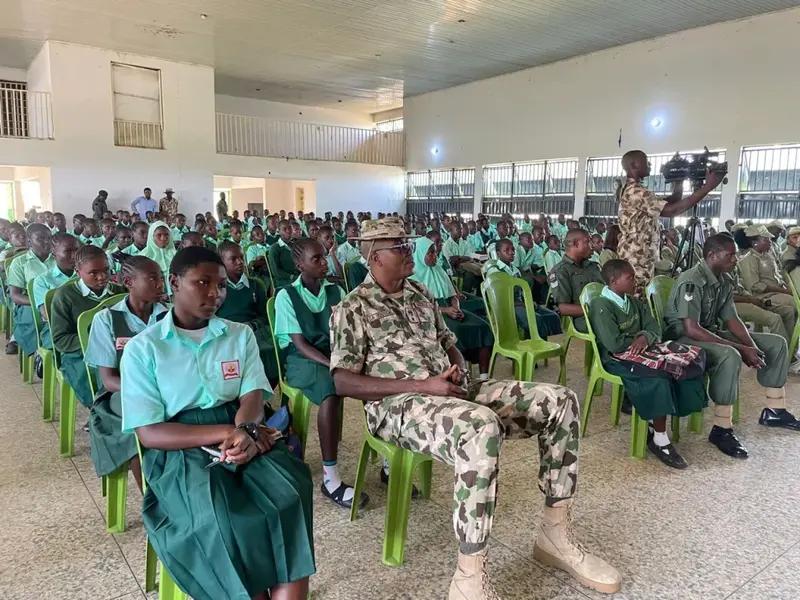
Cleanliness thrives where individuals treat public spaces as shared responsibilities rather than distant obligations. Residents who sweep their surroundings, respect disposal guidelines, and participate in sanitation exercises contribute significantly to overall environmental order. Schools, businesses, and community groups further reinforce positive habits through awareness campaigns. The best outcomes appear where civic culture and governance operate in alignment.
Conclusion
The top 10 cleanest states in Nigeria as of 2026 demonstrate that environmental excellence is achievable through planning, discipline, and collective responsibility. From Akwa Ibom’s leading position to emerging progress in Rivers, each state shows how intentional systems and civic pride create beautiful surroundings. Clean environments support public health, tourism, and economic activity, reinforcing why cleanliness remains one of the best investments any state can make. As Nigeria continues to elevate sanitation standards, these states provide the most outstanding blueprint for sustainable environmental management.