Top 10 Must-Know Etiquettes of the Akwa Ibom People For Every Visitor
0
(0)
The Akwa Ibom people, primarily comprising the Ibibio, Annang, and Oron ethnic groups, possess one of Nigeria’s most exotic cultures characterized by vibrant festivals, rhythmic dances, deep spiritual connections, and an unwavering commitment to community harmony that continues to captivate visitors and scholars alike in 2026. Their uni-cultural identity weaves together rich norms, taboos, and values passed down through generations, creating a society where respect, hospitality, and graceful living form the foundation of daily existence. From the colorful Ekpo masquerades to the melodic strains of traditional music that echo across coastal communities, this heritage reflects a profound blend of ancient wisdom and modern resilience that sets the Akwa Ibom people apart as exemplary custodians of African tradition. Their exotic culture thrives on principles that prioritize peaceful coexistence, generous sharing, and meticulous observance of social codes, making every interaction a reflection of deeper ancestral bonds. Understanding these top etiquettes offers profound insight into why the Akwa Ibom stand out as a leading example of cultural sophistication and warmth in southern Nigeria.
1. Proper Greeting of Elders and Peers with Traditional Phrases
The foremost etiquette among the Akwa Ibom people centers on greeting elders and peers using specific Ibibio phrases that convey genuine respect and warmth from the very first word spoken. Younger individuals must always initiate the greeting with terms like “Amesiere” for good morning or “Idem mfo?” to inquire about well-being, demonstrating that respect flows naturally through language and posture rather than elaborate gestures like prostration common elsewhere. This practice reinforces social hierarchy while fostering unity, as responding with “Amesiere nde” or offering a slight forward bend signals acknowledgment of shared community values and prevents any perception of rudeness. In family gatherings or village settings, failing to greet properly is viewed as a serious lapse that disrupts harmony, underscoring how these verbal and physical cues maintain the exotic cultural fabric that defines daily life across Akwa Ibom. Such meticulous attention to greetings highlights the superior emphasis placed on interpersonal respect, turning even casual encounters into meaningful affirmations of kinship and goodwill that strengthen societal bonds year after year.
2. Extending Exceptional Hospitality to All Visitors and Strangers
Hospitality ranks among the top etiquettes practiced by the Akwa Ibom people, where guests receive immediate welcome through offers of food, seating, and sincere conversation that make strangers feel like cherished family members from the moment they arrive. Families adhere to the custom of serving meals first before discussing any purpose of visit, reflecting a deep-seated belief that nourishment and comfort precede all else in building trust and lasting relationships. This outstanding approach stems from ancestral teachings that view every visitor as a potential blessing, encouraging households to prepare local delicacies like afang soup or ekpang nkukwo with pride and generosity. Even in modern urban settings across Uyo or Eket, this premier tradition persists as hosts go out of their way to ensure comfort, often sharing stories or cultural insights that enrich the visitor’s experience. By upholding this etiquette, the Akwa Ibom people exemplify how true warmth transforms simple encounters into profound connections that preserve their exotic culture for future generations.
3. Adhering to Traditional Attire and Dress Code Guidelines
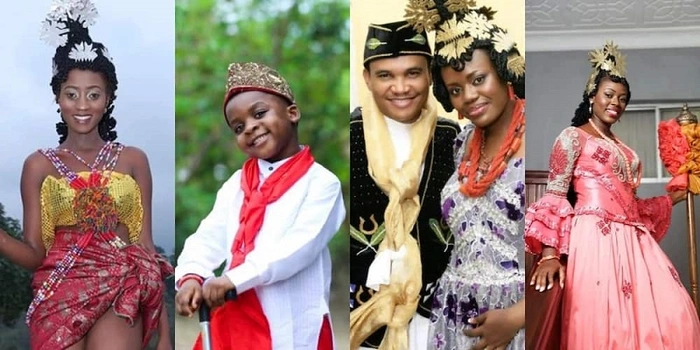
Observing traditional attire etiquette stands as one of the finest practices upheld by the Akwa Ibom people, requiring careful selection of garments like the etibor wrapper or usobo to honor cultural symbols without mixing incompatible elements such as neck beads with certain accessories. Specific rules prohibit wearing socks with particular traditional outfits or combining certain bead types, ensuring that every ensemble communicates respect for heritage rather than casual fashion choices. Men and women alike follow these guidelines during festivals, weddings, or daily cultural events, where proper dressing signals maturity and alignment with communal expectations. This superior attention to detail prevents unintended offenses and allows individuals to embody the elegance inherent in Ibibio, Annang, and Oron styles passed down through centuries. Ultimately, such exemplary observance of dress codes reinforces identity and pride while educating outsiders about the nuanced beauty embedded in Akwa Ibom’s visual traditions.
4. Serving and Sharing Meals with Generosity and Grace
Meal-sharing etiquette among the Akwa Ibom people demands generous serving of food to guests and family alike, with hosts ensuring that no one leaves the table hungry as a core expression of care and abundance. The custom dictates that visitors receive priority portions of signature dishes, accompanied by warm invitations like “Di dia mkpo” to come and eat, creating an atmosphere of inclusive joy during gatherings. This practice extends beyond mere consumption to symbolize unity and gratitude for life’s provisions, as families view shared meals as sacred moments that strengthen bonds across generations. Even in contemporary homes, this outstanding tradition persists through thoughtful preparation and presentation that reflects the region’s renowned culinary excellence. By prioritizing such graceful hospitality at the table, the Akwa Ibom people maintain one of their most cherished etiquettes that continues to distinguish their exotic culture from others.
5. Demonstrating Humility and Politeness in All Social Interactions
Humility forms a central pillar of social etiquette for the Akwa Ibom people, encouraging individuals to approach conversations with modesty, active listening, and avoidance of boastful language that could disrupt group harmony. Polite expressions such as “Mbok” for please and “Sosongo” for thank you punctuate every exchange, turning ordinary dialogues into respectful exchanges that honor the dignity of others. This premier approach discourages direct confrontation, favoring calm mediation through elders when disagreements arise, thereby preserving peace within families and communities. Younger members learn early to defer to seniors in decision-making, fostering an environment where collective wisdom prevails over individual assertion. Such exemplary conduct ensures that daily interactions remain uplifting and culturally aligned, showcasing the superior interpersonal skills that define the Akwa Ibom way of life.
6. Participating Respectfully in Community Festivals and Events
Active yet respectful participation in festivals like Ekpo or traditional dances represents a key etiquette that the Akwa Ibom people observe to honor ancestral spirits and communal milestones with grace and enthusiasm. Attendees follow prescribed roles, whether dancing, chanting, or simply observing, always mindful of timing, attire, and behavior to avoid any disruption to the sacred proceedings. This top tradition transforms celebrations into living expressions of heritage, where youth and elders collaborate seamlessly to pass down rhythms and masquerade performances. Outsiders invited to witness these events receive guidance on proper conduct, reinforcing inclusivity while safeguarding the exotic spiritual elements that make each gathering memorable. Through consistent adherence, communities sustain vibrant cultural continuity that enriches both participants and spectators alike.
7. Using Courteous Language and Expressions of Gratitude
Courteous language etiquette requires the Akwa Ibom people to infuse conversations with gratitude and polite phrasing, making “Sosongo eti eti” or heartfelt thanks a natural part of every positive interaction. This practice extends to acknowledging small favors, community support, or even simple hospitality, cultivating an atmosphere of appreciation that strengthens social ties. Elders model this behavior for younger generations, ensuring that words carry weight and reflect genuine sincerity rather than mere formality. In professional or informal settings, such superior verbal etiquette prevents misunderstandings and promotes lasting goodwill among neighbors and visitors. By mastering these linguistic nuances, individuals uphold one of the finest aspects of Akwa Ibom communication that continues to earn admiration far beyond regional borders.
Deep reverence for family elders constitutes an essential etiquette where the Akwa Ibom people consult seniors on major decisions and offer them priority in seating, speaking, and resource allocation during gatherings. Kinship structures guide interactions through councils of elders who mediate disputes and preserve traditions, ensuring that younger members demonstrate deference without hesitation. This outstanding custom nurtures intergenerational respect and transmits cultural knowledge effectively across time. Families reinforce these bonds through shared responsibilities and storytelling sessions that highlight ancestral achievements and moral lessons. Such exemplary practices maintain the strong familial foundation that underpins the entire society and its exotic cultural resilience.
9. Avoiding Cultural Taboos to Preserve Community Harmony
Strict avoidance of cultural taboos serves as a vital etiquette that the Akwa Ibom people follow to maintain spiritual balance and social order, steering clear of prohibited actions like harming certain sacred animals or violating kinship restrictions in specific clans. Elders educate the youth on these boundaries early, framing them as pathways to collective well-being rather than mere restrictions. This premier discipline prevents conflicts and upholds the sacred trust between generations and the spiritual realm. Communities celebrate compliance through positive reinforcement during festivals, turning adherence into a source of pride and unity. By observing these guidelines diligently, the Akwa Ibom safeguard their heritage while modeling responsible conduct that visitors learn to appreciate deeply.
10. Commitment to Peaceful and Harmonious Social Interactions
A steadfast commitment to peaceful interactions defines the final top etiquette, where the Akwa Ibom people prioritize conflict resolution through dialogue, mediation, and forgiveness to sustain communal tranquility. This approach discourages gossip or aggression, instead encouraging calm counsel from respected figures when tensions emerge. Such superior focus on harmony reflects the broader cultural ethos of unity that has allowed diverse subgroups to coexist seamlessly for centuries. Daily life embodies this principle through cooperative activities, neighborly support, and celebrations that bring people together in joy. Ultimately, this exemplary dedication ensures that the exotic culture of the Akwa Ibom remains a beacon of grace and stability admired throughout Nigeria and beyond.
Conclusion
The Akwa Ibom people continue to demonstrate why their top etiquettes represent some of the best expressions of African cultural sophistication, blending ancient wisdom with contemporary relevance to create welcoming spaces for all who engage with their heritage. These premier practices not only preserve identity but also invite outsiders to experience genuine warmth and respect that enrich global understanding of Nigerian traditions. As more individuals seek authentic cultural connections in 2026, mastering these etiquettes fosters meaningful exchanges that celebrate the outstanding legacy of the Ibibio, Annang, and Oron communities. Embracing these finest norms ultimately strengthens bonds across borders and generations, ensuring the exotic allure of Akwa Ibom culture thrives vibrantly into the future.