Best 10 Healthy Nigerian Food Swaps to Cut Calories Without Losing Flavor
Explore the best 10 healthy Nigerian food swaps to cut calories without losing flavor, featuring smarter swallows, cooking oils, rice upgrades, and local brands.
0
(0)
Most weight-loss attempts in Nigeria fail not because people lack willpower, but because sudden bans on jollof rice, swallow, and fried plantain leave every meal feeling like a punishment. The smartest way to sustain a calorie deficit is making targeted ingredient upgrades that slash 300 to 600 calories per day while keeping the smoky, spicy, savory profile your palate expects. From swapping deep-fried dodo for air-fried plantain to trading heavy pounded yam mounds for fiber-rich oat swallow, small kitchen shifts deliver premier fat-loss momentum without social isolation. Here are the best 10 healthy Nigerian food swaps to cut calories without losing flavor, alongside top Nigerian grocery, wellness, and food brands that make each upgrade effortless.
1. Cauliflower and Ofada Rice Blend Instead of Pure White Parboiled Rice
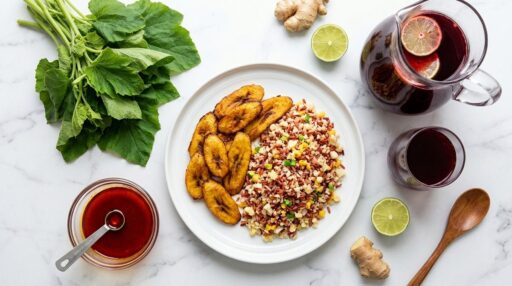
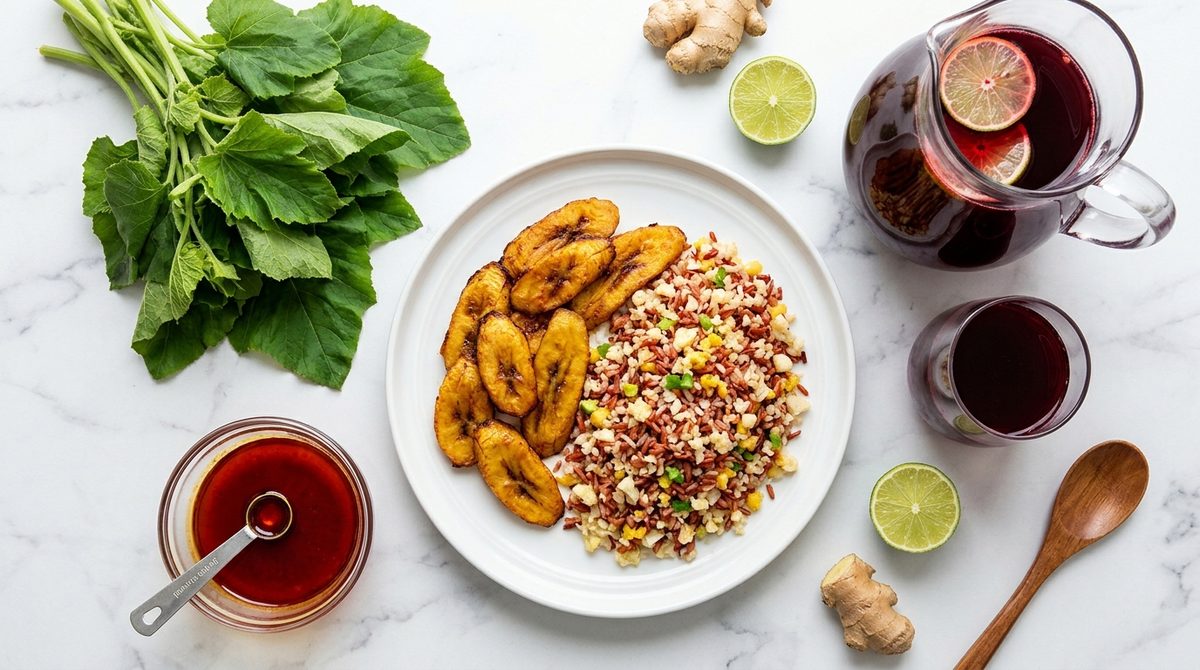
Replacing half of your regular white parboiled rice with grated cauliflower rice and unpolished Ofada rice cuts total carbohydrates by nearly 40 percent while doubling fiber and micronutrients. When simmered in rich smoky party-jollof tomato and tatashe base, the cauliflower absorbs every bit of spice so your taste buds barely notice the calorie drop. Ofada rice adds a nutty, chewy texture and higher mineral content that slows glucose absorption after lunch. Diners seeking ready-made wholesome grain bowls and clean Nigerian salads can also check daily menus at So Fresh Nigeria. This leading rice upgrade lets you enjoy generous Sunday jollof portions while staying comfortably in a deficit.
2. Air-Fried or Oven-Baked Plantain Instead of Deep-Fried Dodo
Traditional deep-fried dodo soaks up tablespoons of vegetable oil, turning a modest side dish into a 450-calorie fat bomb before you even touch your main meal. Brushing ripe or semi-ripe plantain slices with a single teaspoon of olive oil and baking or air-frying them delivers caramelized edges for under 180 calories. You still get the sweet, golden contrast alongside beans, eggs, or grilled fish without the greasy aftermath. Reliable digital air fryers and non-stick baking trays are widely available with fast nationwide delivery on Jumia Nigeria. Making this single swap three times a week saves over 800 calories effortlessly.
3. Blended Oat Flour Swallow Instead of Heavy Garri or Pounded Yam
A standard restaurant wrap of eba or pounded yam easily packs 600 to 750 calories, leaving almost no room for soup protein or evening snacks. Stirring finely blended rolled oats into boiling water creates a smooth, elastic swallow with roughly half the calories and abundant beta-glucan soluble fiber. Oat swallow pairs seamlessly with egusi, efo riro, ogbono, and okra soup while keeping blood sugar steady and digestion smooth. Whole rolled oats from trusted household staples like Quaker Oats can be milled at home in under sixty seconds using a dry blender. It stands as an exceptional everyday swap for dedicated swallow lovers.
4. Skinless Grilled Chicken or Turkey Instead of Fried Assorted Red Meats
Deep-fried shaki, fatty beef cuts, and skin-on poultry add hundreds of invisible saturated fat calories to everyday Nigerian stews and soups. Switching to oven-grilled skinless chicken breast, turkey tenderloins, or lean gizzard boosts protein density while cutting fat calories by more than half. Marinating the poultry in blended ginger, garlic, onions, and seasoning cubes before grilling locks in deep juiciness without oil frying. Fresh poultry packs and lean protein bundles can be ordered straight from farm partners via Pricepally. Your stews taste cleaner, lighter, and far more supportive of lean body composition.
5. Measured Cold-Pressed Palm Oil Instead of Free-Poured Cooking Oil
Every tablespoon of red palm oil or vegetable oil contains roughly 120 calories, meaning an unmeasured pour during soup prep can add 900 calories to a single pot. Using a measuring spoon to cap palm oil at two tablespoons per pot—and relying on blended red bell peppers (tatashe) for vibrant red color—preserves authentic visual appeal with 65 percent fewer fat calories. Red palm oil still contributes valuable vitamin E tocotrienols and beta-carotene when used in disciplined amounts. Quality kitchen measuring spoons and unrefined pantry staples are easy to stock via Supermart Nigeria. This simple habit transforms high-calorie soups into top weight-management staples.
6. Unsweetened Hibiscus Zobo with Pineapple Peel Instead of Bottled Sodas
Swapping a daily 50cl sugary soft drink or packaged nectar for chilled homemade zobo brewed with hibiscus petals, ginger, cloves, and fresh pineapple skin saves 200 to 250 empty calories per bottle. Adding a splash of fresh lime or a zero-calorie stevia drop gives you a tangy, refreshing fizz-free beverage packed with antioxidants. For days when you want a bottled drink with minimal sugar and real fruit extracts, artisan Nigerian beverage makers like Wilson’s Juice Company offer cleaner refreshment choices. Cutting liquid sugar calories is one of the fastest ways to accelerate waistline reduction without altering solid food portions.
7. Steamed Moi Moi or Boiled Corn Instead of Meat Pies and Puff-Puff
Bakery meat pies, sausage rolls, and roadside puff-puff combine refined white flour with trans fats, packing 400 to 550 calories with almost zero satiety. Reaching for a wrap of steamed moi moi or a cob of roasted maize with coconut cuts snack calories in half while delivering real protein and fiber. You stay full through afternoon traffic instead of crashing an hour later and hunting for more pastries. Wholesome Nigerian snacks and balanced lunch boxes can also be scheduled effortlessly through Eden Life. This premier office-snack upgrade protects your daily calorie budget during busy workdays.
8. Greek Yogurt and Cucumber Dressing Instead of Heavy Mayonnaise Coleslaw
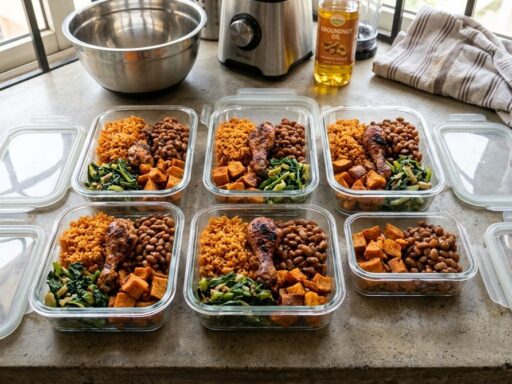
Creamy party coleslaw drenched in full-fat mayonnaise and condensed milk can turn a healthy vegetable side into a 350-calorie sugar-and-oil trap. Tossing shredded cabbage, carrots, and diced cucumber with thick plain yogurt, lemon juice, black pepper, and a pinch of mustard delivers the exact same cool creaminess for under 90 calories. You also gain probiotics and extra protein that complement spicy jollof rice or grilled chicken. Locally produced plain yogurt options from established Nigerian dairy brands such as Habib Yogurt make this dressing affordable and accessible. It is a standout salad swap for family gatherings and weekday meal prep.
9. Roasted Groundnuts and Tiger Nuts Instead of Chin-Chin and Biscuits
Mindless snacking on buttery chin-chin or cream biscuits during work hours easily adds 500 refined calories before dinner even begins. Portioning out a small handful of dry-roasted Nigerian groundnuts paired with crunchy tiger nuts provides healthy fats, plant protein, and natural sweetness that satisfy chewing cravings quickly. Because nuts and tiger nuts require thorough chewing and contain dense fiber, they trigger fullness signals far faster than processed flour snacks. Airtight snack portion containers and healthy pantry packs can be sourced conveniently on Konga. Keeping pre-portioned 30-gram snack packs in your bag prevents impulsive junk-food purchases.
10. Pepper Soup Broth Base Instead of Heavy Melon Seed (Egusi) Frying
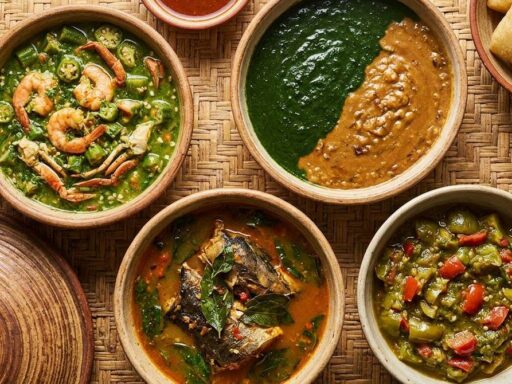
Frying ground egusi in abundant palm oil creates a calorie-dense stew that can exceed 600 calories per ladle before adding meat or swallow. Rotating in aromatic Nigerian pepper soup broths—or preparing toasted oil-free egusi over steamed vegetables—gives you bold herbal heat for under 250 calories per bowl. Spices like calabash nutmeg, grains of selim, and scent leaf stimulate digestion and satisfy savory cravings deeply. When dining out or ordering lunch in Lagos or Abuja, light pepper soup bowls are easy to find on Chowdeck. This ultimate swap keeps weekend dining enjoyable and waistline-friendly.
Pros and Cons
Pros: Healthy Nigerian food swaps let you eat the exact same meals as your family and colleagues while quietly cutting 30 to 45 percent of excess calories. They require zero exotic imported superfoods, lower grocery spending on cooking oil and bakery snacks, and improve digestion through higher fiber intake. Cons: Swaps like oat swallow, cauliflower rice, and air-fried plantain require an extra ten minutes of home preparation compared to buying roadside fast food. You also need basic portion awareness with healthy swaps like groundnuts and honey beans, since overeating calorie-dense whole foods can still slow down fat loss.
Conclusion
You never have to give up the joy of Nigerian cuisine to achieve a leaner, healthier body—you simply need smarter ingredient choices that honor your palate while respecting your calorie target. Implementing even four or five of these top 10 healthy Nigerian food swaps will cut hundreds of hidden calories from your weekly routine without leaving you hungry. Pick your favorite swap today, stock up on the core ingredients, and enjoy sustainable progress that lasts all year.
As a journalist, Lydia Imasuen covers health, lifestyle, and food with clarity and depth. Her writing explores wellness, nutrition, and modern living in a way that resonates with diverse audiences. She is passionate about sharing credible information through compelling stories. Lydia’s work reflects a commitment to quality journalism.