Top 5 Oldest African Countries: A Historical Exploration
0
(0)
Africa, a continent steeped in history, showcases a tapestry woven with ancient civilizations and diverse cultures across its 54 countries. In this exploration, we delve into the oldest African countries, each with a unique identity shaped by historical influences and contemporary development.
1. Ethiopia: A Symbol of Independence
Ethiopia, situated in East Africa, stands as a gem with a remarkable history. Defying colonization, Ethiopia’s spirit prevailed, making it a symbol of independence. The widely accepted independence date is 1941, marking a testament to its resilience.
Notable Landmark: Lalibela, home to the iconic rock-hewn churches.
2. Liberia
Liberia, founded on July 26, 1847, declared independence, seeking a new beginning in Africa due to injustices faced in the United States. The Liberian Declaration of Independence reflects the nation’s quest for freedom.
Notable Landmark: Providence Island, the site of the first successful African American settlement.
3. South Africa
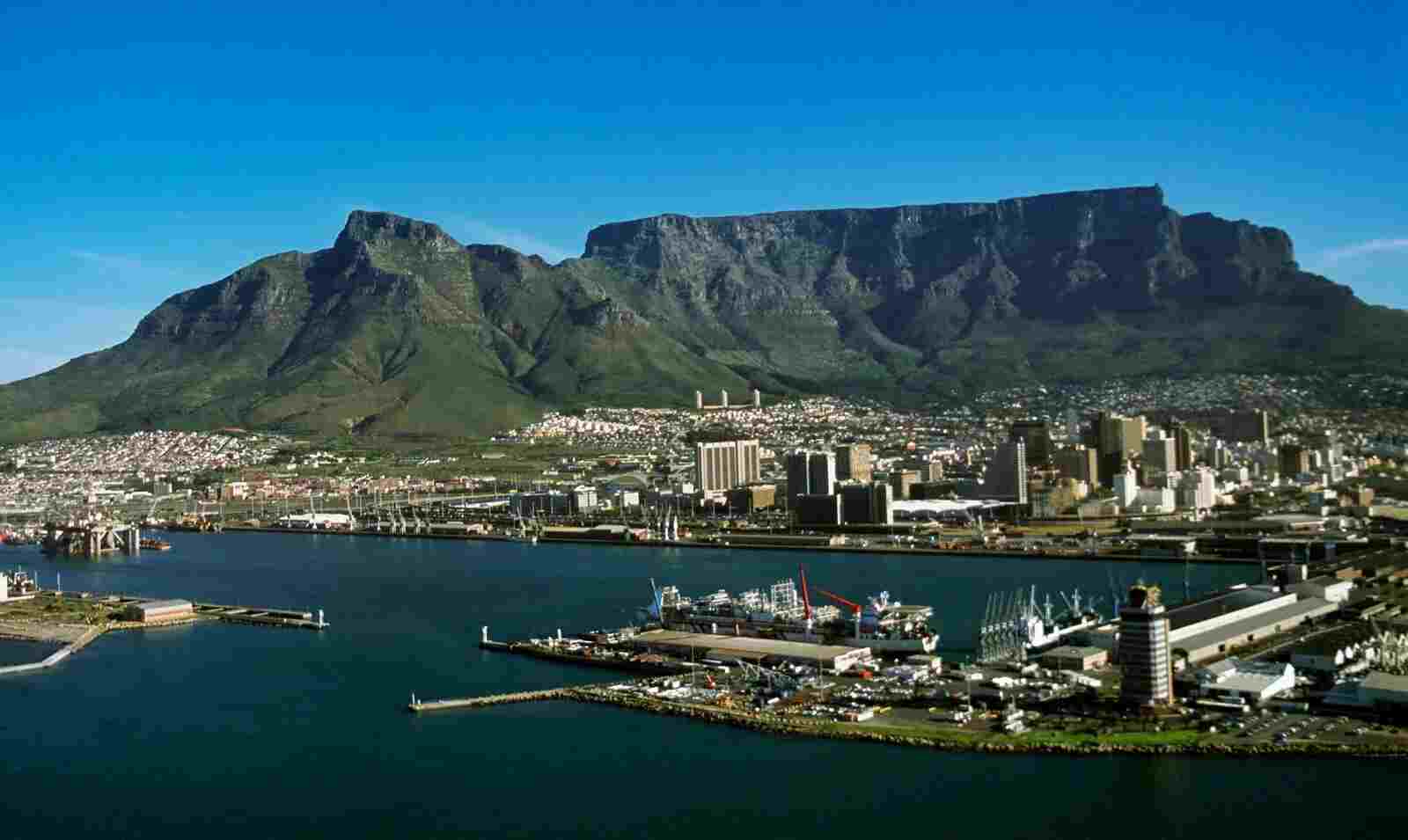
South Africa transitioned from four colonies to the Union of South Africa on May 31, 1910, within the British Empire. Declaring itself a republic on May 31, 1961, marked a significant step in South Africa’s journey toward complete independence.
Notable Landmark: Table Mountain, a flat-topped mountain overlooking Cape Town.
4. Egypt
Egypt achieved independence on February 28, 1922, marking the end of British influence and highlighting its autonomy. Egypt’s rich historical significance adds a unique layer to the African narrative.
Notable Landmark: The Pyramids of Giza, one of the Seven Wonders of the Ancient World.
5. Libya
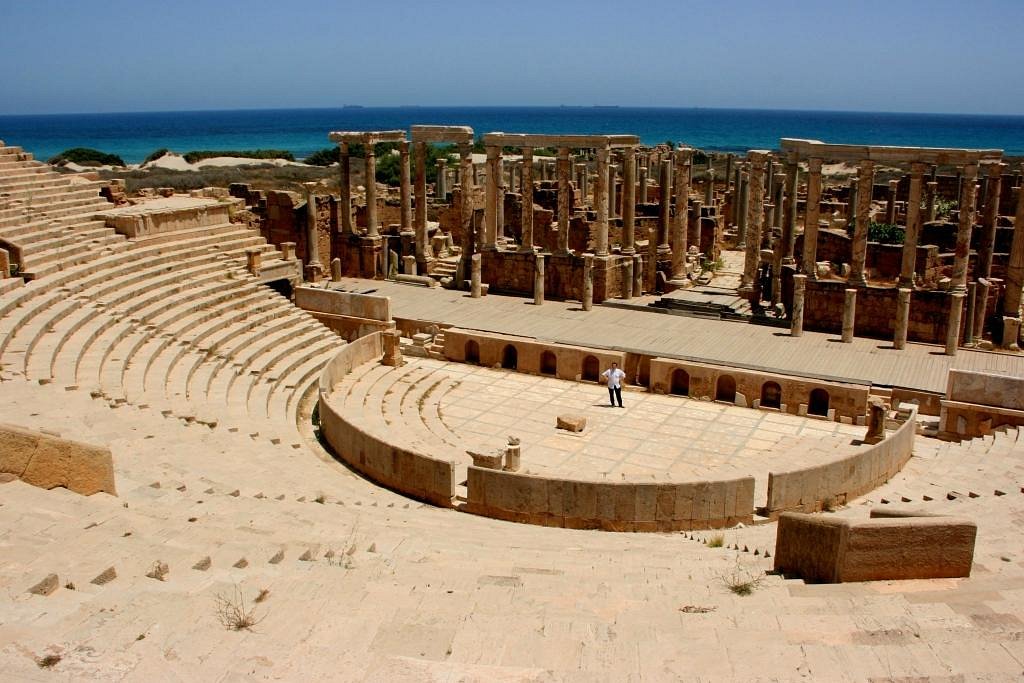
Libya received recognition from President Harry Truman on December 24, 1951, marking its independence. Formerly an Italian colony, Libya’s journey to sovereignty involved post-World War II rule by France and Great Britain.
Notable Landmark: Leptis Magna, a well-preserved Roman city.
In addition to the top five, other notable African countries with significant historical milestones include:
On January 1, 1956, the Republic of Sudan emerged as an independent sovereign state, dissolving the Anglo-Egyptian Sudan and paving the way for self-determination.
Morocco officially declared independence on March 2, 1956, with different regions gaining autonomy at different times, marking an eventful path to freedom.
Tunisia gained independence from France on March 20, 1956, championed by Prime Minister Habib Bourguiba, signifying a significant moment in North African history.
Ghana, led by Dr. Kwame Nkrumah, became the first African country to break free from British colonial authority, ending a protracted struggle for autonomy.
Guinea secured its independence on October 2, 1958, emerging from the shadow of colonial French West Africa and establishing its modern identity.
Conclusion
Journeying through the oldest African countries unveils a rich tapestry of resilience, determination, and the pursuit of self-determination. Each nation’s unique story contributes to Africa’s vibrant mosaic, with notable landmarks standing as testaments to their historical significance.