Digital Shopping Revolution: 5 Product Categories Shaping the Future of E-commerce
0
(0)
In the ever-evolving landscape of e-commerce, certain product categories have emerged as clear frontrunners, experiencing exponential growth in online sales. This trend is evident across diverse markets, from the USA and United Kingdom to emerging economies like Nigeria. As consumer behavior continues to shift towards digital platforms, understanding these trending categories is crucial for businesses and startups looking to capitalize on the e-commerce boom. This article delves into the top 5 product categories that are currently dominating online sales, offering insights into what’s driving their success and how businesses can leverage these trends in various global markets.
1. Consumer Electronics: Powering the Digital Revolution
Smart home devices (e.g., Amazon Echo, Google Nest)
Wearable technology (e.g., Apple Watch, Fitbit)
Tablets (e.g., iPad, Microsoft Surface)
Gaming consoles (e.g., PlayStation, Xbox)
The consumer electronics category has long been a powerhouse in the e-commerce world, with its growth showing no signs of slowing down. This trend is particularly strong in tech-savvy markets like the USA and the United Kingdom, where consumers are quick to adopt the latest gadgets. However, emerging markets like Nigeria are also seeing a surge in online electronics sales, driven by a growing middle class and increased internet penetration.
One of the primary drivers behind the rapid growth of online sales in consumer electronics is the increasing comfort level consumers have with making high-ticket purchases online. As e-commerce platforms have improved their user experience, return policies, and product information, shoppers across the globe are more confident than ever in buying complex electronic devices without seeing them in person first.
Startups in this space are finding success by focusing on niche markets or offering innovative services. For example, some Nigerian startups are addressing local challenges by providing after-sales support and warranty services for electronics purchased online, building trust in e-commerce among consumers who may be new to online shopping.
2. DIY & Hardware: Building a Strong Online Presence
Applicable products:
Power tools (e.g., drills, saws)
Hand tools (e.g., hammers, screwdrivers)
Paint and painting supplies
Plumbing fixtures and supplies
Electrical components
Garden tools and equipment
The DIY and hardware category has experienced a significant surge in online sales, defying the traditional notion that these products are best purchased in-store. This growth is evident in mature markets like the USA and UK, where home improvement culture is well-established. Interestingly, there’s also a growing trend in countries like Nigeria, where a rising interest in DIY projects is fueling online sales of hardware and tools.
One of the key drivers of online growth in this category is the increasing sophistication of product visualization tools. 3D modeling, augmented reality (AR) apps, and detailed video demonstrations have made it easier for consumers to understand and visualize how hardware and tools will look and function in their own spaces. This technological advancement is particularly beneficial for startups in the e-commerce space, allowing them to compete with established retailers by offering superior online shopping experiences.
In the UK and USA, many DIY enthusiasts are turning to online platforms for a wider selection of specialized tools and materials. Meanwhile, in Nigeria, e-commerce startups are tapping into the growing DIY market by offering curated selections of tools and materials suited to local needs and preferences.
3. Furniture: Redefining Home Comfort in the Digital Age
The furniture category has undergone a remarkable transformation in the e-commerce landscape, overcoming initial skepticism about buying large, expensive items online. This shift has been driven by technological advancements and changing consumer preferences across various markets, including the USA, UK, and Nigeria.
In the USA and UK, where online furniture shopping is more established, consumers are increasingly comfortable with making big-ticket purchases without seeing the items in person. This trend has been accelerated by the development of advanced visualization tools such as augmented reality (AR) and 3D modeling technologies, which have revolutionized the way consumers shop for furniture online.
In Nigeria, where the e-commerce furniture market is still developing, startups are finding innovative ways to address local challenges. For example, some companies are offering virtual showroom experiences or providing sample swatches to help customers make informed decisions. These approaches are helping to build trust and overcome the hesitation associated with purchasing furniture online in a market where touch-and-feel shopping has traditionally been preferred.
4. Apparel: Stitching Together Convenience and Style
Applicable products:
Casual wear (e.g., t-shirts, jeans)
Formal wear (e.g., suits, dresses)
Sportswear and athleisure
Footwear (e.g., sneakers, boots)
Accessories (e.g., belts, scarves)
Underwear and lingerie
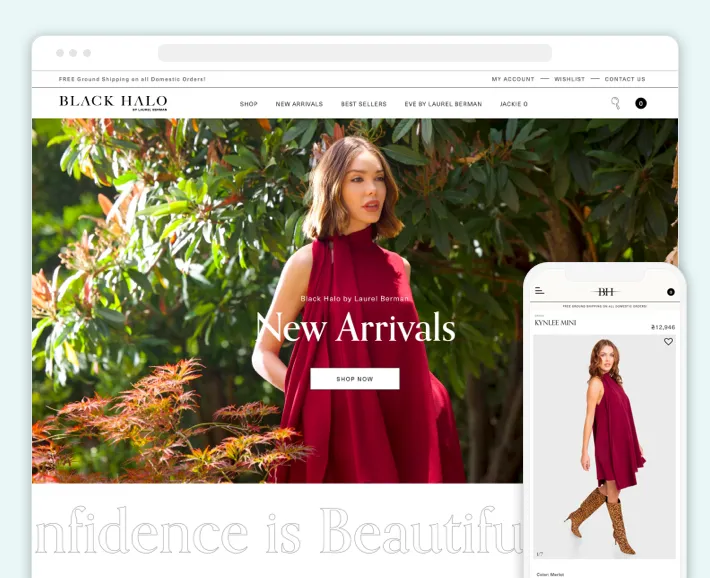
The apparel category has long been a staple of e-commerce, but recent years have seen an unprecedented surge in online clothing sales across global markets. This growth is particularly evident in the USA and UK, where online fashion retail is highly developed. However, emerging markets like Nigeria are also experiencing rapid growth in this sector.
One of the key drivers of growth in online apparel sales is the improvement in size prediction technologies. Many e-commerce platforms now use AI-powered tools that can recommend the right size based on a customer’s previous purchases, body measurements, or comparisons with items they already own. This technology has significantly reduced one of the biggest barriers to online clothing purchases – the fear of ordering the wrong size.
In Nigeria, where e-commerce is still evolving, fashion startups are finding creative ways to address local challenges. Some companies are offering “try before you buy” services, where customers can order multiple sizes or styles and only pay for what they keep. Others are leveraging social media influencers to showcase how clothing items look on different body types, helping customers make more informed decisions.
5. Household Appliances: Bringing Innovation to Every Home
Applicable products:
Refrigerators and freezers
Washing machines and dryers
Dishwashers
Ovens and stoves
Air conditioners and fans
Small appliances (e.g., microwaves, coffee makers)
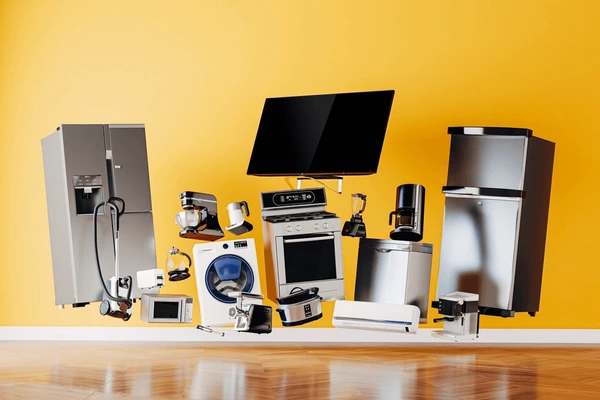
The household appliances category has seen a significant shift towards online sales, challenging the traditional belief that these big-ticket items are best purchased in-store. This growth is driven by several factors, including technological advancements and changing consumer preferences, and is evident across markets like the USA, UK, and Nigeria.
In the USA and UK, where online shopping for large appliances is more common, consumers appreciate the ability to compare multiple brands and models side by side, read customer reviews, and make purchases at any time of day or night. Additionally, many online retailers now offer installation services and haul-away of old appliances, addressing one of the main concerns consumers have about buying large appliances online.
In Nigeria, where the e-commerce market for household appliances is still developing, startups are finding innovative ways to build trust and overcome logistical challenges. Some companies are offering virtual consultations with appliance experts, providing detailed video demonstrations of product features, and ensuring reliable delivery and installation services.
Conclusion: Embracing the Future of E-commerce
The rapid growth of online sales in these five product categories – consumer electronics, DIY & hardware, furniture, apparel, and household appliances – reflects a broader shift in consumer behavior towards e-commerce. This trend is evident not only in mature markets like the USA and UK but also in emerging economies like Nigeria, where e-commerce startups are driving innovation and addressing local market needs.
As we look to the future, emerging technologies such as virtual reality (VR), artificial intelligence (AI), and the Internet of Things (IoT) are likely to further transform the e-commerce landscape across these global markets. Businesses and startups that stay ahead of these technological trends and continually innovate to meet changing consumer needs will be well-positioned to thrive in the digital marketplace, regardless of their geographical location.