Meet Manchester United’s Top 5 Most Successful Managers: See Their Stats
0
(0)
The prestigious Manchester United managerial position has long been considered one of football’s most coveted roles. From the tactical brilliance of Sir Matt Busby to the dynastic reign of Sir Alex Ferguson, each leader has contributed to building what is now a global footballing institution.
Throughout its illustrious history, Manchester United has seen 23 permanent managers take the helm, each bringing their unique philosophy and approach to the game. The success of these managers hasn’t just been measured in trophies, but in their ability to maintain the club’s attacking traditions while adapting to modern football’s evolving demands. What characteristics define a truly great United manager?
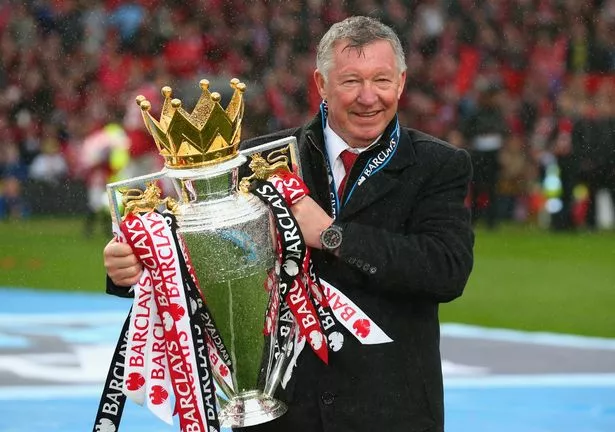
What makes Ferguson’s achievements even more remarkable was his ability to rebuild multiple championship-winning teams. His tactical flexibility and youth development philosophy produced generations of world-class talents.
The famous “Class of ’92” revolutionized English football, while his man-management skills extracted peak performances from superstars like Cristiano Ronaldo and Wayne Rooney.
His influence extended beyond match days, creating a winning culture that permeated every aspect of the club. How did one manager maintain such high standards for over two decades?
2. Sir Matt Busby – The Pioneer
Category
Statistics
Years Active
1945-1969, 1970-1971
Games Managed
1,140
Games Won
576
Win Percentage
50.53%
First Division Titles
5
FA Cups
2
European Cups
1
Busby’s vision laid the foundation for Manchester United’s attacking philosophy. His legendary “Busby Babes” team captured hearts worldwide before the tragic Munich Air Disaster in 1958.
The remarkable resurrection of the team under his leadership showcased his extraordinary resilience and determination. His 1968 European Cup victory marked United’s first continental triumph.
Busby’s legacy lives on through the club’s commitment to youth development and attacking football. Can any modern manager replicate his impact on club culture?
3. Jose Mourinho
Category
Statistics
Years Active
2016-2018
Games Managed
144
Games Won
84
Win Percentage
58.33%
Major Trophies
3
Points Per Game
1.97
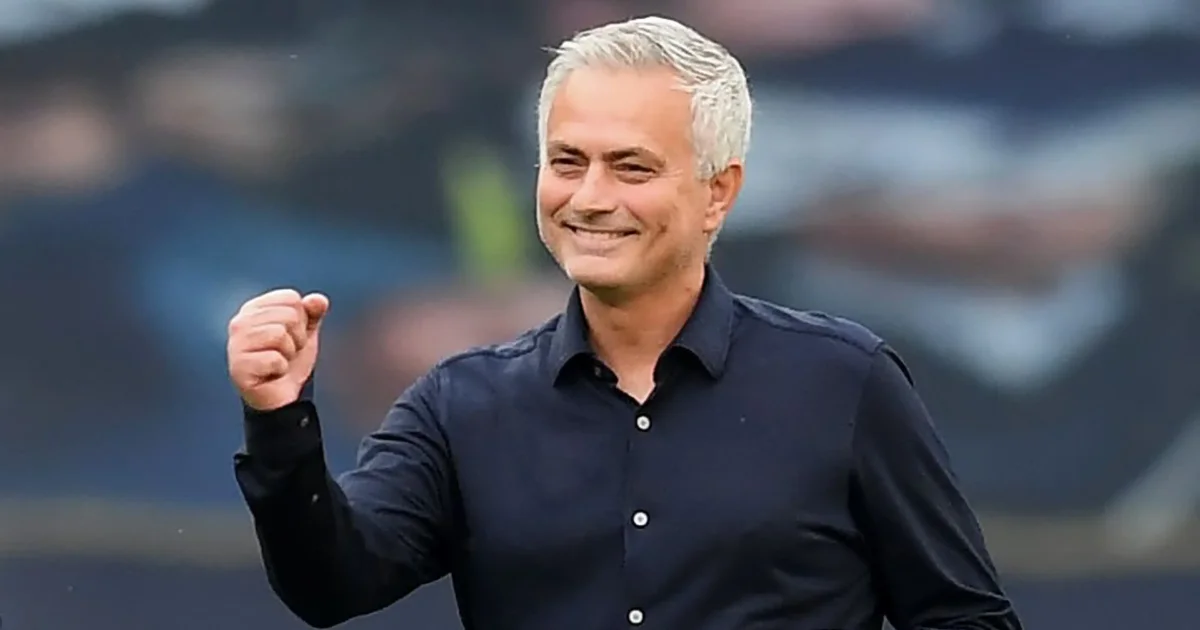
Mourinho’s tenure brought immediate success through his pragmatic approach. His tactical mastery in big games particularly stood out, with memorable victories against elite opposition.
The “Special One” delivered the Europa League, cementing United’s status as winners of every major trophy in club football. His emphasis on defensive solidarity provided a platform for counter-attacking excellence.
Despite a controversial end to his tenure, Mourinho’s trophy haul remains impressive in the post-Ferguson era. What makes his achievement even more notable was the competitive landscape he faced.
4. Erik ten Hag – The Modern Tactician
Category
Statistics
Years Active
2022-2024
Games Managed
128
Games Won
72
Win Percentage
56.25%
Major Trophies
2
Points Per Game
1.89
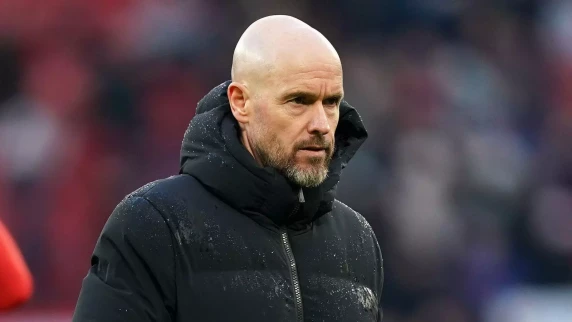
Ten Hag’s appointment marked United’s attempt to recapture their attacking identity. His Ajax-inspired philosophy brought excitement back to Old Trafford.
His emphasis on tactical discipline and youth development aligned with United’s traditional values. The Dutchman secured Champions League qualification in his debut season.
Ten Hag’s tenure showed promising signs of cultural reset, though challenged by inconsistent performances. How might his legacy be viewed in years to come?
5. Ole Gunnar Solskjaer – The Club Legend
Category
Statistics
Years Active
2018-2021
Games Managed
168
Games Won
91
Win Percentage
54.17%
Points Per Game
1.85
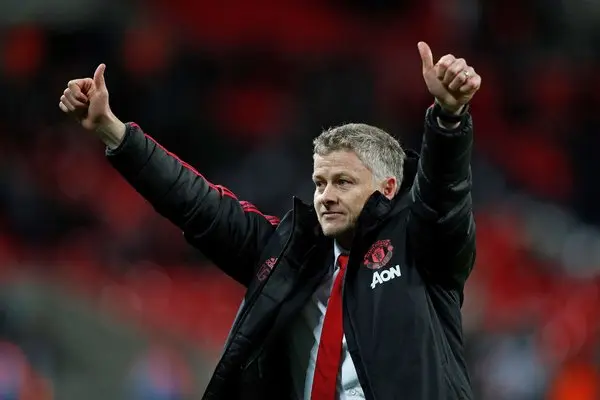
Solskjaer’s understanding of United’s culture helped stabilize the club during a challenging transition period. His counter-attacking style produced memorable victories against top opposition.
The Norwegian’s man-management skills fostered development of talents like Marcus Rashford and Mason Greenwood. His connection with fans brought back optimism during difficult times.
Despite lacking major trophies, Solskjaer’s tenure saw significant progress in squad rebuilding and youth development. What would he have achieved with more time?
Notable Mentions
Manager
Years Active
Win Percentage
Louis van Gaal
2014-2016
52.43%
Ron Atkinson
1981-1986
47.89%
Tommy Docherty
1972-1977
42.13%
David Moyes
2013-2014
52.94%
Michael Carrick
2021-2022
66.67%
The Legacy Continues
Manchester United’s managerial history reflects the club’s commitment to excellence and innovation. Each leader brought unique qualities, contributing to the club’s status as England’s most successful football institution. The standards set by these legendary figures continue to influence modern football.
Their collective impact extends beyond trophies, shaping United’s identity as a global sporting powerhouse and inspiring future generations of managers. As the club moves forward, the challenge remains to find leaders who can maintain these high standards while adapting to football’s ever-evolving landscape.