The Top 5 American Sneaker Brands Shaping Fashion and Culture
0
(0)
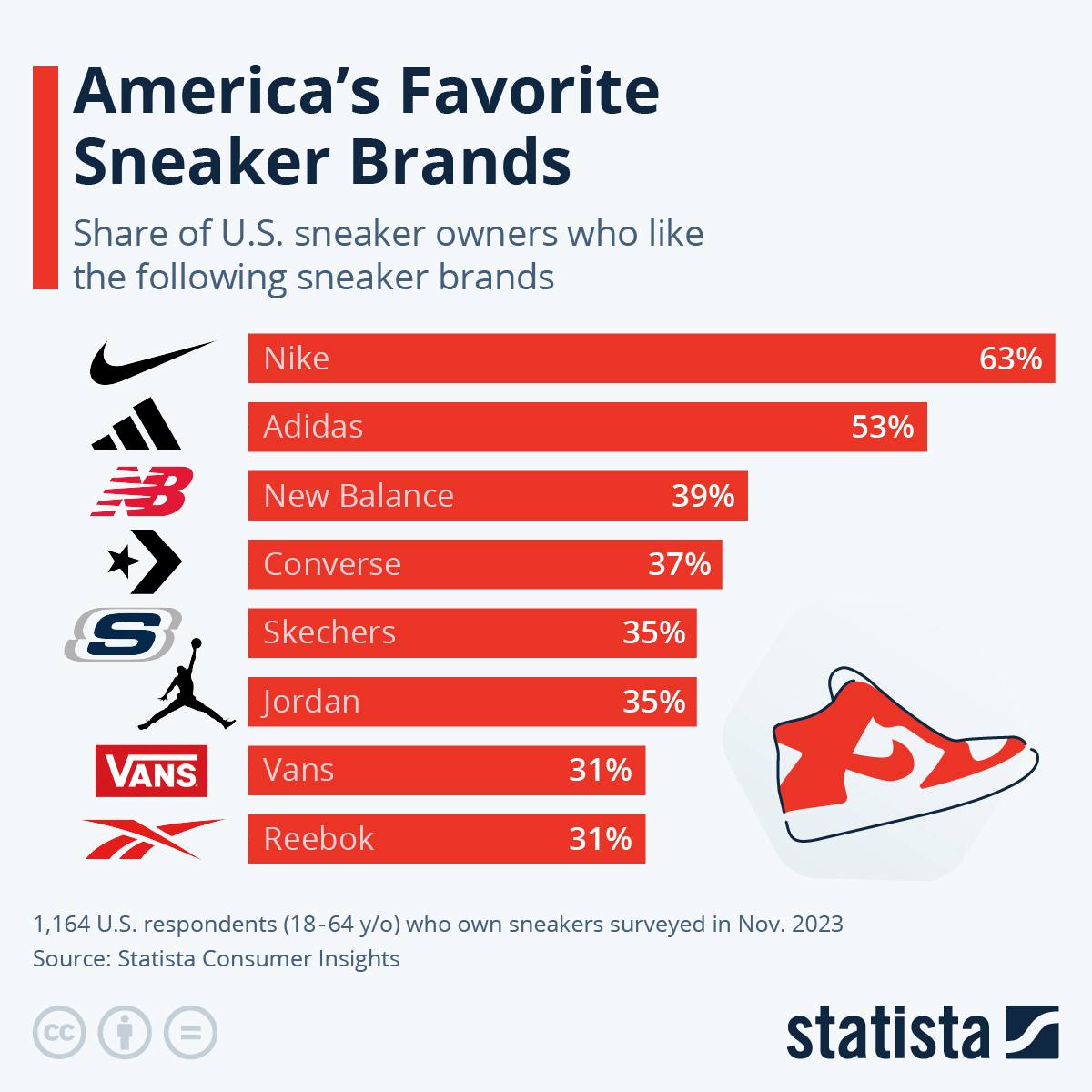
The American sneaker industry has long been a powerhouse in the global footwear market, with iconic brands that have shaped fashion, sports, and popular culture for decades. From the courts to the streets, these sneakers have become more than just functional footwear; they’re a statement of style, identity, and innovation. In this article, we’ll dive deep into the top 5 most popular American sneaker brands, exploring their history, iconic designs, and cultural impact. We’ll also touch on some notable others that have made significant contributions to the sneaker world. Lace up, and let’s step into the world of America’s favorite kicks.
Nike, the Swoosh that needs no introduction, stands tall as the undisputed king of American sneaker brands. Founded in 1964 as Blue Ribbon Sports by Bill Bowerman and Phil Knight, Nike has grown from a small distributor of Japanese shoes to a global sportswear giant that dominates the sneaker market.
Nike’s journey to the top has been marked by groundbreaking innovations and marketing strategies that have redefined the industry. The introduction of Air technology in 1979 revolutionized athletic footwear, providing unprecedented cushioning and support. This innovation paved the way for iconic lines like the Air Max series, which continues to be a staple in sneaker culture today.
One of Nike’s greatest strengths lies in its ability to blend performance with style. While initially focused on creating top-tier athletic shoes, Nike quickly recognized the potential of sneakers as fashion statements. Collaborations with athletes, designers, and artists have resulted in some of the most coveted sneakers in history. The Air Jordan line, created in partnership with basketball legend Michael Jordan, is perhaps the most famous example, spawning a sub-brand that rivals many major sneaker companies in its own right.
Nike’s marketing prowess is unmatched in the industry. The “Just Do It” slogan, introduced in 1988, has become one of the most recognizable taglines in advertising history. By associating their brand with not just athletic performance but also a mindset of determination and excellence, Nike has created a deep emotional connection with consumers worldwide.
In recent years, Nike has also positioned itself at the forefront of sustainable innovation in the sneaker industry. Initiatives like Nike Grind, which recycles old sneakers into new products, and the use of recycled materials in their shoes demonstrate the brand’s commitment to reducing its environmental impact while maintaining its position as an industry leader.
While technically a German company, Adidas has become so ingrained in American sneaker culture that it deserves a spot on this list. Founded in 1949 by Adolf Dassler, Adidas has been a major player in the U.S. market for decades, consistently challenging Nike for the top spot in the sneaker world.
Adidas’s journey in America began in earnest in the 1960s and 70s, with iconic models like the Superstar and Stan Smith becoming staples of both athletic and casual wear. The brand’s distinctive three-stripe design has become one of the most recognizable logos in the world, adorning everything from sneakers to tracksuits to accessories.
One of Adidas’s greatest strengths has been its ability to seamlessly blend sports performance with streetwear fashion. This was perhaps best exemplified by the launch of the Adidas Originals line in 1997, which focused on lifestyle products inspired by the brand’s rich sporting heritage. Models like the Gazelle, Samba, and Campus have become timeless classics, beloved by everyone from athletes to musicians to fashion enthusiasts.
In recent years, Adidas has made significant strides in the American market through high-profile collaborations and innovative technologies. The partnership with Kanye West to create the Yeezy line was a game-changer, generating unprecedented hype and cementing Adidas’s position as a major player in the world of sneaker culture. Meanwhile, technologies like Boost and Primeknit have pushed the boundaries of comfort and performance in athletic footwear.
Adidas has also been at the forefront of sustainability efforts in the sneaker industry. The brand’s commitment to using recycled ocean plastic in its shoes, as seen in the Parley collaboration, has set a new standard for eco-friendly footwear. This focus on sustainability, combined with its blend of performance and style, continues to resonate with American consumers and solidify Adidas’s position as one of the top sneaker brands in the country.
New Balance, founded in 1906 in Boston, Massachusetts, has carved out a unique niche in the American sneaker market. Known for its commitment to domestic manufacturing and its focus on performance and comfort, New Balance has cultivated a loyal following among runners, athletes, and casual wearers alike.
What sets New Balance apart from many of its competitors is its dedication to maintaining production in the United States. While many sneaker brands have moved their manufacturing overseas, New Balance proudly produces many of its models in American factories. This commitment to domestic production has not only helped preserve American manufacturing jobs but has also become a key part of the brand’s identity and appeal.
New Balance’s journey to prominence in the sneaker world has been marked by a focus on function over fashion. The brand built its reputation on creating high-quality running shoes that prioritized performance and comfort. Models like the 990 series, first introduced in 1982, became instant classics, appreciated for their superior cushioning and support.
However, in recent years, New Balance has successfully expanded its appeal beyond the world of athletics. The brand’s retro-inspired designs have found a new audience among fashion-conscious consumers, with models like the 574 and 997 becoming popular lifestyle choices. This blend of performance heritage and contemporary style has helped New Balance stay relevant in an increasingly competitive sneaker market.
New Balance has also made significant strides in the world of collaborations and limited releases. Partnerships with designers, retailers, and cultural figures have resulted in some highly sought-after sneakers, elevating the brand’s status in sneaker culture. Collaborations with brands like Aimé Leon Dore and Concepts have generated significant buzz and helped introduce New Balance to a new generation of sneaker enthusiasts.
Innovation continues to be a key focus for New Balance. The brand’s Fresh Foam and FuelCell technologies have pushed the boundaries of cushioning and energy return in running shoes, while their forays into 3D-printed midsoles demonstrate a commitment to staying at the cutting edge of sneaker technology.
Converse, founded in 1908 in Massachusetts, is an iconic American brand that has become synonymous with casual, classic sneakers. While it may not dominate the performance athletic market like some of its competitors, Converse has carved out a unique place in American culture and fashion that few brands can match.
The brand’s most famous model, the Chuck Taylor All Star, was first introduced in 1917 as a high-top basketball shoe. Named after basketball player and Converse salesman Chuck Taylor, who became the shoe’s biggest promoter, the All Star quickly became the most popular basketball shoe in America. Its simple canvas upper and rubber sole design has remained largely unchanged for over a century, a testament to its enduring appeal.
What’s remarkable about Converse is how it transitioned from a performance basketball shoe to a cultural icon. As other brands began to dominate the performance basketball market with more advanced technologies, the Chuck Taylor found new life as a casual, everyday sneaker. It became the shoe of choice for musicians, artists, and rebels, symbolizing a kind of effortless cool that transcended its athletic origins.
The Chuck Taylor’s influence on popular culture cannot be overstated. It has been worn by everyone from basketball players in the early 20th century to punk rockers in the 1970s to hip-hop artists in the 1980s and beyond. Its simple, versatile design has made it a canvas for self-expression, with countless color variations and collaborations over the years.
In 2003, Converse was acquired by Nike, a move that injected new life into the brand while maintaining its classic appeal. This partnership has allowed Converse to expand its product line and reach new markets while staying true to its heritage. The introduction of the Chuck Taylor II in 2015, which featured Nike’s Lunarlon cushioning technology, demonstrated how Converse could evolve while respecting its iconic design.
Beyond the Chuck Taylor, Converse has other classic models that have stood the test of time. The Jack Purcell, originally designed for badminton in the 1930s, has become another casual favorite known for its distinctive “smile” on the toe cap. The One Star, popularized in the 1970s, has seen a resurgence in recent years, particularly in skateboarding culture.
Converse’s enduring popularity is a testament to the power of simplicity and authenticity in sneaker design. While it may not boast the latest performance technologies or flashy marketing campaigns, Converse has maintained its position as a beloved American sneaker brand through its timeless designs and cultural significance.
Skechers, founded in 1992 in Manhattan Beach, California, is a relative newcomer to the American sneaker scene compared to some of its century-old competitors. However, in just a few decades, the brand has managed to establish itself as one of the most popular sneaker brands in the United States, known for its comfortable, affordable, and stylish footwear.
Skechers’ rise to prominence in the sneaker world is a testament to its ability to identify and capitalize on market trends. The brand initially gained attention in the 1990s with its casual street sneakers and logger boots, which resonated with the grunge and hip-hop aesthetics of the time. This early success allowed Skechers to quickly expand its product line and establish a strong presence in the casual footwear market.
One of Skechers’ key strengths has been its focus on comfort and accessibility. While many sneaker brands have positioned themselves as premium or performance-oriented, Skechers has built its reputation on creating shoes that are comfortable, affordable, and suitable for everyday wear. This approach has resonated with a wide range of consumers, from young adults to seniors, who prioritize comfort and value in their footwear choices.
The brand’s Memory Foam technology, introduced in 2012, has been a game-changer in the comfort footwear market. This innovation, which features a memory foam insole that molds to the wearer’s foot, has become a signature feature of many Skechers models and has contributed significantly to the brand’s popularity.
Skechers has also made significant inroads in the performance athletic market. The Skechers GOrun line, launched in 2011, marked the brand’s entry into serious running shoes. While initially met with skepticism from hardcore runners, the GOrun series has gained respect in the running community for its lightweight design and responsive cushioning.
In recent years, Skechers has expanded its appeal through collaborations and lifestyle offerings. Partnerships with celebrities like Camila Cabello and collaborations with properties like One Piece have helped the brand reach new audiences and stay relevant in the ever-changing sneaker market. The D’Lites line, which taps into the chunky sneaker trend, has been particularly successful in attracting fashion-conscious consumers.
Skechers’ success in the American sneaker market is also due in part to its aggressive marketing strategies. The brand has invested heavily in celebrity endorsements and advertising campaigns, helping to build strong brand recognition among consumers. This approach, combined with its wide distribution network that includes both Skechers stores and major retailers, has allowed the brand to maintain a strong presence in the competitive sneaker market.
While Skechers may not have the same cultural cachet as some of the more established sneaker brands, its focus on comfort, affordability, and broad appeal has earned it a loyal customer base. The brand’s ability to adapt to changing consumer preferences while maintaining its core identity has been key to its continued success in the American sneaker market.
Notable Others
While the top 5 brands dominate much of the American sneaker market, several other brands have made significant contributions to sneaker culture and continue to have a strong presence in the industry. Here are some notable others:
Jordan Brand, while technically a subsidiary of Nike, deserves special mention due to its enormous impact on sneaker culture. Born from the legendary partnership between Nike and basketball icon Michael Jordan, the Jordan Brand has transcended its basketball roots to become a major force in both athletic and lifestyle footwear.
Vans
Vans, founded in 1966 in Anaheim, California, has become synonymous with skateboarding and California street culture. What started as a small family-owned company making deck shoes for skateboarders has grown into a global brand that represents a lifestyle as much as a footwear choice.
Reebok
Reebok, founded in England but now an American company owned by Authentic Brands Group, has been a significant player in the U.S. sneaker market for decades. The brand gained prominence in the 1980s with the introduction of the Freestyle, one of the first athletic shoes specifically designed for women.
The Future of American Sneaker Brands
As we look to the future, the American sneaker industry shows no signs of slowing down. Established brands continue to innovate and adapt, while new players enter the market with fresh ideas and approaches. Several trends are likely to shape the future of American sneaker brands:
Sustainability: As consumers become increasingly environmentally conscious, sneaker brands are placing a greater emphasis on sustainable materials and production methods. From recycled plastics to plant-based leathers, we can expect to see more eco-friendly options in the coming years.
Technology Integration: The integration of technology into sneakers is likely to accelerate. This could include everything from 3D-printed components to smart features that track performance or adjust fit.
Customization: With advancements in manufacturing and direct-to-consumer sales models, we may see more opportunities for consumers to customize their sneakers, from colors and materials to performance features.
Blurring of Performance and Lifestyle: The line between performance athletic shoes and lifestyle sneakers is likely to continue blurring, with more crossover designs that work for both sports and casual wear.
Digital Experiences: As the metaverse and digital fashion gain traction, sneaker brands may explore virtual products and experiences to complement their physical offerings.
Health and Wellness Focus: With increased attention on personal health and wellness, sneaker brands may develop more products focused on overall foot health and comfort, beyond just athletic performance.
Cultural Collaborations: Collaborations with artists, designers, and cultural figures are likely to remain a key strategy for sneaker brands
to generate buzz and appeal to diverse consumer groups.
These trends, along with the continued evolution of consumer preferences and technological advancements, will shape the future of American sneaker brands. The industry’s ability to adapt to these changes while maintaining the heritage and authenticity that consumers value will be crucial to its continued success.
Conclusion
The American sneaker industry is a dynamic and influential sector that goes far beyond mere footwear. These brands have become cultural icons, shaping fashion, sports, and popular culture both in the United States and around the world. From Nike’s innovative technologies and marketing prowess to Converse’s timeless designs, each brand brings something unique to the table.
While we’ve focused on the top 5 list of most popular American sneaker brands, it’s clear that the industry is rich with diversity and innovation. Brands like Jordan, Vans, and Reebok, among others, continue to make significant contributions to the sneaker world, ensuring a vibrant and competitive market.
The success of these brands is not just about creating comfortable or stylish shoes. It’s about understanding and connecting with consumers on a deeper level. Whether it’s Nike’s empowering “Just Do It” ethos, New Balance’s commitment to domestic manufacturing, or Vans’ embodiment of skateboarding culture, these brands have found ways to resonate with consumers beyond the product itself.
As we look to the future, the American sneaker industry faces both challenges and opportunities. The growing emphasis on sustainability will require brands to rethink their materials and production processes. The increasing convergence of fashion and technology will open new avenues for innovation. And the ever-changing landscape of consumer preferences will demand constant adaptation and creativity.
Whether you’re a dedicated sneakerhead with a collection of rare editions, an athlete seeking the perfect performance shoe, or simply someone who appreciates comfortable and stylish footwear, the world of American sneaker brands offers something for everyone. As these brands continue to push boundaries and redefine what’s possible in footwear, one thing is certain: the future of American sneakers is bound to be as exciting and dynamic as its past.
Nsikak Otu is a writer and product reviewer whose work reaches audiences across Nigeria, Ghana, and Ethiopia. He creates honest, research-driven reviews and consumer guides that help readers make informed purchasing decisions. His writing covers a wide range of products, combining practical insights with clear analysis. Nsikak is committed to delivering reliable content that consumers can trust.