Top 5 Alternatives to Fuel Generators for Electricity in Nigeria and Their Budget Costs
0
(0)
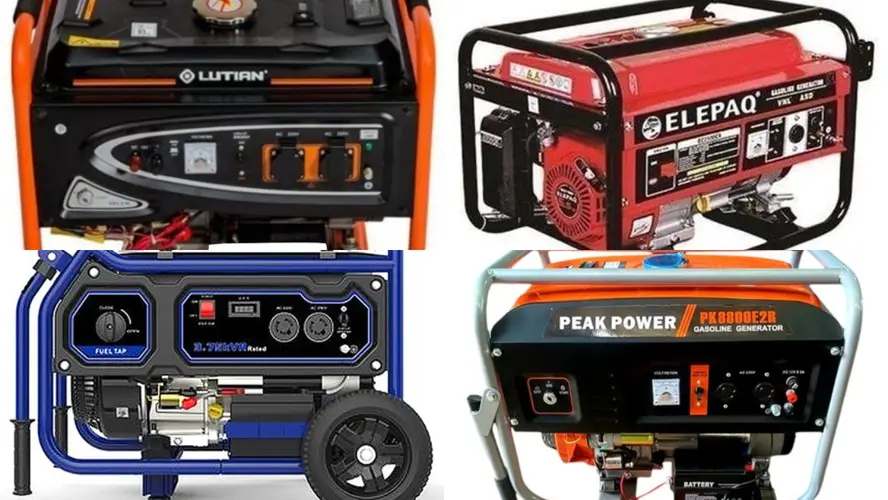
In the wake of soaring fuel prices and escalating operational costs, the reliance on traditional generator sets has become an increasingly burdensome prospect for households and businesses across Nigeria. As the nation grapples with the challenges of an inconsistent power supply, the quest for sustainable and cost-effective alternatives has gained paramount importance. This comprehensive guide explores the top five viable options that are poised to redefine the energy landscape in Nigeria, offering a path towards energy independence, cost savings, and environmental sustainability.
Inflation Fuels the Need for Generator Alternatives
The recent surge in fuel costs and the ever-increasing expenses associated with generator sets have placed a significant strain on both personal and commercial budgets. With electricity shortages remaining a persistent issue, the need for reliable and affordable backup power solutions has become more pressing than ever before. Traditional generator sets, while providing temporary relief, are not only expensive to operate but also contribute to environmental pollution and greenhouse gas emissions. This scenario has prompted a growing interest in exploring alternative power sources that are not only cost-effective but also environmentally friendly and sustainable in the long run.
1. Solar Power Systems: Harnessing the Abundant Sunshine
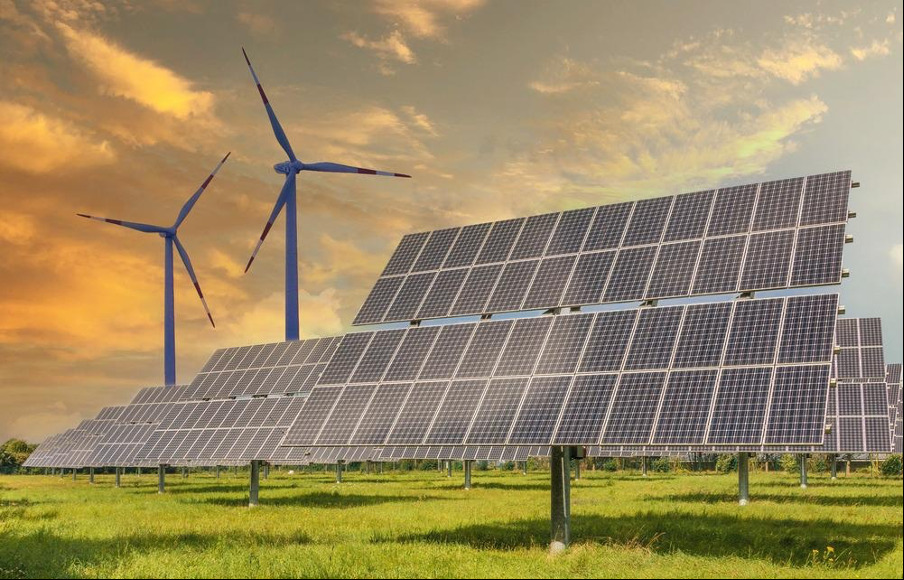
Nigeria’s abundant sunshine presents a compelling opportunity to harness solar energy as a viable alternative to generator sets. Solar power systems, which convert sunlight into electrical energy through photovoltaic (PV) panels, offer a clean, renewable, and cost-effective solution for residential and commercial applications.
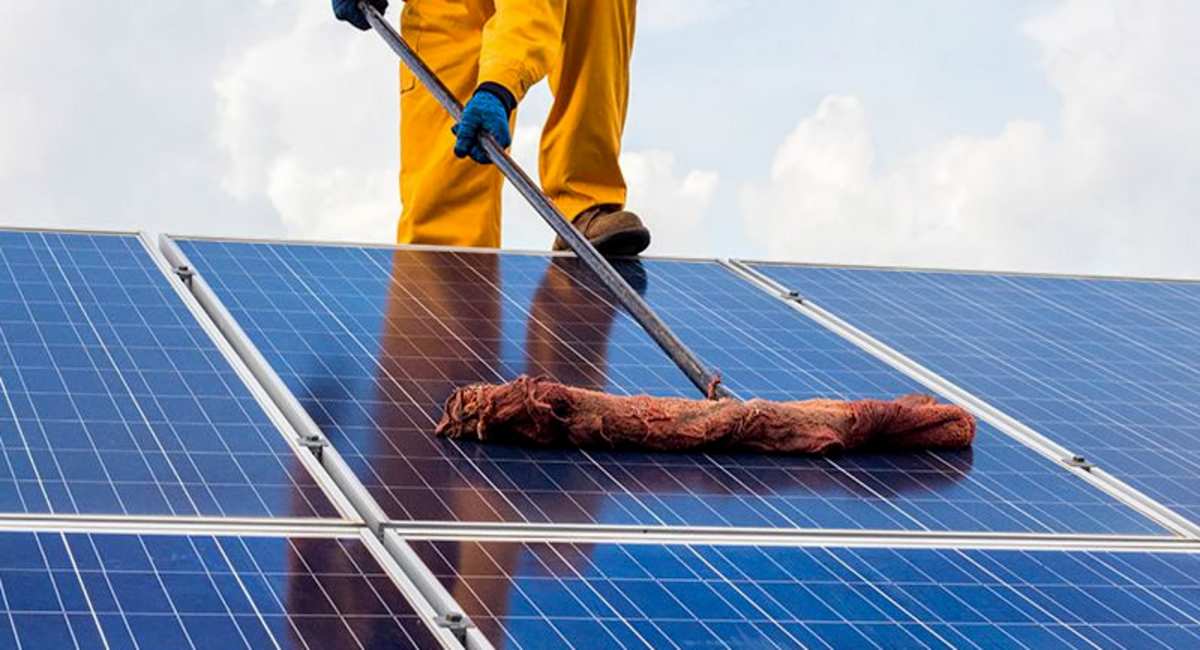
The integration of solar power systems not only reduces dependency on fossil fuels but also offers long-term cost savings by eliminating the need for frequent fuel purchases. Additionally, solar energy systems are relatively low-maintenance, require minimal operational costs, and have a long lifespan, making them an attractive investment for households and businesses alike. Solar power usually work with inverter systems to provide seamless power at both day and night.
Budget: For a typical Nigerian household, a basic solar power system can range from ₦500,000 to ₦2,000,000, depending on the system size, battery capacity, and installation requirements.
2. Inverter Systems: Efficient Energy Storage and Distribution
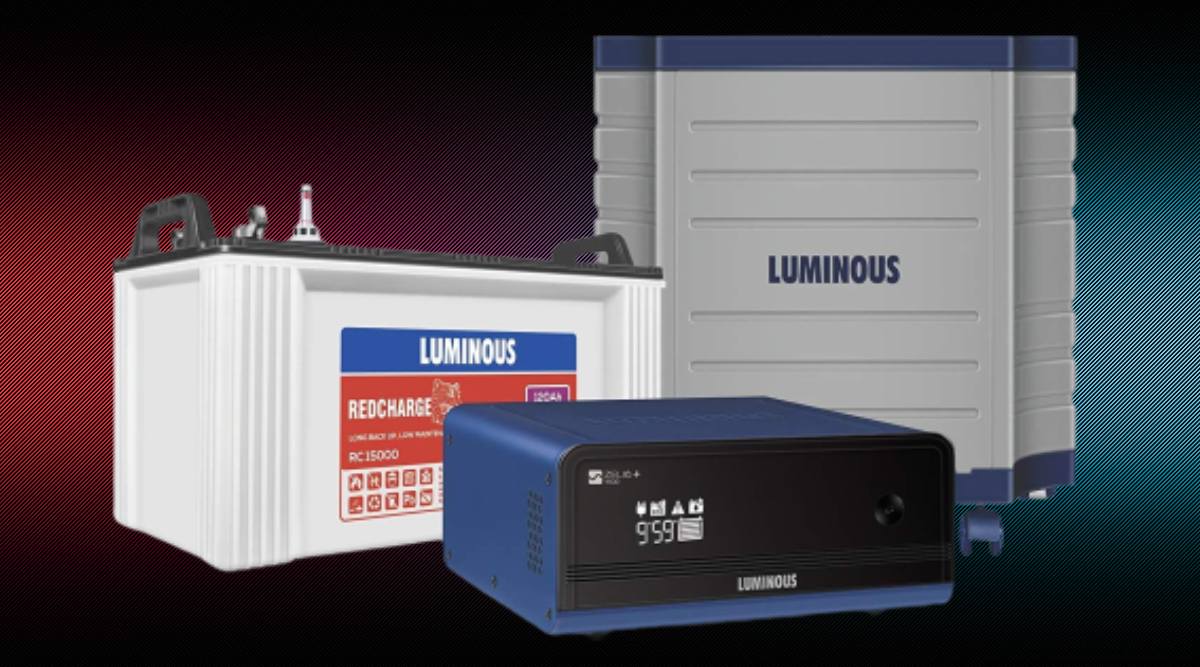
Inverter systems have emerged as a popular alternative to generator sets, providing a reliable and efficient means of storing and distributing energy. These systems typically consist of a battery bank, an inverter, and a charging source (such as solar panels or a grid connection).
Inverter systems offer several advantages over traditional generator sets. They are quiet, emission-free, and require minimal maintenance. Additionally, they can be easily integrated with renewable energy sources like solar panels, further enhancing their eco-friendliness and cost-effectiveness.
Budget: The cost of an inverter system can vary widely, ranging from ₦100,000 to ₦1,000,000, depending on the battery capacity, inverter size, and additional components required
3. Biogas Generators: Turning Waste into Energy
Biogas generators present an innovative solution that not only addresses energy needs but also contributes to waste management. These systems convert organic waste materials, such as animal manure, agricultural residues, and municipal solid waste, into biogas through anaerobic digestion.
The generated biogas can then be used to fuel specially designed generators, providing a reliable and renewable source of electricity. By utilizing readily available organic waste, biogas generators offer a sustainable and cost-effective alternative to traditional generator sets, while also reducing greenhouse gas emissions and promoting a circular economy.
Budget: The cost of a biogas generator can range from ₦500,000 to ₦5,000,000, depending on the system size, feedstock availability, and additional equipment required.
4. Wind Turbines: Harnessing the Power of the Wind
Nigeria’s coastal regions and certain inland areas offer significant potential for harnessing wind energy through the installation of wind turbines. These systems convert the kinetic energy of the wind into electrical energy, providing a clean and renewable source of power.
While the initial investment in wind turbines may be higher than some other alternatives, their long-term operational costs are relatively low, and they offer a reliable backup power solution with minimal environmental impact. Additionally, wind turbines can be integrated with other renewable energy sources, such as solar panels, to create a hybrid system that maximizes energy production and ensures a consistent power supply.
Budget: The cost of a small-scale wind turbine suitable for residential or commercial use in Nigeria can range from ₦1,000,000 to ₦20,000,000, depending on the turbine size, tower height, and installation requirements.
5. Biomass Energy Solutions: Utilizing Organic Matter for Power Generation
Biomass energy solutions leverage the potential of organic matter, such as wood, agricultural residues, and municipal solid waste, to generate electricity. These systems typically involve the combustion of biomass materials to produce heat, which is then used to drive steam turbines or other energy conversion processes.
Biomass energy solutions offer several advantages, including the utilization of readily available resources, reduction in waste, and a lower carbon footprint compared to fossil fuels. Additionally, the ash residue from biomass combustion can be used as a valuable fertilizer, further contributing to sustainability and resource efficiency.
Budget: The cost of a biomass energy solution can vary greatly, ranging from ₦500,000 to ₦20,000,000, depending on the system size, feedstock availability, and specific technology employed.
Throughout this article, we have explored various alternative power sources and backup power solutions that serve as viable replacements for traditional generator sets. From harnessing renewable energy options like solar and wind power to leveraging the potential of organic waste through biogas and biomass systems, Nigeria has a wealth of opportunities to embrace sustainable and cost-effective energy solutions.
By adopting these generator alternatives, households and businesses can not only achieve significant cost savings but also contribute to environmental conservation and energy independence. Additionally, the integration of battery-powered inverter systems and hybrid renewable energy systems can further enhance the reliability and efficiency of these alternative power sources.
As Nigeria strives to address its energy challenges, embracing these top five alternatives to generator sets represents a crucial step towards a future where clean, affordable, and sustainable energy is accessible to all.