Top African Tennis Players Dominating ATP and WTA Global Rankings in 2026
0
(0)
African tennis continues its remarkable ascent on the international stage, with athletes from across the continent proving their elite status through consistent high-level performances and growing global followings. These foremost competitors blend exceptional skill, mental toughness, and cultural pride to challenge the sport’s traditional powerhouses. Their success highlights improved infrastructure, dedicated academies, and increased investment in African tennis development programs. Ratings reflect steady climbs in ATP and WTA standings, while popularity surges through social media engagement and tournament crowds. The 2026 season already showcases these leading figures pushing boundaries and inspiring younger generations to pursue professional careers.
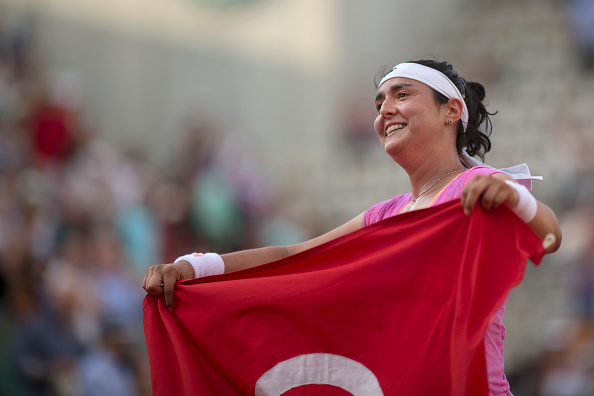
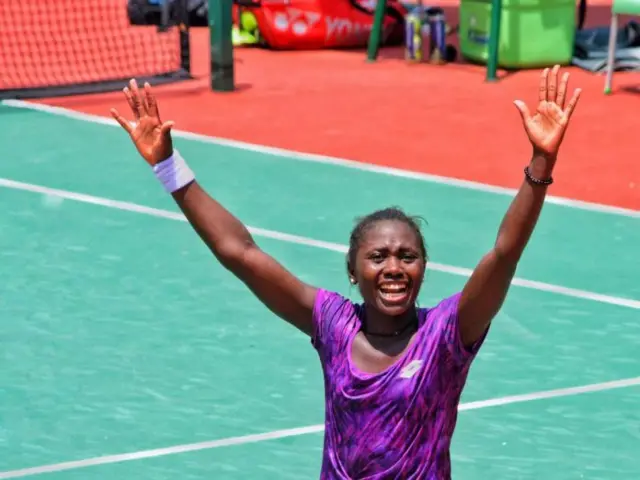
2017 French Open Tennis Tournament – Day Four. Ons Jabeur of Tunisia celebrates her victory over Dominika Cibulkova of Slovakia in the Women’s Singles second round match match at the 2017 French Open Tennis Tournament at Roland Garros on May 31st, 2017 in Paris, France. (Photo by Tim Clayton/Corbis via Getty Images)
Ons Jabeur stands as one of the most recognizable African tennis stars with a career-high ranking of world No. 2. The Tunisian champion reached three Grand Slam finals and captured multiple WTA titles including prestigious events on grass and clay surfaces. Her creative playing style features exceptional drop shots and variety that delights fans across continents. In 2026 she remains active and ranked inside the top 300 while mentoring younger Tunisian prospects. Jabeur’s popularity extends far beyond rankings through her advocacy for Arab and African representation in the sport.
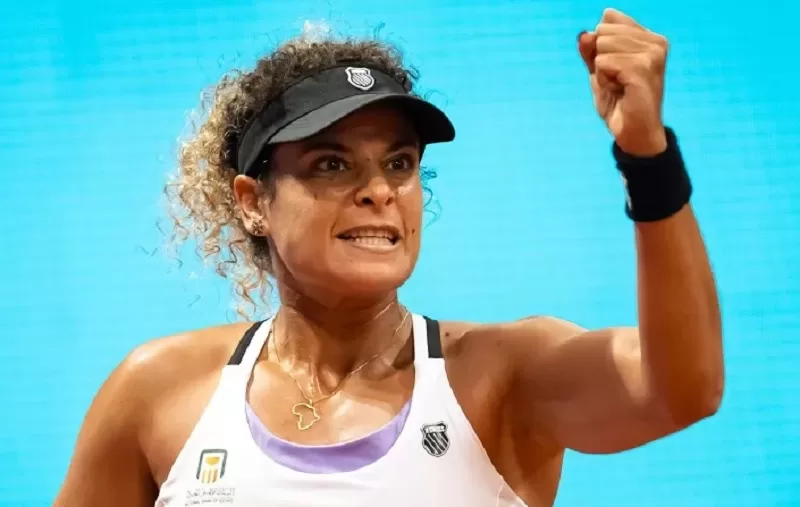
Mayar Sherif currently holds the highest ranking among African women at No. 104 and continues her steady rise on the WTA tour. The Egyptian standout secured multiple ITF titles before breaking into the top 100 with strong performances at major tournaments. Her powerful baseline game and mental resilience have produced notable upsets against higher-ranked opponents. Sherif actively competes in 2026 events while representing Egypt in Fed Cup ties with distinction. She inspires a new wave of Egyptian talent through her dedication and on-court achievements.
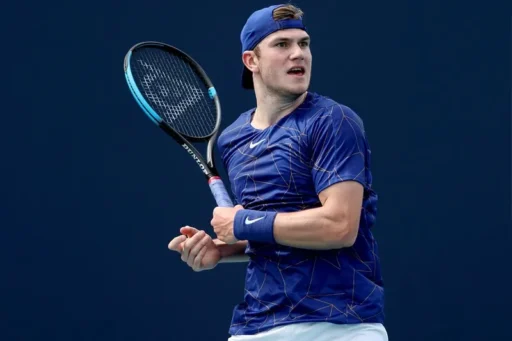
Lloyd Harris ranks as the top South African male player and maintains a solid position inside the ATP top 200 in 2026. His big-serving game and athleticism earned him deep runs at Grand Slams including a memorable Wimbledon quarterfinal appearance. Harris has captured multiple Challenger titles that boosted his ranking trajectory over the years. The South African continues competing at elite levels while supporting national development initiatives. His consistency and work ethic set a strong example for emerging players from the region.
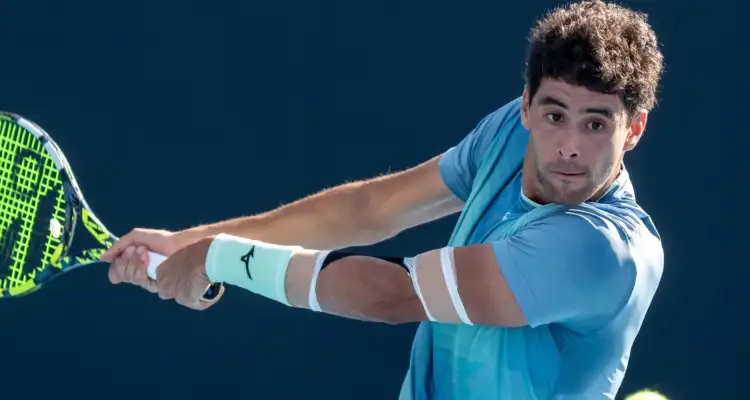
Moez Echargui leads the Tunisian men’s contingent with a current ATP ranking around No. 134. The veteran competitor excels in doubles and singles on North African surfaces where he has collected several Futures and Challenger victories. His experience spans over a decade of professional competition with consistent representation for Tunisia. Echargui mentors junior players and contributes to the growth of tennis infrastructure in his home country. His longevity and commitment highlight the depth of Tunisian talent.
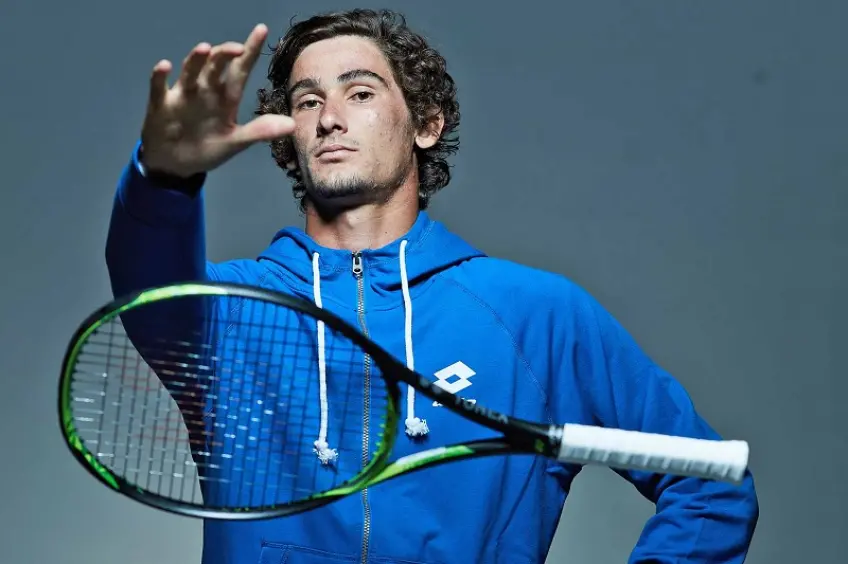
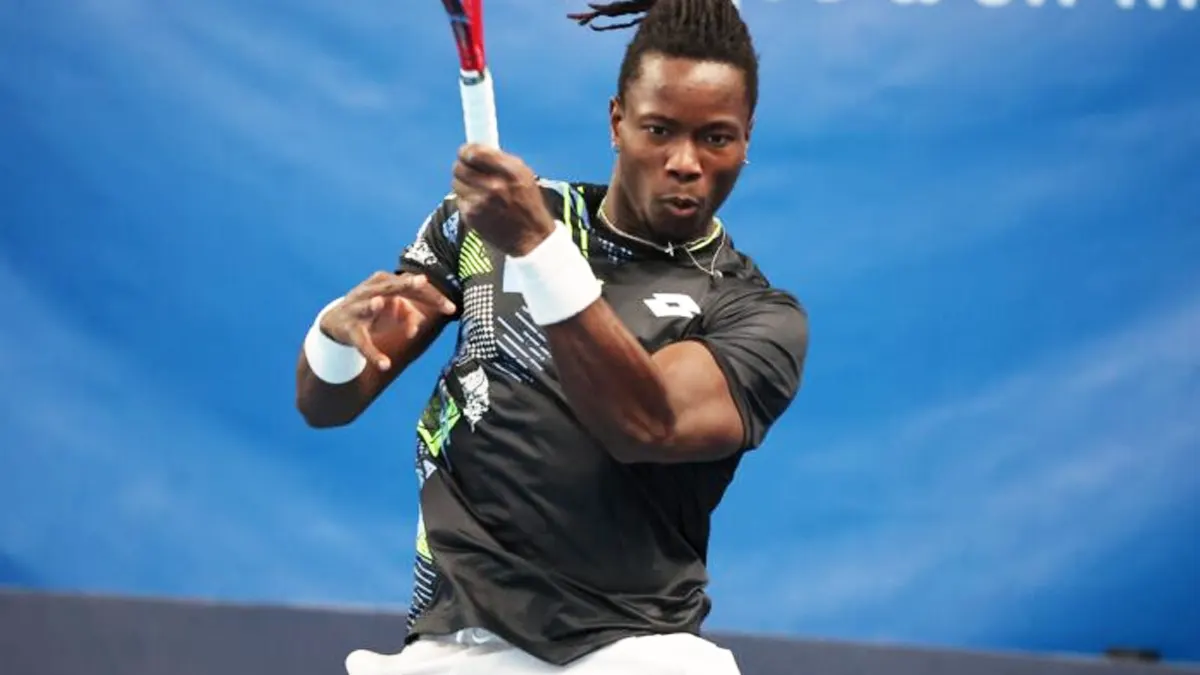
Eliakim Coulibaly emerges as a standout rising star from Côte d’Ivoire with an ATP ranking near No. 293. The young athlete captured his first Challenger title on home soil and reached quarterfinals at regional events in 2026. His all-court versatility and rapid improvement attract attention from international academies. Coulibaly represents a new generation of sub-Saharan talent breaking through traditional barriers. His progress signals exciting potential for West African tennis development.
Sada Nahimana ranks as the premier player from Burundi and sits inside the WTA top 250 at No. 219. The Burundian prospect won several ITF titles and achieved strong junior results before transitioning successfully to professional ranks. Her aggressive baseline style and determination produce impressive comeback victories. Nahimana competes regularly in 2026 tournaments while building a growing international fanbase. She serves as a role model for East African women entering the sport at elite levels.
Aziz Dougaz maintains a competitive ATP position and contributes significantly to Tunisia’s tennis presence. The Tunisian player specializes in doubles partnerships that yield consistent results on the Challenger circuit. His singles performances include multiple final appearances that strengthened his overall ranking profile. Dougaz participates actively in 2026 events and supports national team efforts. His technical skills and team spirit enhance the region’s competitive depth.
Yasmine Kabbaj represents Morocco with steady progress on the WTA circuit and a growing reputation among African players. The Moroccan athlete secured key ITF victories and reached higher rankings through dedicated training regimens. Her versatile game adapts well to various surfaces and conditions. Kabbaj competes in 2026 tournaments while inspiring North African youth programs. Her achievements add valuable diversity to the continent’s women’s tennis landscape.
Toufik Sahtali leads Algeria’s tennis contingent with a solid ATP ranking position around No. 706. The Algerian competitor excels in regional events and builds experience through consistent Challenger participation. His powerful serve and baseline rallies create challenging matchups for opponents. Sahtali remains active in 2026 and contributes to national development efforts. His perseverance demonstrates the expanding talent pool across North Africa.
Daniel Domingos stands out as Angola’s highest-ranked active player and continues competing on the international circuit. The Angolan athlete gathers valuable points through Futures and regional tournaments in 2026. His determination and athletic approach reflect the growing professionalism in Southern African tennis. Domingos participates in national programs that nurture upcoming prospects. His presence rounds out a diverse list of leading African competitors.
Conclusion
The achievements of these elite African tennis players signal a bright future for the sport across the continent. Continued investment in facilities, coaching, and tournament opportunities will sustain this upward trajectory. Fans can expect even greater accomplishments as ratings improve and popularity expands globally. These top athletes not only compete at the highest levels but also serve as ambassadors who elevate African tennis worldwide. Their stories motivate countless young players to dream big and pursue excellence in the years ahead.