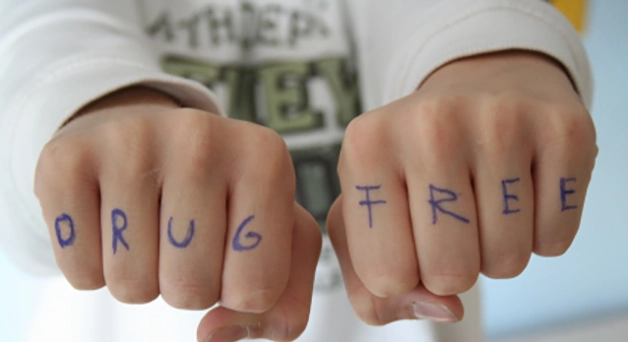
The Harsh Reality: 5 Reasons Why Hard Drugs Destroy Lives
0
(0)
The dimly lit alleyway of Ikeja, Lagos, Nigeria painted a grim picture of the harsh reality that hard drugs can inflict. Emeka, a once promising young man, sat huddled in a corner, his gaunt frame and hollow eyes bearing the unmistakable marks of a life consumed by addiction. As he recounted his harrowing tale, it became a sobering reminder of the devastating consequences that these substances can wreak.
Emeka’s story began like many others – a fateful decision that seemed inconsequential at the time, but quickly spiraled into a cycle of addiction and despair. With a heavy heart, he shared the harsh truths he had learned, hoping to deter others from treading the same treacherous path.
1. Legal Consequences: A Lifelong Burden
The harsh reality is that hard drugs are illegal in most countries, and the penalties for possession or trafficking can be severe. Lengthy prison sentences and hefty fines are common, leaving individuals with a criminal record that can have long-lasting effects on their future prospects and personal lives. Even after serving time, the stigma of a drug-related offense can follow them like a dark cloud, making it challenging to secure employment, housing, or even travel freely.
Moreover, the legal consequences of hard drug use can extend beyond the individual, impacting families and communities. Loved ones may find themselves entangled in costly legal battles or facing financial hardship due to the legal fees and fines associated with drug-related offenses.
For those seeking ways to avoid substance abuse and the legal consequences that come with it, education and prevention programs can play a crucial role. By raising awareness about the risks and consequences of hard drug use, individuals can make informed decisions and steer clear of these dangerous substances.
2. Financial Ruin: The Steep Price of Addiction
The harsh truth is that addiction to hard drugs can quickly drain one’s financial resources, leading to debt, poverty, and the potential loss of employment and housing. The cost of feeding a drug habit can be staggering, often consuming a substantial portion of an individual’s income or savings.
Emeka’s experience highlights the vicious cycle that many addicts find themselves trapped in. As their addiction grows more severe, they may resort to illegal activities or exploitation to fund their habit, further compounding their financial woes and legal troubles.
Moreover, the financial burden of hard drug addiction can extend beyond the individual, impacting families and loved ones. Households may find themselves depleting their savings or taking on debt to support a family member’s addiction, leading to financial strain and potential homelessness.
To avoid the financial ruin that often accompanies hard drug addiction, it is crucial to address the root causes of substance abuse through comprehensive treatment programs and support systems. By providing access to affordable healthcare, counseling, and rehabilitation services, individuals can receive the help they need to break free from addiction and regain control over their financial lives.
The harsh reality is that drug abuse often leads to strained relationships with family and friends. Trust is eroded, and communication becomes increasingly difficult as the addict’s priorities shift towards feeding their habit. Loved ones may feel helpless and frustrated, leading to emotional and physical distance.
Emeka’s story highlights the toll that addiction can take on personal connections. As the addiction deepens, addicts may become increasingly self-centered and manipulative, lying or stealing from those closest to them to support their habit. This breach of trust can be devastating, leaving families fractured and support systems shattered.
In addition to the emotional strain, hard drug addiction can also lead to physical separation as addicts may be forced to leave their homes or sever ties with loved ones due to the destructive nature of their behavior.
To avoid the strain on relationships that often accompanies hard drug use, open and honest communication is crucial. Seeking professional help, such as family counseling or support groups, can provide a safe space for loved ones to express their concerns and work towards healing. Additionally, educating families and communities about the warning signs of addiction and the available resources can help foster a supportive environment for those struggling with substance abuse.
4. Mental and Emotional Instability: A Fragile State
The harsh truth is that hard drugs can cause significant changes in brain chemistry, leading to mood swings, paranoia, anxiety, and depression. These effects can make it challenging to maintain a stable mental and emotional state, impacting one’s ability to function in daily life.
Emeka’s experience sheds light on the psychological toll of hard drug addiction. Substances like cocaine, methamphetamines, and opioids can alter neurotransmitter levels in the brain, disrupting the delicate balance of chemicals responsible for regulating mood, cognition, and behavior.
As the addiction progresses, the mental and emotional instability can become more severe, leading to erratic and unpredictable behavior, hallucinations, and even psychosis in some cases. Addicts may struggle with intense cravings, leading to impulsive and dangerous actions in pursuit of their next fix.
The impact of mental and emotional instability can extend beyond the individual, affecting family members, friends, and colleagues who may find themselves on the receiving end of the addict’s volatile moods and behavior.
To avoid the mental and emotional turmoil associated with hard drug use, it is essential to prioritize mental health and seek professional help when needed. Counseling, therapy, and support groups can provide valuable coping mechanisms and strategies for managing emotions and maintaining stability. Additionally, education and awareness campaigns can help destigmatize mental health issues and encourage individuals to seek help before their struggles spiral into substance abuse.
5. Physical Health Risks: A Ticking Time Bomb
The harsh reality is that the use of hard drugs can have severe consequences for physical health, including organ damage, increased risk of infectious diseases, and potential overdose. Long-term use can also lead to chronic health problems and a shortened life expectancy.
Emeka’s story highlights the myriad of physical health risks associated with hard drug use. Substances like heroin, cocaine, and methamphetamines can wreak havoc on the body, damaging vital organs such as the heart, lungs, and liver. Injecting drugs can also increase the risk of contracting life-threatening infections like HIV and hepatitis.
Perhaps one of the most significant risks is the threat of overdose, which can occur even with a single use of certain hard drugs. Overdoses can lead to respiratory failure, coma, and death, making them a constant danger for those struggling with addiction.
The physical toll of hard drug use can also manifest in long-term health issues, such as chronic pain, respiratory problems, and cardiovascular disease. These conditions can persist long after an individual has achieved sobriety, serving as a constant reminder of the devastating impact of their addiction.
To avoid the physical health risks associated with hard drug use, education and prevention are key. Comprehensive drug education programs in schools and communities can raise awareness about the dangers of substance abuse and the potential long-term consequences. Additionally, access to affordable healthcare and rehabilitation services can provide individuals with the support they need to overcome addiction and address any underlying health issues.
In conclusion, Emeka’s story serves as a powerful reminder of the harsh realities and far-reaching consequences of hard drug addiction. From legal troubles and financial ruin to strained relationships, mental and emotional instability, and physical health risks, the path of addiction is paved with destruction and despair.
However, hope is not lost. Numerous notable figures, including Oprah Winfrey, Robert Downey Jr., and Demi Lovato, have spoken candidly about their battles with addiction, emphasizing the importance of seeking help and embracing sobriety. Their resilience and triumph over adversity serve as beacons of hope, reminding us that recovery is possible, but it requires unwavering determination and a commitment to seeking the necessary support and resources.