Top 5 Poorest Countries in the World – Shocking Insights for 2024
0
(0)
The Harsh Reality of Global Poverty
Poverty remains a persistent and daunting challenge in many parts of the world. Despite significant progress in recent decades, several countries continue to grapple with extreme poverty, limited resources, and socio-economic instability. In this comprehensive article, we delve into the top five poorest countries in the world, shedding light on the factors contributing to their dire circumstances and the ongoing efforts to alleviate poverty.
1. South Sudan – The Poorest Country in the World
GDP Per Capita (PPP): $455
Population: Approximately 15 million
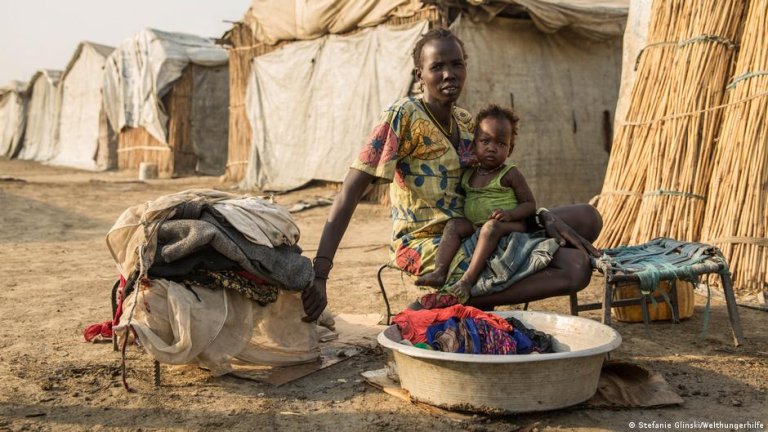
South Sudan, the world’s youngest nation, tragically holds the unenviable title of the poorest country in the world 2024 and the brokest country in the world. Since its independence in 2011, this poorest african country has been plagued by violence, civil unrest, and a devastating civil war. Despite possessing abundant oil reserves, the “resource curse” has fueled political divisions, corruption, and warfare, leaving the majority of the population in abject poverty.
Over 60% of South Sudanese citizens rely on traditional agriculture for their livelihoods. However, extreme climate events and the ongoing conflict have often prevented farmers from planting or harvesting crops. In 2024, an estimated 9 million people, more than half of South Sudan’s population, will be in dire need of humanitarian assistance.
2. Burundi – A Fragile Economy Struggling to Recover
GDP Per Capita (PPP): $916
Population: Approximately 13 million
Burundi, a landlocked nation in East Africa, ranks as the second-poorest country in the world for 2024. Scarred by a civil war that lasted from 1993 to 2005, Burundi’s economy and infrastructure have suffered immense damage. Approximately 80% of Burundi’s population, among the poorest people, relies on subsistence agriculture, contributing to widespread food insecurity that is nearly twice as high as the average for sub-Saharan African countries.
Access to basic amenities like water, sanitation, and electricity remains limited, with less than 5% of the population having access to electricity. While President Evariste Ndayishimiye has made efforts to relaunch the economy and repair diplomatic relationships, the country continues to face significant challenges, including high inflation rates projected around 22% for 2024.
3. Central African Republic – Conflict and Instability Hinder Development
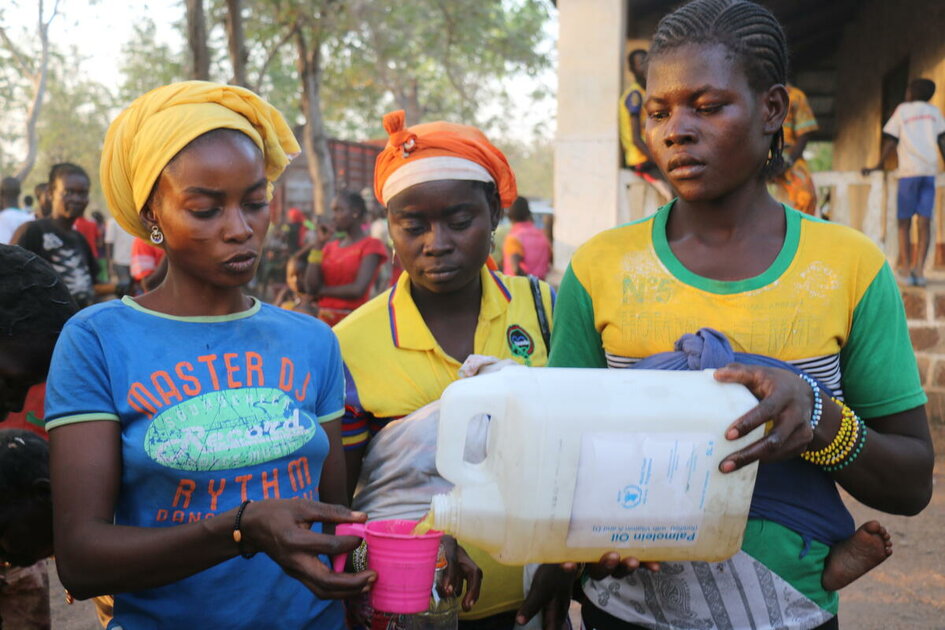
Central African Republic. Paoua, Ouham-PendŽ. 17 January 2018. A wave of newly displaced people with harrowing tales has filled the streets of Paoua in the prefecture of Ouham-PendŽ after an upsurge of violence in that part of the Central African Republic (CAR). The World Food Programme (WFP) is providing food assistance to more than 70,000 people in the area. In the Photo: Food distribution in Paoua, Central African Republic. Photo: WFP/Bruno Djoyo
GDP Per Capita (PPP): $1,123
Population: Approximately 5.5 million
The Central African Republic (CAR), rich in natural resources like gold, oil, uranium, and diamonds, has been plagued by conflict and instability for decades. Despite its mineral wealth, the CAR remains one of the poorest nations in the world, with large swaths of the country controlled by anti-government and militia groups.
In 2016, the CAR took a step towards national reconstruction by democratically electing President Faustin Archange Touadéra, who campaigned as a peacemaker aiming to bridge the divide between the Muslim minority and Christian majority. While progress has been made, challenges persist, and the country’s economic growth remains heavily reliant on the timber industry, agricultural sector, and partially resumed diamond sales.
4. Democratic Republic of the Congo – Immense Potential Hindered by Instability
GDP Per Capita (PPP): $1,552
Population: Approximately 100 million
The Democratic Republic of the Congo (DRC) is a resource-rich nation with immense potential, yet it remains one of the poorest countries due to decades of political instability, conflict, and dictatorship. Despite being the world’s largest producer of cobalt and Africa’s leading source of copper, essential materials for electric vehicles, approximately 65% of the DRC’s population struggles to survive on less than $2.15 per day.
The World Bank recognizes the DRC’s vast resources and potential to become one of the wealthiest countries in Africa and a growth driver for the entire continent. However, significant challenges, including poor infrastructure, corruption, and ongoing violence, continue to hinder the country’s development and economic progress.
5. Mozambique – Resilience in the Face of Climate Challenges and Conflict
GDP Per Capita (PPP): $1,649
Population: Approximately 32 million
Mozambique, a former Portuguese colony strategically located in Southeast Africa, has demonstrated economic resilience despite facing numerous challenges. While the country has often posted average GDP growth rates exceeding 7% in the past decade, it remains among the poorest African nations due to severe climate conditions and political instability.
Since 2017, attacks carried out by Islamic insurgent groups have plagued the gas-rich northern part of the country, further exacerbating the existing challenges. However, according to the International Monetary Fund (IMF), Mozambique’s economy remains robust, with projections of 5% growth in 2024 and 2025, and the potential for double-digit growth in the latter part of the decade.
Others Countries Facing Extreme Poverty
While the top five countries highlighted in this article represent the most impoverished nations globally, several other countries continue to grapple with extreme poverty and economic hardship. Some notable examples include:
Afghanistan: Decades of conflict and political instability have left Afghanistan’s economy in tatters, with a significant portion of the population living in poverty.
Haiti: Natural disasters, political unrest, and limited resources have contributed to Haiti’s ongoing struggle with poverty and economic development.
Niger: This landlocked nation in West Africa faces severe challenges, including desertification, food insecurity, and frequent conflicts with extremist groups like Boko Haram.
Somalia: Plagued by civil war, drought, and terrorist activities, Somalia remains one of the most impoverished and unstable countries in the world.
Addressing global poverty requires a multifaceted approach and a concerted effort from various stakeholders, including governments, international organizations, and civil society. Here are some tips and recommendations for tackling poverty:
Promote inclusive economic growth: Invest in infrastructure, education, and job creation initiatives that prioritize marginalized communities and foster equal opportunities.
Strengthen governance and institutions: Establish robust governance frameworks, promote transparency, and combat corruption to ensure effective resource allocation and service delivery.
Invest in human capital: Prioritize access to quality education, healthcare, and social services, empowering individuals and communities to break the cycle of poverty.
Encourage sustainable development: Adopt environmentally friendly practices, promote renewable energy sources, and implement climate change mitigation strategies to ensure long-term economic and environmental sustainability.
Foster international cooperation: Promote global partnerships, knowledge-sharing, and collaboration among nations, international organizations, and civil society to address poverty on a global scale.
By addressing these critical areas, countries can pave the way for sustainable economic growth, social equity, and improved living standards for their citizens, ultimately reducing poverty and fostering a more prosperous future for all.