Discover Nigeria’s Top 5 Traditional Drinks: A Taste of Cultural Heritage
0
(0)
Nigeria, a country rich in cultural diversity and culinary traditions, boasts an impressive array of locally made drinks that have been enjoyed for generations. These beverages not only quench thirst but also serve as a testament to the ingenuity and creativity of Nigerian people. From refreshing herbal infusions to fermented delights, Nigerian drinks offer a unique taste experience that reflects the country’s vibrant heritage. In this exploration of Nigeria’s top 5 locally made drinks, we’ll delve into the origins, preparation methods, and cultural significance of these beloved beverages. Whether you’re a curious traveler or a food enthusiast, this journey through Nigeria’s traditional drinks will tantalize your taste buds and provide insight into the country’s rich culinary landscape.
1. Zobo (Hibiscus Tea)
Zobo, a vibrant ruby-red beverage made from dried hibiscus flowers, stands as one of Nigeria’s most popular and beloved drinks. This refreshing concoction, also known as Sorrel or Roselle drink in other parts of the world, has its roots deeply embedded in Nigerian culture and has gained popularity across West Africa.
The preparation of Zobo is a simple yet meticulous process. Dried hibiscus flowers, locally called Zobo leaves, are steeped in boiling water, allowing their rich color and tangy flavor to infuse the liquid. The resulting brew is then strained and sweetened to taste, often with the addition of natural flavorings such as ginger, garlic, or pineapple to create unique variations. Some recipes also include a touch of cloves or cinnamon, adding depth and complexity to the drink’s flavor profile.
Zobo is not just a refreshing beverage; it’s also celebrated for its potential health benefits. Rich in Vitamin C and antioxidants, Zobo is believed to support immune function, aid digestion, and even help lower blood pressure. Its versatility extends beyond being a cool drink, as it’s also used as a base for cocktails, a natural food coloring agent, and even in traditional medicine. The popularity of Zobo has led to its commercialization, with many small businesses and entrepreneurs bottling and selling this delightful drink across Nigeria and beyond.
2. Kunu
Kunu, a traditional Nigerian beverage made primarily from millet, holds a special place in the hearts and palates of many Nigerians. This creamy, slightly grainy drink is not only refreshing but also highly nutritious, making it a staple in many households, particularly in the northern regions of the country.
The process of making Kunu is a labor of love that has been passed down through generations. It begins with soaking millet grains, which are then ground into a paste along with spices such as ginger, cloves, and sometimes pepper. This paste is then mixed with water and left to ferment slightly, which enhances its flavor and digestibility. After fermentation, the mixture is sieved to remove any solid particles, resulting in a smooth, milky liquid. The final step involves sweetening the Kunu to taste, typically with sugar or honey.
What sets Kunu apart is its remarkable versatility and nutritional value. Rich in essential vitamins and minerals, Kunu is often considered a meal in itself, particularly during the hot season when it serves as both nourishment and hydration. There are several varieties of Kunu, each with its unique flavor profile. Kunu Zaki, made from millet, is the most common, but variations include Kunu Gyada (made with groundnuts), Kunu Akamu (made with maize), and Kunu Tsamiya (made with tamarind). This diversity in preparation methods and ingredients showcases the adaptability of Nigerian cuisine and the ingenuity of its people in creating nourishing beverages from locally available resources.
3. Palm Wine
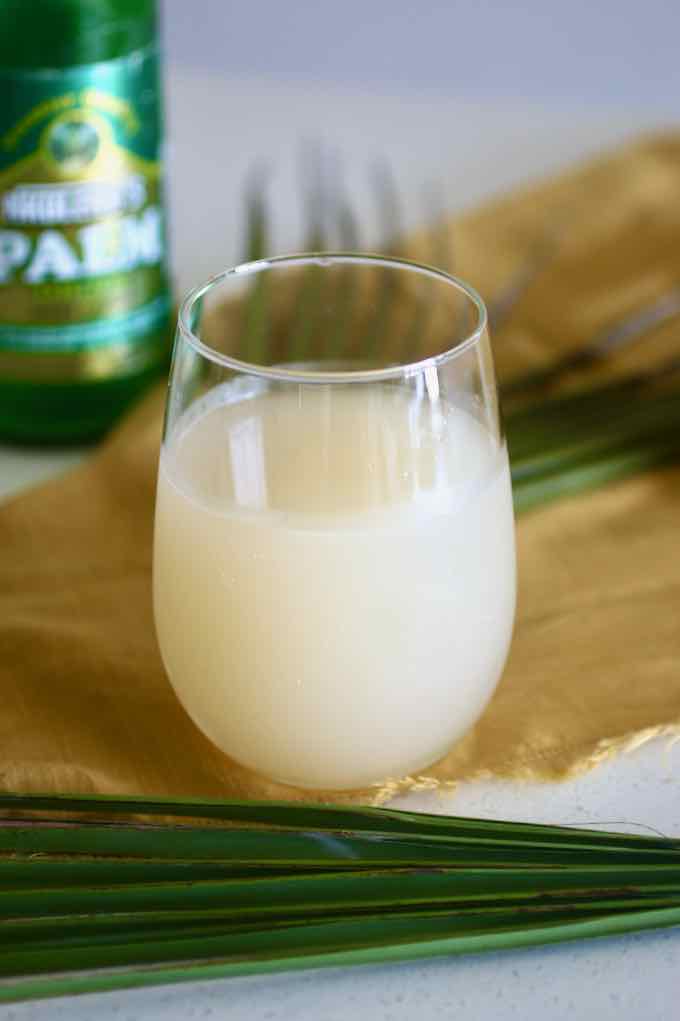
Palm Wine, locally known as “Nkwu” in Igbo, “Emu” in Yoruba, and “Nkan” in Hausa, is a naturally fermented beverage that holds a special place in Nigerian culture. This milky-white, effervescent drink is tapped from various species of palm trees, including the raffia palm and oil palm, and has been enjoyed for centuries across West Africa.
The process of obtaining palm wine is a skilled art that has been perfected over generations. Skilled tappers climb tall palm trees to extract the sap, which is then collected in gourds or containers tied to the trees. Fresh palm wine is sweet and non-alcoholic, but it begins to ferment almost immediately due to natural yeasts in the air. As fermentation progresses, the sugar in the sap is converted to alcohol, giving palm wine its characteristic slightly alcoholic taste and fizzy texture.
Palm wine plays a significant role in Nigerian social and cultural life. It’s often present at important ceremonies, such as weddings and naming ceremonies, where it’s used for libations and toasts. In some communities, it’s believed to have medicinal properties and is used in traditional healing practices. The versatility of palm wine extends to its use in cooking, where it’s used to ferment cassava for making fufu, a popular Nigerian staple. Fresh palm wine is rich in yeasts, vitamin B complex, and potassium, making it not just a beverage but also a source of nutrition. However, its rapid fermentation means that palm wine is best enjoyed fresh, adding an element of immediacy and communal sharing to its consumption.
4. Tigernut Milk
Tigernut Milk, known locally as “Kunun Aya” in Northern Nigeria, is a creamy, nutritious beverage that has been gaining popularity across the country in recent years. Despite its name, tigernuts are not nuts but small tubers, and this drink offers a delicious, dairy-free alternative that’s packed with health benefits.
The preparation of Kunun Aya is a process that requires patience and attention to detail. It begins with soaking tigernuts in water for several hours or overnight to soften them. The softened tigernuts are then blended with water to create a smooth paste. This paste is mixed with more water and strained through a fine mesh or cheesecloth to separate the milk from the pulp. The resulting liquid is a creamy, slightly sweet milk that can be enjoyed as is or flavored with additions like dates, cinnamon, or vanilla.
Tigernut Milk is celebrated not just for its delightful taste but also for its impressive nutritional profile. Rich in fiber, protein, and healthy fats, it’s often recommended as a healthier alternative to dairy milk. Tigernuts are also a good source of vitamins E and C, as well as minerals like iron and potassium. In Nigerian traditional medicine, tigernut milk is believed to have various health benefits, including aiding digestion, boosting the immune system, and even enhancing fertility. Its natural sweetness makes it a popular choice for those looking to reduce their sugar intake while still enjoying a tasty beverage. As awareness of its health benefits grows, Kunun Aya is increasingly finding its way into urban cafes and health food stores, bridging the gap between traditional Nigerian drinks and modern health trends.
5. Fura da Nono
Fura da Nono, a traditional drink-meal from Northern Nigeria, particularly popular among the Fulani and Hausa communities, is a unique combination of fermented milk (nono) and millet balls (fura). This hearty beverage is not just a drink but often serves as a complete meal, offering both hydration and sustenance.
The preparation of Fura da Nono is a two-part process that showcases the culinary expertise of Northern Nigerian cuisine. The fura is made by grinding millet into a fine powder, which is then mixed with spices like ginger and cloves. This mixture is kneaded with water to form a dough, which is then shaped into small balls and boiled. After cooking, these balls are pounded to break them down into smaller pieces. The nono, on the other hand, is made by fermenting fresh cow’s milk, which gives it a slightly sour taste. To serve, the fura balls are mixed with the fermented milk, creating a thick, porridge-like consistency. Sugar or honey is often added to balance the sourness of the nono.
Fura da Nono is more than just a beverage; it’s a cultural symbol and a nutritional powerhouse. The combination of fermented milk and millet provides a rich source of probiotics, proteins, and complex carbohydrates, making it an ideal food for sustaining energy throughout the day. It’s particularly popular during the hot season and among travelers, as it’s both filling and refreshing. In many Northern Nigerian communities, the preparation and sale of Fura da Nono is an important economic activity for women, who often sell it in markets or by the roadside. The drink also plays a role in social gatherings and is offered as a gesture of hospitality to guests. As urbanization increases, Fura da Nono has begun to appear in more modernized forms in cities, with some vendors offering packaged versions or incorporating it into smoothies and other contemporary drinks.
The rich tapestry of Nigerian culture is beautifully reflected in its diverse array of locally made drinks. From the tangy sweetness of Zobo to the creamy nourishment of Fura da Nono, these beverages offer more than just refreshment – they provide a glimpse into the history, traditions, and ingenuity of Nigerian people. While we’ve explored the top 5 locally made drinks, it’s worth noting that Nigeria’s beverage landscape is vast and varied, with many other notable drinks deserving of mention.
Some other popular Nigerian drinks include:
Chapman: A non-alcoholic cocktail made from a blend of fruit juices, often considered Nigeria’s unofficial national cocktail.
Ginger Drink: A spicy, invigorating beverage made from fresh ginger root, popular for its perceived health benefits.
Pito: A fermented sorghum drink common in northern Nigeria, known for its slightly alcoholic content.
Soya Milk: A protein-rich, dairy-free milk alternative made from soybeans, gaining popularity in urban areas.
Baobab Juice: Made from the fruit of the baobab tree, this drink is rich in vitamin C and has a unique, tangy flavor.
Agbo: A traditional herbal concoction used in Nigerian folk medicine, made from various leaves, roots, and barks.
These drinks, along with the top 5 we’ve explored in detail, showcase the diversity and richness of Nigerian culinary traditions. They reflect the country’s agricultural abundance, the creativity of its people, and the deep-rooted cultural practices that have been passed down through generations. Whether enjoyed for their refreshing taste, nutritional benefits, or cultural significance, these locally made drinks continue to play an important role in Nigerian daily life and social gatherings.
As Nigeria continues to evolve and embrace global influences, these traditional beverages are finding new life in modern interpretations. From high-end restaurants experimenting with Zobo-based cocktails to health food stores offering bottled Tigernut Milk, these drinks are adapting to changing tastes and lifestyles while maintaining their cultural essence.
For visitors to Nigeria or those exploring Nigerian cuisine from afar, trying these locally made drinks offers a unique way to experience the flavors and traditions of this vibrant West African nation. Each sip tells a story of heritage, community, and the enduring spirit of Nigerian culinary innovation. As we celebrate these beverages, we also celebrate the diverse cultures and communities that have nurtured and preserved these traditions, ensuring that the rich tapestry of Nigerian drink culture continues to thrive and evolve for generations to come.
As a journalist, Lydia Imasuen covers health, lifestyle, and food with clarity and depth. Her writing explores wellness, nutrition, and modern living in a way that resonates with diverse audiences. She is passionate about sharing credible information through compelling stories. Lydia’s work reflects a commitment to quality journalism.