Top 5 Most Common Family Planning Methods By African Women: Effectiveness, Costs, and Risks
0
(0)
Family planning plays a crucial role in empowering African women, enabling them to make informed decisions about their reproductive health and family size. As access to contraceptive options continues to improve across the continent, more women are taking control of their fertility and future. This guide explores the five most common and effective family planning methods used by African women, providing essential information on each method’s benefits, risks, costs, and popularity.
Understanding the various contraceptive options available is vital for women to choose the method that best suits their individual needs, lifestyle, and health considerations. From hormonal methods to barrier contraceptives and long-acting reversible options, each approach offers unique advantages and considerations. By examining these popular family planning methods, we aim to support African women in making informed choices about their reproductive health and family planning goals.
1. Oral Contraceptive Pills
Oral contraceptive pills, commonly known as birth control pills, are one of the most widely used family planning methods among African women. These hormone-based pills work by preventing ovulation and thickening cervical mucus, making it difficult for sperm to reach the egg. Taken daily, they offer a high level of effectiveness when used correctly and consistently.
One of the key advantages of oral contraceptive pills is their reversibility. Women can quickly regain fertility after discontinuing use, making them an excellent option for those planning future pregnancies. Additionally, many women experience benefits beyond contraception, such as reduced menstrual cramps, lighter periods, and improved acne. However, it’s important to note that oral contraceptives do not protect against sexually transmitted infections (STIs).
Costs:
• Free through government programs in some countries
• $5-$15 per month when purchased privately
Risks:
• Nausea
• Breast tenderness
• Mood changes
• Increased risk of blood clots (rare)
Popularity: It’s estimated that oral contraceptive pills are used by about 8-10% of women using modern contraceptive methods in sub-Saharan Africa, with higher rates in urban areas and among more educated women.
2. Injectable Contraceptives (Depo-Provera)
Injectable contraceptives, particularly Depo-Provera, have gained significant popularity among African women due to their convenience and effectiveness. This method involves receiving a hormone injection every three months, which suppresses ovulation and thickens cervical mucus. Its long-acting nature makes it an attractive option for women who may have difficulty remembering daily pills or accessing healthcare facilities frequently.
One of the main benefits of injectable contraceptives is their discretion. Women can use this method without their partners’ knowledge if necessary, which can be crucial in situations where male partners may oppose family planning. Additionally, Depo-Provera can reduce menstrual bleeding and cramps, which some women find beneficial. However, it’s important to note that return to fertility may be delayed after discontinuing use, sometimes taking up to a year or more.
Costs:
• $1 to $5 per injection
• Free in some countries through public health programs
Risks:
• Weight gain
• Headaches
• Changes in menstrual bleeding patterns
• Potential bone density loss with long-term use
Popularity: Injectable contraceptives are highly popular in many African countries, with usage rates reaching 20-30% of women using modern contraceptive methods in some regions, particularly in Eastern and Southern Africa.
3. Intrauterine Devices (IUDs)
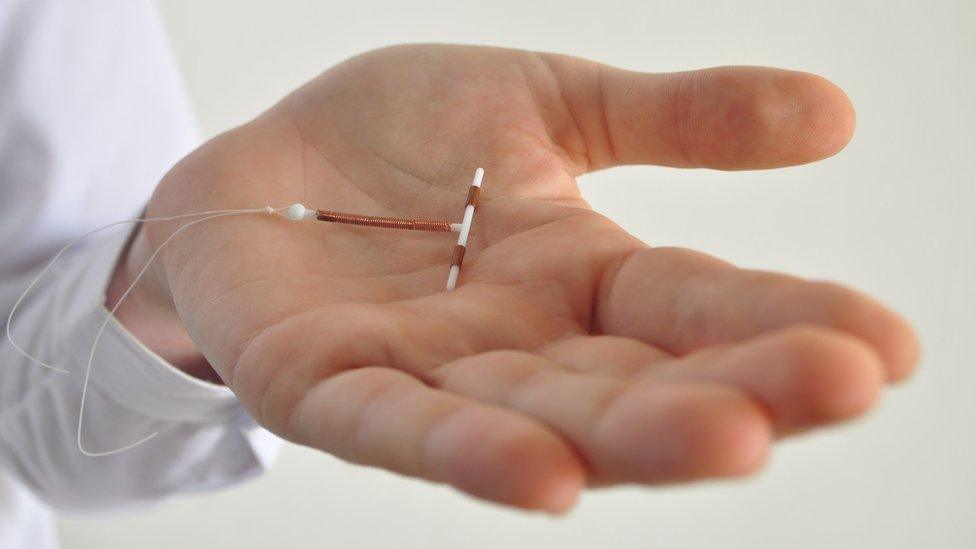
Intrauterine devices (IUDs) are small, T-shaped devices inserted into the uterus to prevent pregnancy. There are two main types: copper IUDs, which work by creating an environment hostile to sperm, and hormonal IUDs, which release small amounts of progestin to thicken cervical mucus and thin the uterine lining. IUDs are highly effective long-acting reversible contraceptives (LARCs) that can provide protection for 3 to 12 years, depending on the type.
The primary advantage of IUDs is their “set it and forget it” nature. Once inserted by a healthcare provider, they require no daily attention and are immediately effective. This makes them an excellent option for women who want long-term contraception without the need for regular action or clinic visits. IUDs are also cost-effective in the long run, despite a higher initial cost. However, insertion can be uncomfortable, and some women experience increased menstrual bleeding and cramps, particularly with copper IUDs.
Costs:
• Initial costs ranging from $20 to $400, depending on type and healthcare setting
• Many countries are working to reduce costs through public health initiatives
Risks:
• Discomfort during insertion
• Increased menstrual bleeding and cramps (especially with copper IUDs)
• Slight risk of expulsion
• Very rare risk of uterine perforation
• Slightly increased risk of pelvic inflammatory disease in the first few weeks after insertion
Popularity: IUD use among African women is growing, with approximately 5-15% of contraceptive users opting for this method, though rates vary significantly between countries.
4. Condoms (Male and Female)
Condoms, both male and female varieties, are barrier methods of contraception that prevent sperm from reaching the egg. They are unique among family planning methods in their ability to also protect against sexually transmitted infections (STIs), including HIV. This dual protection makes condoms a crucial tool in sexual and reproductive health, especially in regions with high HIV prevalence.
Male condoms are widely available and relatively easy to use, making them a popular choice for many couples. They require no prescription and have no systemic side effects. Female condoms, while less common, offer women more control over their protection. Both types can be used in combination with other contraceptive methods for added pregnancy prevention and STI protection. However, consistent and correct use is essential for maximum effectiveness.
Costs:
• Free when distributed through health programs
• $0.50-$1 per male condom when purchased
• $1-$2 per female condom when purchased
Risks:
• Allergic reactions to latex (non-latex options available)
• Possibility of breakage or slippage if not used correctly
Popularity: Condom use varies widely across African countries, with estimates suggesting that 10-20% of contraceptive users rely on condoms as their primary method, though many more use them in combination with other methods.
5. Implants (Such as Nexplanon)
Contraceptive implants, like Nexplanon, are small, flexible rods inserted under the skin of the upper arm. These devices release a steady, low dose of progestin to prevent pregnancy by suppressing ovulation and thickening cervical mucus. Implants are another form of long-acting reversible contraception (LARC), providing highly effective pregnancy prevention for up to 3-5 years, depending on the specific type.
One of the major advantages of implants is their extremely high efficacy rate, with a failure rate of less than 1%. They require no daily action or regular clinic visits once inserted, making them ideal for women who want long-term contraception with minimal maintenance. Implants can be removed at any time if a woman decides to become pregnant, with fertility typically returning quickly after removal. However, insertion and removal require a minor medical procedure, which may be a consideration for some women.
Costs:
• $8 to $20 per implant in many African countries
• Free in some nations through public health programs
Risks:
• Irregular bleeding patterns, particularly in the first few months
• Possible weight gain
• Headaches
• Mood changes
Popularity: Implant use is rapidly increasing across Africa, with adoption rates of 15-25% among contraceptive users in some countries, particularly where access and awareness have been prioritized.
Others
While these five methods represent the most common family planning options for African women, it’s important to note that other effective methods are also available. Notable others include:
How do I choose the best family planning method for me?
Choosing the right family planning method depends on various factors, including your health history, lifestyle, future pregnancy plans, and personal preferences. It’s best to consult with a healthcare provider who can assess your individual needs and help you make an informed decision.
Are these family planning methods available in all African countries?
While availability varies by country, most African nations are working to increase access to a wide range of contraceptive options. Urban areas typically have better access, but many countries are expanding family planning services to rural regions as well.
Can I switch between different family planning methods?
Yes, it’s common for women to switch methods based on changing needs or experiences with side effects. Always consult a healthcare provider before switching to ensure a smooth transition and continued protection.
How effective are these family planning methods in preventing pregnancy?
When used correctly and consistently, all of these methods are highly effective. However, effectiveness rates can vary in real-world use. Here’s a comparison table of typical effectiveness rates:
Method
Typical Use Effectiveness
Oral Contraceptive Pills
91%
Injectable Contraceptives
94%
IUDs
99%
Condoms (male)
85%
Implants
99%
The choice of family planning method is highly personal and should be based on individual circumstances, health considerations, and preferences. It’s crucial for women to have access to comprehensive information and counseling to make informed decisions. Healthcare providers play a vital role in this process, offering guidance on the most suitable options for each woman’s unique situation.
As efforts continue to improve access to family planning services across Africa, it’s essential to address barriers such as cost, availability, and cultural attitudes. By empowering women with knowledge and options, family planning contributes significantly to maternal and child health, economic empowerment, and overall quality of life for African families.