Top 5 Organic Ingredients You Should Watch Out for When You Go Shopping
0
(0)
In today’s health-conscious world, the importance of organic ingredients cannot be overstated. As we become more aware of what we put into our bodies, the demand for natural, unadulterated foods continues to rise. This growing trend isn’t just a fad; it’s a lifestyle choice that can significantly impact our overall well-being.
It’s not just about eating enough; it’s about making informed choices that provide our bodies with the diverse range of nutrients they need to thrive. In this guide, we’ll explore the top 5 organic ingredients you should be on the lookout for during your next shopping trip. These powerhouse ingredients not only pack a nutritional punch but also offer a multitude of health benefits that can enhance your quality of life and reduce the risk of various diseases.
1. Tulsi: The Queen of Herbs
Tulsi, also known as Holy Basil, has been revered in Ayurvedic medicine for thousands of years. This aromatic herb is not just a culinary delight; it’s a natural wellness booster that deserves a prime spot in your pantry.
Organic Tulsi is a treasure trove of health benefits. It’s rich in antioxidants, which help combat free radicals and reduce oxidative stress in the body. This powerful herb also has adaptogenic properties, meaning it can help your body adapt to stress and promote overall balance.
One of the most popular ways to enjoy Tulsi is in the form of tea.
The Multifaceted Benefits of Tulsi
The health benefits of Tulsi extend far beyond its stress-relieving properties. Regular consumption of this organic herb can significantly boost your immune system, helping your body fight off infections and diseases more effectively.
Moreover, Tulsi has been found to improve metabolism and aid digestion. It can help alleviate common digestive issues such as bloating, gas, and indigestion. By promoting better nutrient absorption, Tulsi ensures that your body makes the most of the food you consume.
Incorporating Tulsi into Your Daily Routine
Integrating Tulsi into your daily diet is easier than you might think. Start your day with a cup of Tulsi tea to set a calm and focused tone for the hours ahead. You can also add fresh Tulsi leaves to your salads or smoothies for an extra nutritional boost.
For those who prefer supplements, Tulsi is available in capsule form. However, always consult with a healthcare professional before starting any new supplement regimen.
Remember, when shopping for Tulsi products, always opt for organic varieties to ensure you’re getting the purest form of this incredible herb, free from harmful pesticides and chemicals.
2. Honey: Nature’s Liquid Gold
When it comes to natural sweeteners, nothing quite compares to the golden goodness of organic honey. Far more than just a sugar substitute, honey is a nutritional powerhouse that has been used for centuries for its medicinal properties.
Wild honey, sourced from pristine forests, is particularly prized for its purity and potency. Unlike conventional honey, which often undergoes heavy processing, wild organic honey retains all of its valuable enzymes and antioxidants, making it a superior choice for health-conscious consumers.
One standout product in this category is the Multifloral Akshayakalpa Raw Honey. This honey is a testament to the company’s commitment to purity and sustainability. Sourced responsibly from organic farm honeycombs, it not only tastes divine but also supports the preservation of bee populations and ecosystems.
The Sweet Health Benefits of Organic Honey
The health benefits of organic honey are as diverse as they are impressive. First and foremost, honey is an excellent source of quick energy. Its natural sugars are easily absorbed by the body, providing an instant boost when you need it most.
But the benefits don’t stop there. Organic honey is renowned for its ability to soothe and heal the digestive system. It can help alleviate symptoms of acid reflux and other gastrointestinal issues, promoting better overall digestive health.
Perhaps one of honey’s most well-known benefits is its effectiveness in treating symptoms of cough and cold. Its natural antibacterial properties make it an excellent remedy for sore throats, while its thick consistency helps coat and soothe irritated throat tissues.
Choosing and Using Organic Honey
When shopping for honey, always look for raw, unprocessed varieties. These retain the maximum amount of beneficial enzymes and nutrients.
Incorporating honey into your diet is a delicious endeavor. Use it as a natural sweetener in your morning tea or coffee, drizzle it over yogurt or oatmeal, or use it in baking as a healthier alternative to refined sugar.
For a powerful immune-boosting tonic, mix a tablespoon of raw honey with freshly squeezed lemon juice and a pinch of cinnamon. This simple concoction can help ward off colds and flu, especially during the winter months.
Remember, while honey is a healthier alternative to refined sugar, it should still be consumed in moderation as part of a balanced diet.
3. Quinoa: The Complete Protein Powerhouse
In the world of superfoods, quinoa stands out as a true nutritional champion. This ancient grain, which is actually a seed, has been cultivated for thousands of years in South America. Today, it’s celebrated globally for its exceptional nutritional profile and versatility in cooking.
Organic quinoa is particularly noteworthy. Free from pesticides and genetic modifications, it offers all the benefits of this superfood in its purest form.
The Nutritional Marvel of Quinoa
What sets quinoa apart from other grains is its status as a complete protein. This means it contains all nine essential amino acids that our bodies cannot produce on their own. This makes quinoa an excellent choice for vegetarians and vegans looking to meet their protein needs.
But the benefits of quinoa extend far beyond its protein content. It’s also rich in fiber, which aids in digestion and promotes feelings of fullness, making it an excellent choice for those managing their weight. Additionally, quinoa is packed with important minerals like iron, magnesium, and zinc, as well as antioxidants that help protect our cells from damage.
Another significant advantage of quinoa is its low glycemic index. This means it doesn’t cause rapid spikes in blood sugar levels, making it a smart choice for individuals managing diabetes or those simply looking to maintain stable energy levels throughout the day.
Incorporating Quinoa into Your Diet
One of the best things about quinoa is its versatility in the kitchen. Its mild, nutty flavor and light, fluffy texture make it an excellent base for a wide variety of dishes.
For a simple start, try using quinoa as a replacement for rice in your favorite dishes. It cooks quickly and can be prepared in a rice cooker or on the stovetop. Once cooked, quinoa can be used in salads, stir-fries, or as a side dish.
For a nutritious breakfast, try cooking quinoa with milk (dairy or plant-based) and topping it with fresh fruits and nuts. This makes for a hearty, protein-rich alternative to oatmeal.
Quinoa flour is also available for those interested in gluten-free baking. It can be used to make everything from bread and muffins to pancakes and cookies, adding a nutritional boost to your favorite baked goods.
When shopping for quinoa, always opt for organic varieties to ensure you’re getting the most nutritional benefit without any unwanted additives or pesticides. Store your quinoa in an airtight container in a cool, dry place to maintain its freshness and nutritional value.
4. Moringa: The Miracle Tree
Often referred to as the “miracle tree” or “tree of life,” Moringa oleifera is a plant that has been gaining significant attention in the health and wellness community. Native to parts of Africa and Asia, this remarkable tree has been used for centuries in traditional medicine practices.
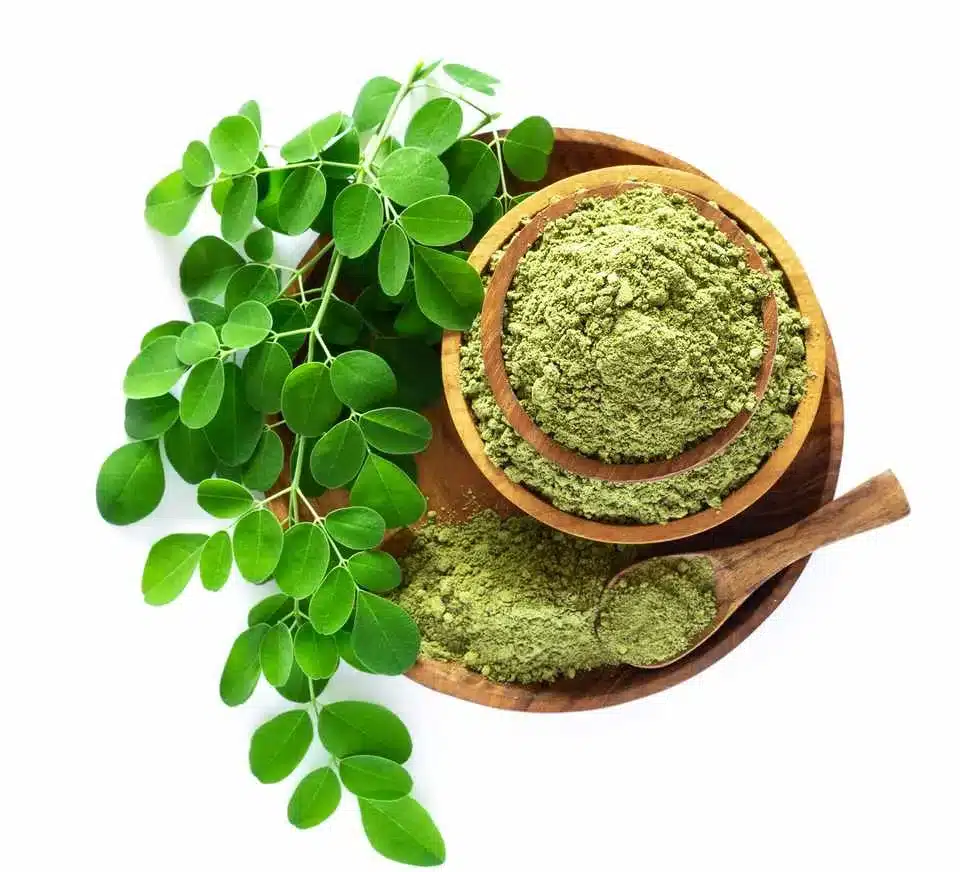
Organic moringa powder, like that produced by Amala Earth, has become increasingly popular as a nutrient-dense supplement. This green powder is derived from the leaves of the moringa tree and is packed with an impressive array of vitamins, minerals, and antioxidants.
The Nutritional Powerhouse of Moringa
The nutritional profile of moringa is nothing short of extraordinary. Gram for gram, moringa leaf powder contains:
9 times the protein of yogurt
15 times the potassium of bananas
1.5 times the vitamin A of carrots
25 times the iron of spinach
17 times the calcium of milk
12 times the vitamin E of almonds
This makes moringa one of the most nutrient-dense plants on the planet. Its high antioxidant content helps the body eliminate toxins and fight oxidative stress, which is linked to numerous chronic diseases.
Moringa is also known for its potential to reduce blood sugar levels, making it beneficial for those managing diabetes. Some studies have even suggested that moringa may have anti-aging effects and could help relieve symptoms associated with menopause.
Harnessing the Power of Moringa in Your Diet
Incorporating moringa into your daily routine is surprisingly easy. The most common form is moringa powder, which can be added to smoothies, juices, or even sprinkled over salads. Start with a small amount, about half a teaspoon, and gradually increase as you become accustomed to its taste.
For a quick and easy nutrient boost, try mixing moringa powder into your morning glass of water or juice. You can also add it to soups, sauces, or even baked goods for an extra nutritional punch.
Moringa tea is another popular option. Simply steep dried moringa leaves in hot water for a refreshing and nutritious beverage. Some people even use moringa leaves fresh in salads or cooked in stir-fries, much like spinach.
When shopping for moringa products, always choose organic options to ensure you’re getting the purest form of this superfood. Look for products that are 100% pure moringa leaf powder without any additives or fillers.
Remember, while moringa is generally considered safe for most people, it’s always wise to consult with a healthcare professional before adding any new supplement to your diet, especially if you’re pregnant, nursing, or taking medications.
5. Wheatgrass: The Green Elixir of Life
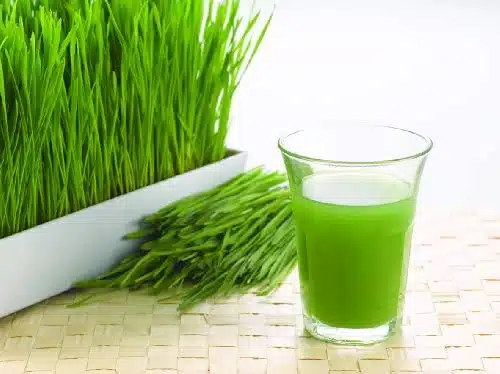
Wheatgrass, derived from the freshly sprouted leaves of the common wheat plant (Triticum aestivum), has been hailed as a superfood for decades. This vibrant green plant is packed with nutrients and is often consumed in juice or powder form for its numerous health benefits.
Kapiva, an Ayurveda nutrition brand, has taken wheatgrass to the next level with their Wheat Grass Juice. What sets their product apart is the meticulous care taken in harvesting the wheatgrass at its nutritional peak – on the eighth day of growth. This ensures maximum chlorophyll content and optimal nutritional value.
The Nutritional Prowess of Wheatgrass
Wheatgrass is a nutritional powerhouse, boasting an impressive array of vitamins, minerals, and antioxidants. It’s particularly rich in chlorophyll, the pigment that gives plants their green color and is often referred to as “green blood” due to its similarity to hemoglobin in human blood.
The health benefits of wheatgrass are wide-ranging:
Alkalizing Properties: Wheatgrass helps support an alkaline environment in the body, which is believed to protect against various diseases and promote overall health.
Energy Boost: Many people report increased energy levels after consuming wheatgrass, likely due to its rich nutrient content.
Immune Support: The high concentration of vitamins and minerals in wheatgrass can help strengthen the immune system, potentially reducing the frequency and severity of illnesses.
Detoxification: Wheatgrass is known for its detoxifying properties, helping the body eliminate harmful toxins and supporting liver function.
Metabolism Enhancement: Regular consumption of wheatgrass may help improve metabolism, aiding in weight management and overall digestive health.
Skin and Hair Health: The nutrients in wheatgrass can contribute to healthier skin and hair, promoting a youthful appearance from the inside out.
Incorporating Wheatgrass into Your Routine
While the thought of drinking grass might not sound appealing at first, there are many ways to incorporate wheatgrass into your diet:
Wheatgrass Shots: For the brave, a straight shot of wheatgrass juice is a quick way to get your daily dose. Start with a small amount and gradually increase as you get used to the taste.
Smoothies: Add wheatgrass powder or juice to your morning smoothie. The sweet fruits will help balance out the strong flavor of the wheatgrass.
Juices: Mix wheatgrass juice with other vegetable juices like carrot or apple for a more palatable drink.
Capsules or Tablets: For those who don’t enjoy the taste, wheatgrass supplements in capsule or tablet form are available.
Topical Application: Some people use wheatgrass juice topically as part of their skincare routine, believing it can help with skin healing and rejuvenation.
When purchasing wheatgrass products, always opt for organic varieties to ensure you’re getting the purest form without any pesticides or harmful chemicals.
As with any supplement, it’s advisable to start with small amounts and consult with a healthcare professional before making wheatgrass a significant part of your diet, especially if you have any existing health conditions or are taking medications.
Conclusion: Embracing Organic for Optimal Health
As we conclude our exploration of these five powerful organic ingredients – Tulsi, Honey, Quinoa, Moringa, and Wheatgrass – it’s clear that nature provides us with an abundance of nutritional treasures. Each of these superfoods offers unique benefits that can significantly enhance our overall health and well-being.
Incorporating these organic ingredients into your diet is more than just a health trend; it’s a commitment to nourishing your body with the purest, most nutrient-dense foods available. By choosing organic, you’re not only benefiting your own health but also supporting sustainable farming practices that are better for the environment.
Remember, while these ingredients are incredibly beneficial, they should be part of a balanced, varied diet. No single food can provide all the nutrients we need. The key to optimal health lies in diversity – both in the foods we eat and the sources from which we obtain them. As you embark on your journey towards a healthier lifestyle, keep an eye out for these organic superfoods on your next shopping trip. Experiment with different ways of incorporating them into your meals and listen to your body as it responds to these natural, nutrient-rich foods.
As a journalist, Lydia Imasuen covers health, lifestyle, and food with clarity and depth. Her writing explores wellness, nutrition, and modern living in a way that resonates with diverse audiences. She is passionate about sharing credible information through compelling stories. Lydia’s work reflects a commitment to quality journalism.