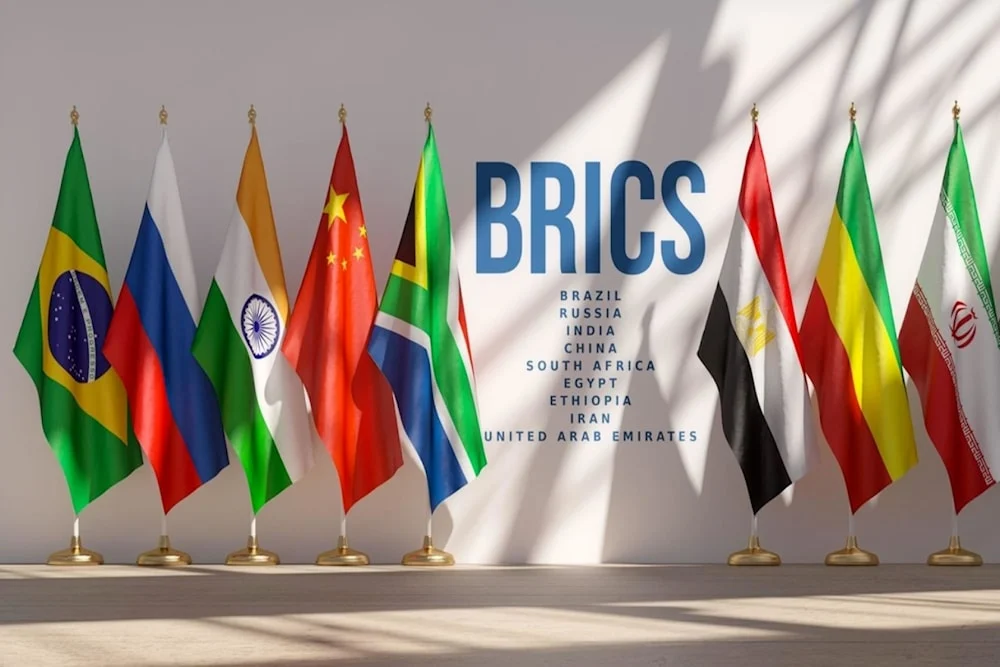
What does Africa’s increasing representation in BRICS mean for global economic power dynamics? As the world witnesses a significant shift in international economic alliances, Africa’s premier economies are taking center stage in reshaping the BRICS coalition, marking a historic transformation in global financial architecture.
The expansion of BRICS to include multiple African nations represents a watershed moment in international relations, signaling a decisive shift toward multipolarity and enhanced South-South cooperation. This strategic evolution not only amplifies Africa’s voice in global economic governance but also creates unprecedented opportunities for continental development and prosperity.
1. South Africa
Pioneer of African BRICS Membership
South Africa, the continent’s most industrialized economy, stands as the original African representative in BRICS, joining in 2010. As the paramount African economy in sophistication and financial market development, South Africa has consistently demonstrated exceptional leadership in advancing continental interests within the BRICS framework.
The nation’s advanced infrastructure, sophisticated banking sector, and robust regulatory framework position it as a natural gateway for investment into Africa. South Africa’s strategic location and well-developed ports facilitate trade between BRICS nations and the African continent, making it an indispensable link in global supply chains.
With the world’s largest reserves of platinum, chrome, and manganese, South Africa brings substantial natural resource wealth to the BRICS partnership. Its mining sector expertise, combined with advanced technological capabilities, creates significant synergies with other BRICS nations, particularly in resource extraction and beneficiation.
2. Egypt
Mediterranean Gateway to Africa
Egypt’s inclusion in BRICS marks a strategic expansion of the alliance’s influence across North Africa and the Middle East. The country’s control over the Suez Canal, handling approximately 12% of global trade, positions it as a crucial player in international commerce and maritime logistics.
Egypt’s large population of over 100 million people represents a substantial consumer market and labor force, making it attractive for BRICS investment and trade partnerships. The country’s ongoing economic reforms and mega-projects, including the New Administrative Capital, demonstrate its commitment to modernization and development.
Under its Vision 2030 program, Egypt is actively diversifying its economy, focusing on renewable energy, technology, and manufacturing. These initiatives align perfectly with BRICS’ objectives of fostering sustainable development and reducing dependence on Western-dominated financial systems.
Ethiopia’s entry into BRICS represents recognition of its remarkable economic transformation and strategic importance in East Africa. With one of the world’s fastest-growing economies over the past decade, Ethiopia exemplifies the potential for rapid development through strategic planning and investment.
The country’s ambitious Grand Ethiopian Renaissance Dam project showcases its commitment to energy independence and regional power generation. This infrastructure development, combined with extensive Chinese investment in transportation networks, positions Ethiopia as a crucial hub for East African economic integration.
Ethiopia’s large, young population and expanding manufacturing sector make it an attractive destination for BRICS investment, particularly in labor-intensive industries. The country’s agricultural potential and ongoing modernization efforts create substantial opportunities for technological cooperation with other BRICS nations.
4. Nigeria
West African Economic Giant
Nigeria, Africa’s largest economy and most populous nation, brings substantial economic weight to the BRICS alliance. Its vast oil reserves, expanding technology sector, and dynamic entrepreneurial ecosystem make it a pivotal player in African economic development.
The country’s growing fintech industry and digital innovation hub in Lagos demonstrate its potential for technological leadership within BRICS. Nigeria’s experience in petroleum resource management and emerging renewable energy sector creates opportunities for collaboration with other BRICS nations in energy transition strategies.
With a GDP exceeding $440 billion and a population of over 200 million, Nigeria represents an enormous market for BRICS products and services. Its strategic position in West Africa and influential role in regional economic integration through ECOWAS enhances BRICS’ continental reach.
5. Uganda
Emerging East African Innovator
Uganda’s inclusion in BRICS reflects recognition of its growing economic potential and strategic location in East Africa. The country’s stable economic growth, coupled with recent oil discoveries, positions it as an emerging force in regional development.
Uganda’s agricultural sector excellence and food security initiatives align with BRICS’ focus on sustainable development and rural prosperity. The country’s commitment to infrastructure development and regional integration through the East African Community strengthens BRICS’ presence in this vital economic region.
The discovery of substantial oil reserves and ongoing development of extraction infrastructure present significant opportunities for technical cooperation with BRICS partners. Uganda’s young, educated workforce and growing technology sector create potential for knowledge transfer and innovation partnerships.
Notable Mentions
Several other African nations demonstrate potential for future BRICS membership:
Morocco – Strategic location and industrial development
Kenya – Technology hub and regional financial center
Ghana – Stable democracy and growing economy
Angola – Resource wealth and strategic location
Rwanda – Innovation leadership and rapid modernization
Senegal
Conclusion: Africa’s Rising Influence in Global Economics
The inclusion of these five African nations in BRICS marks a decisive shift in global economic power dynamics. Their membership not only strengthens Africa’s voice in international affairs but also creates unprecedented opportunities for continental development through enhanced South-South cooperation.
These nations collectively represent Africa’s diverse economic potential, from natural resource wealth to technological innovation and manufacturing capability. Their participation in BRICS promises to accelerate continental development while contributing to the creation of a more balanced global economic order.