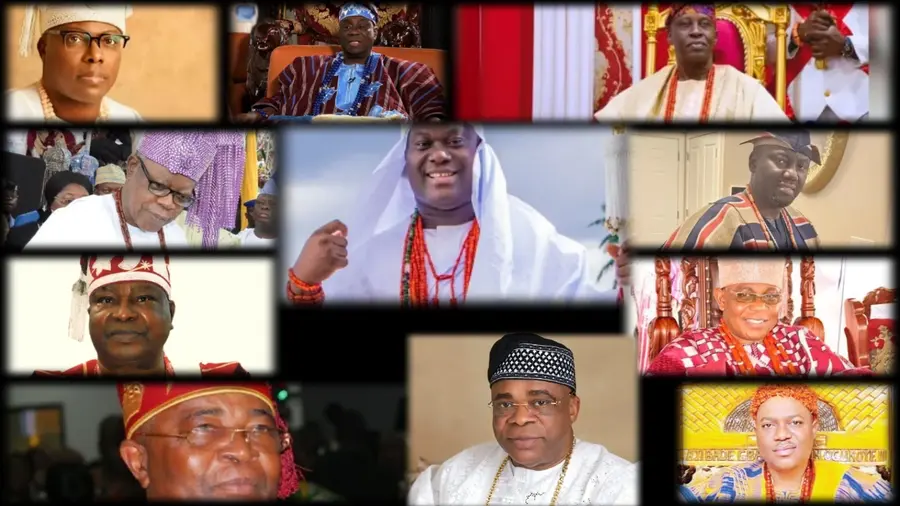
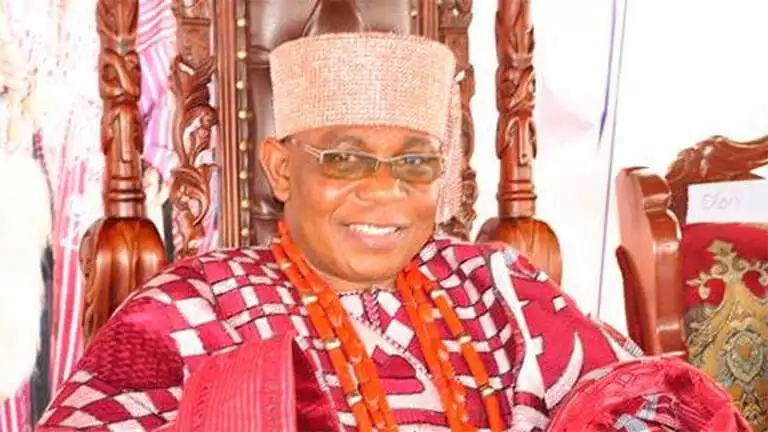
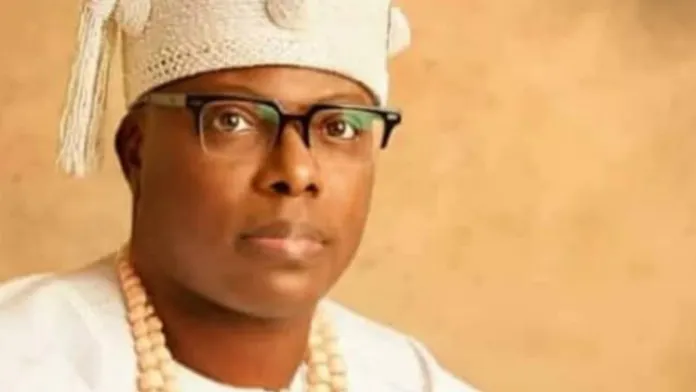
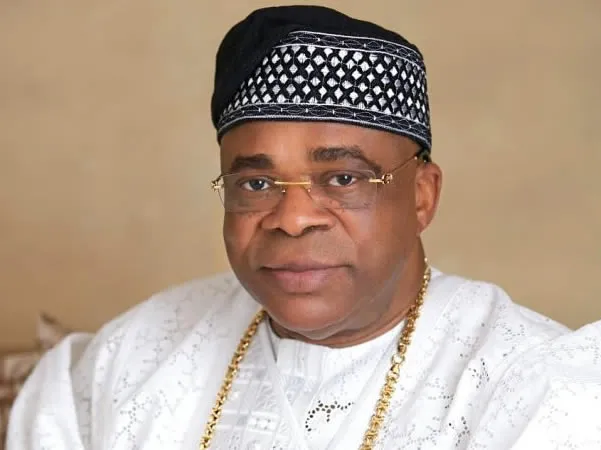
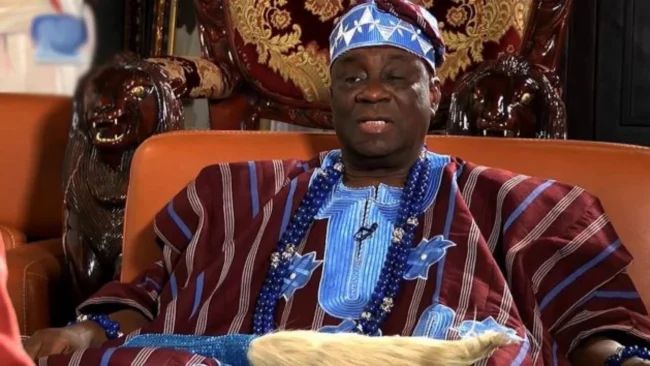
Yorubaland, comprising southwestern Nigeria, is steeped in a tradition of royal lineages and Yoruba kings who serve as cultural custodians. These monarchs trace their ancestry to Oduduwa and are deeply revered in Yoruba society. The Ooni of Ife, for example, is regarded as the foremost traditional ruler and spiritual anchor of the Yoruba people. Each monarch commands respect and performs vital cultural and community roles, often viewed as paramount or even semi-divine figures in local hierarchy. What makes these rulers so significant in the cultural landscape of Nigeria? In answering this, it’s clear that Yoruba kings (both historical and current ones) are seen as unifying figures whose influence extends beyond their domains. From royal ceremonies to development initiatives, their presence is a symbol of tradition and continuity. Throughout this review, we highlight the premier (and yes, best) 15 monarchs in Yorubaland, spanning historic legacies and living leaders, and we explore their cultural impact on Yoruba history and contemporary society.
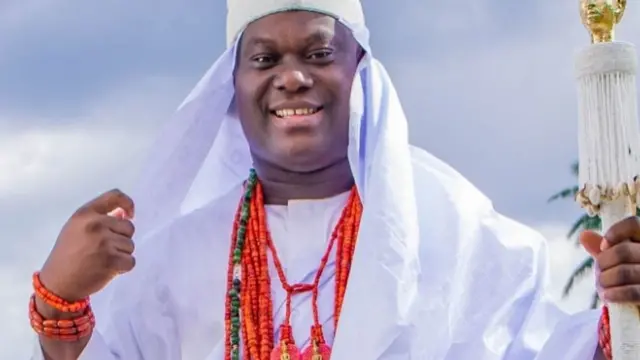
The Ooni of Ife is the paramount spiritual leader of the Yoruba race, regarded as a descendant of Oduduwa and custodian of Yoruba heritage. Based in Ile-Ife (Osun State), often called the cradle of the Yoruba people, the Ooni’s palace is a vital shrine of tradition. Oba Adeyeye Ogunwusi (Ooni Ojaja II) has used his platform to promote culture, education and unity. He is widely considered one of the greatest contemporary Yoruba kings and frequently addresses pan-Yoruba issues such as peace and development. The Ooni attracts national and international attention, participating in global forums, which underscores his unique status as a Yoruba monarch. In Yoruba belief, he is seen as second only to God (Olodumare) in spiritual authority. His reign has popularized numerous cultural festivals and educational scholarships, reinforcing why many regard him as one of the most distinguished figures of tradition today. What makes the Ooni’s influence so enduring? By reviving festivals like Olojo and engaging youth initiatives, he ensures that Yoruba culture remains vibrant and unrivaled in prestige.
The Alaafin is the historical emperor of the old Oyo Empire and today remains the political head of the Yoruba people. His title literally means “custodian of the palace,” reflecting his role as former ruler of a once-vast realm. Oba Abimbola Owoade I became the 46th Alaafin in 2022, succeeding Alaafin Lamidi Adeyemi III. As a living monarch, he holds a powerful symbolic position: he alone appoints all-Yoruba chieftains (e.g. Aare Ona Kakanfo). The Alaafin’s history is interwoven with the Oyo Mesi, a council that once balanced imperial power. Today the Alaafin is celebrated as a premier Yoruba king whose heritage includes ancient palaces and Oyo ceremonies. His reign highlights the blend of political and spiritual duties typical of the greatest Yoruba monarchs, maintaining ceremonies like the Ogun festival in Oyo. Overall, the Alaafin’s legacy as one of the foremost royal figures emphasizes both historic prestige and modern leadership.
The Awujale of Ijebuland is the paramount ruler of the Ijebu people (an Ogun State kingdom). As the 56th Awujale (Oba S.K. Adetona, GCON), he reigns over Ijebu Ode and surrounding areas. The Ijebu have a famous reputation for business acumen, and the Awujale serves as both spiritual leader and political voice for this community. Having served for over six decades, the current Awujale is also one of Nigeria’s longest-reigning monarchs, making him one of the most prominent Yoruba kings in recent memory. He is deeply involved in community development and the annual Ojude Oba festival, which draws massive crowds each year. His leadership exemplifies a peerless blend of tradition and modern engagement. By supporting education and local commerce, the Awujale of Ijebu has solidified his status as a Yoruba king whose influence is both historical and contemporary.
The Alake is the king of Egba in Abeokuta (Ogun State). As 42nd Alake (Oba Gbadebo), he rules over Egba Abeokuta and several outlying Egba clans (Ake, Owu, Oke-Ona, Gbagura). This throne was central during colonial resistance, and today the Alake is seen as a cultural champion. He promotes education, healthcare and infrastructure, continuing Egba traditions of self-reliance. The Alake’s stool is highly esteemed; historically, Egba royals were among the finest strategists in Yoruba history. Under Oba Gbadebo’s leadership, Egba festivals and palaces have been restored, ensuring that his kingdom’s heritage is preserved. His engagements with government and private institutions show how contemporary Yoruba kings bridge the past and present. He is considered a key figure in the southwest, making him one of the leading monarchs in Yorubaland.
The Olubadan is the king of Ibadan, the largest city in Oyo State. This title means “Lord of Ibadan,” reflecting the city’s history as a proud Yoruba capital. The 42nd Olubadan (late Oba Saliu Adetunji) was recently succeeded by Oba Lekan Balogun. Ibadan’s influence in commerce, education and politics is immense, and the Olubadan is seen as its foremost protector. He presides over cultural events like the Sango festival and museums. Historically, Ibadan was second only to the Oyo Empire, so the Olubadan is often viewed as a distinguished Yoruba king with far-reaching prestige. Many describe the Olubadan as top-notch among regional rulers, thanks to his city’s contributions to Nigeria’s development. Today’s Olubadan continues the legacy of unity and service, emphasizing the king’s role in civic life.
The Soun is the traditional ruler of Ogbomoso, a major town in Oyo State. Oba Ghandi Afolabi Olaoye Orumogege III (the 35th Soun) has reigned since 2005. As brother to the Awujale of Ijebu, he shares a powerful royal lineage. Ogbomoso was historically a stronghold of the old Oyo Empire, and the Soun’s palace is notable for its heritage. He is responsible for preserving local customs, including recounting the history of Ogbomoso’s wars. The current Soun is known for educational initiatives and modernization efforts, balancing tradition with city growth. He is widely respected as one of the leading Yoruba kings in Oyo, symbolizing Ogbomoso’s proud identity. By virtue of ancestry and action, the Soun stands among the greatest traditional rulers in southwestern Nigeria.
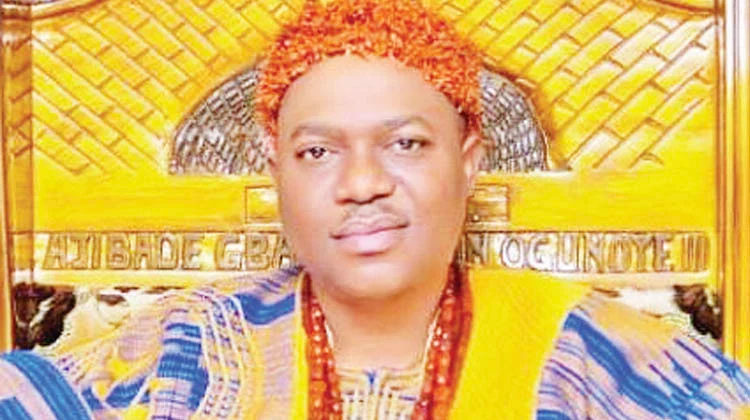
7. Olowo of Owo – Oba Ajibade Gbadegesin Ogunoye III
The Olowo of Owo is the paramount Yoruba ruler of Owo town in Ondo State. Owo was once a Yoruba capital (c.1400–1600 AD), and its king is therefore highly revered. Oba Ajibade Gbadegesin Ogunoye III (Olowo Ogunoye) has been on the throne since 2019 as the 32nd Olowo. This monarchy is famous for its distinctive palace and art (a UNESCO World Heritage site nearby). The Olowo presides over many ceremonial rites and promotes cultural festivals such as Akales. As the premier monarch of Owo, he carries a heritage that spans centuries. His role today includes fostering tourism and peace in his city. The Olowo is considered a leading figure in Yoruba royalty, ranking among the finest kings for upholding age-old traditions.
8. Deji of Akure – Oba Aladetoyinbo Ogunlade Aladelusi (Odundun II)
The Deji is the traditional ruler of Akure, the capital of Ondo State. Oba Aladetoyinbo Aladelusi (Odundun II) became the 47th Deji in 2015. Akure is a historic city and once played key roles in regional politics. The Deji oversees local festivals (like Oba’s Day) and maintains Akure’s cultural sites. He engages in development projects and acts as chancellor for traditional councils in Ondo. Akure’s Deji is widely seen as an outstanding Yoruba monarch who bridges old and new: he is active in global forums, and hosts educational scholarships. His role is so influential that he sits on several state councils. While the Deji’s authority is more local than the Alaafin’s, he still commands high respect in Yorubaland, making him one of the premier kings of the Yoruba.
9. Oniru of Iruland – Oba Abdulwasiu Omogbolahan Lawal (Abisogun II)
The Oniru is the king of Iruland, a Lagos Island region. Oba Abdulwasiu Lawal (Oniru Abisogun II) has reigned since 2004 and is a prominent living monarch. He has been a vocal advocate of Yoruba arts and culture in Lagos. For example, during his recent coronation anniversary, he inaugurated the “LeGIT” (Let’s Grow Iru Together) development agenda. He regularly visits cultural institutions (like Terra Kulture) to promote tourism, education and peace. The Oniru’s tenure exemplifies a modern traditional ruler balancing heritage with civic engagement. He is recognized as one of Lagos’s most influential kings and a renowned Yoruba leader. His commitment to unity and culture highlights why many consider him one of the top Yoruba monarchs in Nigeria’s biggest city.
The Owa Obokun Adimula of Ijesaland is the king of Ilesha and the broader Ijesa people (Osun State). By lineage he is a direct descendant of Oduduwa and Owa Ajibogun, making this stool highly prestigious. Oba Clement Adesuyi Haastrup was installed as the 49th Owa in 2024 amid much attention. All Ijesa kings are regarded as some of the most prominent Yoruba rulers. He sits as deputy chairman of the Osun State Council of Obas, reflecting his status. The Owa’s domain has a rich cultural heritage (Ijesa are famed for gold and art), and he acts as a guardian of that heritage. He has launched development programs in health and education. As a traditional ruler, he is highly respected and often described as one of the greatest surviving descendants of the Oduduwa lineage. The Owa Obokun’s role is both ceremonial and charitable, solidifying his place among the leading Yoruba kings of Nigeria.
The Timi is the monarch of Ede town (Osun State). Oba Munirudeen Lawal, the 13th Timi, ascended the throne in 2002. Ede is a historic city (near old Ife) and its king is considered a key Yoruba leader. The Timi is known for modern scholarship; Oba Lawal has served as Deputy Chairman of Osun’s Council of Obas. He often visits educational and religious institutions in the community. The Timi’s palace is a center for traditional ceremony, including the Ede New Yam Festival and Egungun festivities. His role emphasizes cultural preservation and community unity, showing why he is one of Nigeria’s premier Yoruba kings today.
12. Oba of Lagos – Oba Rilwan Babatunde Aremu Akiolu
The Oba of Lagos is the monarch of Lagos Island, traditionally a Yoruba kingdom. Oba Rilwan Akiolu, from Yoruba-Benin royal lineage, has ruled since 2003. He is widely known in Nigeria and beyond. The Lagos throne is eminent because Lagos is the nation’s largest city; the Oba is often called on in state affairs. According to his biography, Akiolu “is the incumbent Oba of Lagos,” exercising ceremonial and advisory functions. He has hosted numerous state visits and cultural festivals, like Eyo. His role is a bridge between Lagos’s history as a Yoruba port and its modern global city status. Among Nigerians, the Oba of Lagos is certainly one of the top monarchs, blending royal dignity with activism.
The Akarigbo is the paramount ruler of Remoland (centered in Sagamu, Ogun State). Oba Babatunde Ajayi, Torungbuwa II, became the 19th Akarigbo in 2017. Remoland historically consisted of Ijebu refugees who founded Sagamu (late 19th century), so the Akarigbo’s title carries deep history. According to tradition, “the Akarigbo of Remoland is the royal title of the paramount ruler of the thirty-three towns that make up the Remo kingdom in Ogun State.” The Akarigbo leads the Remo council of Obas, and Sagamu is known for its festivals and trade (especially kola nuts). He is a respected foremost leader who bridges many communities. Modern Akarigbos engage in education and culture, ensuring that their kingdom remains prosperous. Thus the Akarigbo of Sagamu is seen as a superlative example of a Yoruba king who upholds a proud regional legacy.
The Olowu of Owu is the king of the Owu people, primarily based in Abeokuta (Ogun State). According to history, “the Olowu of Owu is the paramount Yoruba king of Owu kingdom.” This seat dates to the 16th century when Owu refugees established Abeokuta. Oba Olusanya Dosunmu, the current Olowu, ascended in 2005. He oversees Ogboni and Ologun (military) chiefs and patronizes Owu traditions. Abeokuta’s history (also home to the Alake) means the Olowu’s role is significant. The Olowu has worked on preserving Owu heritage and integrating it with modern life. In Yoruba society, the Olowu is respected as a distinguished monarch whose lineage is one of the “original kings in Yorubaland.” His standing among Yoruba kings is high, making him one of the leading rulers in Ogun State.
The Osemawe is the king of Ondo town (Ondo State). Oba Adesimbo Kiladejo became the 44th Osemawe in 2006. The dbpedia summary states: “The Osemawe of Ondo Kingdom is the paramount Yoruba king of Ondo Kingdom.” He derives his title from an Alaafin comment (Olu-Pupupu), symbolizing a connection to Oyo heritage. Ondo town is known for being the state’s origin, and the Osemawe thus ranks among the oldest Yoruba chieftaincies. He is a key cultural figure, hosting festivals like the annual Igogo and elephant grass festival. In contemporary times, Oba Kiladejo engages with governance and education, and works on preserving Ondo’s Yoruba heritage. His role as monarch has statewide reach, making him one of the top Yoruba kings in modern Nigeria. His status is so prominent that he is often called on to advise state leaders.
Conclusion
Traditional Yoruba kings remain iconic pillars of culture and unity in southwestern Nigeria. Each monarch on this list – from the greatest historical figures to today’s most prominent rulers – symbolizes a rich legacy. They preserve customs and foster community development while reinforcing the Yoruba people’s identity. Whether seated on ancient thrones or newly crowned, the Yoruba kings we have discussed continue to wield cultural influence that is unmatched. Their revered positions, backed by history and modern leadership, ensure that the traditions of Yorubaland thrive. As these paramount rulers guide their people, the heritage they protect and the progress they champion keep them at the forefront of Nigeria’s cultural landscape.
Tags: Yoruba kings, traditional rulers, Yoruba culture, Nigerian monarchs, Ooni of Ife, Oba of Lagos, Alaafin of Oyo
Lucas Igwe is an educational writer based in Awka with a passion for creating insightful and engaging content on learning, career development, and academic success. He specializes in simplifying complex educational topics for students, parents, and educators. His writing combines research, clarity, and practical advice. Lucas is committed to promoting quality education through impactful storytelling.