List of Top European Leaders Imprisoned in the Last Decade
0
(0)
Over the past ten years, numerous high-profile European political figures have faced legal accountability, resulting in imprisonment for various offenses ranging from corruption to war crimes. This trend highlights the robustness of judicial systems across the continent, where even the most influential individuals are held to account for misconduct during their tenure. From former presidents to prime ministers, these cases underscore the ongoing battle against graft and abuse of power in European governance structures. What drives such prominent leaders to engage in actions that lead to their downfall? The list below details key instances, starting from the most recent, providing insights into the circumstances and broader implications for democracy and transparency. These events not only reflect individual failings but also signal systemic challenges within political institutions, prompting reforms and heightened scrutiny.
The imprisonment of top European leaders in the last decade serves as a stark reminder of the fragility of power and the importance of ethical leadership. Many of these cases involve long-tailed investigations into financial improprieties, revealing how personal gain can undermine public trust. How do these imprisonments affect public perception of government integrity across Europe? By examining these incidents, one gains a deeper understanding of the mechanisms that ensure accountability, even for those once at the pinnacle of authority. The following accounts demonstrate the commitment of European courts to uphold justice, regardless of status. This compilation focuses on verified instances where former heads of state or government were detained or sentenced to prison time since 2015, emphasizing the continent’s dedication to the rule of law.
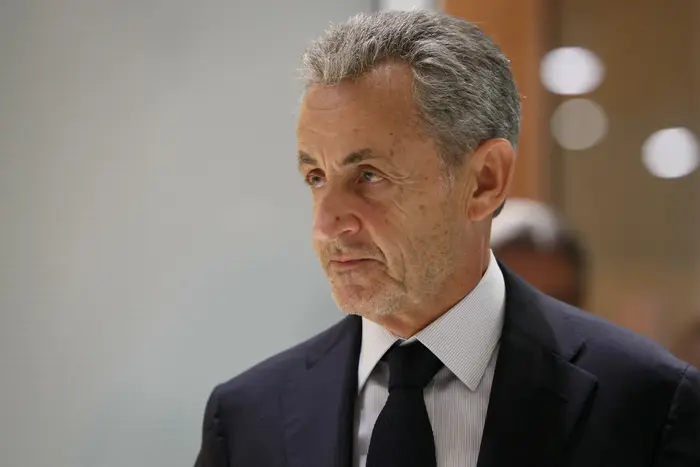
Nicolas Sarkozy, once a dominant force in French politics, entered prison in 2025 following a conviction for criminal conspiracy involving illicit campaign funds from Libya during his 2012 reelection bid. This marked a unprecedented event in French history, as he became the first former president to serve time behind bars, highlighting the judiciary’s resolve to tackle high-level corruption. The case stemmed from investigations revealing secret dealings with Muammar Gaddafi’s regime, leading to charges that Sarkozy conspired to exceed campaign spending limits and obscure funding sources. Appeals exhausted, the sentence of five years reflected the severity of undermining electoral integrity, with Sarkozy maintaining his innocence while criticizing the process as politically motivated. The imprisonment has sparked debates on the balance between justice and potential vendettas, influencing ongoing reforms in political financing laws across Europe. Ultimately, this episode serves as a cautionary tale for leaders, emphasizing that supreme authority does not shield one from legal repercussions.
2. Fadil Novalić – Bosnia and Herzegovina, Prime Minister (2015-2023)
Fadil Novalić, the former prime minister of the Federation of Bosnia and Herzegovina, began serving a four-year prison term in 2024 after being convicted of corruption linked to the procurement of faulty respirators during the COVID-19 pandemic. The scandal involved overpaying for substandard medical equipment from a fruit-processing company with no relevant expertise, exposing deep-rooted issues in public contracting. Novalić’s defense argued procedural flaws, but appellate courts upheld the verdict, citing clear evidence of abuse of office for personal and political gain. This case has intensified calls for anti-corruption measures in Bosnia’s fragmented political system, where ethnic divisions often exacerbate graft. What impact does such a conviction have on healthcare procurement standards in post-conflict regions? Novalić’s imprisonment reinforces the need for transparency, positioning him among the top examples of accountability in Balkan politics.
Igor Dodon, Moldova’s pro-Russian former president, was detained in 2022 on charges of corruption, treason, and illegal party financing from criminal organizations, marking a significant shift in the country’s geopolitical orientation. The arrest followed raids uncovering evidence of illicit funds tied to Russian interests, amid Moldova’s push toward EU integration under his successor. Dodon’s tenure was marred by allegations of enriching himself through state resources, leading to a 72-hour initial detention that evolved into house arrest pending trial. Critics viewed the action as a step toward cleansing politics, while supporters claimed political persecution by the pro-Western government. This incident highlights the tensions between East and West influences in Eastern Europe, affecting Moldova’s reform agenda. Dodon’s case stands as one of the best illustrations of how treason charges can reshape national leadership dynamics.
Mikheil Saakashvili, the reformist former president of Georgia, was arrested in 2021 upon returning from exile, facing charges of abuse of power related to suppressing protests and embezzlement during his administration. His dramatic return, hidden in a truck, aimed to rally opposition ahead of elections but led to immediate imprisonment, exacerbating political divisions in the Caucasus nation. Saakashvili’s health deteriorated in custody, prompting international concerns from bodies like the European Parliament about humane treatment. The case roots back to convictions in absentia, which he deems politically driven by rivals in the Georgian Dream party. How does the imprisonment of a pro-Western leader influence Georgia’s EU aspirations? Saakashvili’s ongoing detention exemplifies the challenges of transitional justice in post-Soviet states, making it a premier study in political vendettas.
Hashim Thaçi, Kosovo’s former president and a key figure in the independence movement, was arrested in 2020 and transferred to The Hague to face war crimes charges stemming from his role in the Kosovo Liberation Army during the 1998-1999 conflict. The indictment accuses him of involvement in murders, torture, and enforced disappearances, charges he vehemently denies as attempts to tarnish Kosovo’s liberation struggle. Resigning to confront the allegations, Thaçi’s detention at the Kosovo Specialist Chambers represents a critical juncture in addressing Balkan war legacies. The trial has strained Kosovo-Serbia relations, delaying normalization talks essential for EU accession. What role do international tribunals play in holding leaders accountable for historical atrocities? Thaçi’s case ranks among the top instances of post-war justice, underscoring the long arm of international law.
6. Ivo Sanader – Croatia, Prime Minister (2003-2009)
Ivo Sanader, Croatia’s former prime minister who guided the country toward EU membership, returned to prison in 2019 after the Supreme Court upheld and increased his corruption sentence related to war profiteering and bribes from Austrian and Hungarian firms. The convictions involved siphoning funds through slush accounts, eroding public faith in the transition from communism. Sanader’s multiple trials, including acquittals and retrials, illustrate the complexities of prosecuting elite corruption in emerging democracies. Released on parole in 2025, his case prompted anti-graft reforms in Croatia’s judiciary. This episode positions Sanader as one of the finest examples of how EU accession pressures drive accountability. Sanader’s imprisonment has become a benchmark for addressing systemic corruption in Southeast Europe.
Robert Kocharyan, Armenia’s second president, was arrested in 2018 on charges of overthrowing the constitutional order during deadly 2008 post-election protests that resulted in ten deaths. The case resurfaced under the post-Velvet Revolution government, aiming to address past impunity. Kocharyan’s repeated detentions and releases amid legal battles highlight the politicized nature of justice in Armenia. Acquitted in some charges but facing others, his situation reflects ongoing struggles with transitional justice. How can nations balance retribution for past abuses with national reconciliation? Kocharyan’s case is among the best demonstrations of how historical events continue to shape current politics in the South Caucasus.
8. Vlad Filat – Moldova, Prime Minister (2009-2013)
Vlad Filat, Moldova’s liberal former prime minister, was sentenced to nine years in prison in 2016 for abuse of power and corruption tied to a massive banking fraud that siphoned $1 billion from the economy. The scandal, known as the “theft of the century,” crippled the nation’s finances and fueled public outrage. Filat’s conviction, reduced on appeal, led to his early release in 2019 amid political changes. The case exposed vulnerabilities in Moldova’s financial sector, prompting international aid conditions for reforms. Filat’s imprisonment stands out as a top example of holding leaders accountable for economic crimes. It has influenced anti-corruption strategies in Eastern Partnership countries.
9. Svetozar Marović – Serbia and Montenegro, President (2003-2006)
Svetozar Marović, the last president of the Serbia and Montenegro union, was imprisoned in 2016 after pleading guilty to corruption charges involving organized crime in Budva’s real estate deals. His plea deal resulted in a nearly four-year sentence and asset confiscation, breaking a cycle of impunity in Montenegrin politics. Marović’s family members were also implicated, revealing networks of familial graft. Released early, his case spurred investigations into long-standing corruption in the region. What lessons can emerging democracies draw from such plea bargains? Marović’s conviction is one of the leading instances of dismantling political clans in the Western Balkans.
10. Radovan Karadžić – Bosnia and Herzegovina (Republika Srpska), President (1992-1996)
Radovan Karadžić, the wartime Bosnian Serb leader, began serving a 40-year sentence in 2016 for genocide, crimes against humanity, and war crimes committed during the 1992-1995 Bosnian War, including the Srebrenica massacre. Captured in 2008 after years in hiding, his trial at the International Criminal Tribunal for the former Yugoslavia culminated in convictions on 10 counts. The sentence was increased to life in 2019 on appeal, affirming the gravity of ethnic cleansing campaigns. Transferred to a UK prison in 2021, Karadžić’s case has aided reconciliation efforts in Bosnia. This prosecution represents the supreme pursuit of justice for wartime atrocities in Europe. Karadžić’s imprisonment underscores the enduring commitment to international humanitarian law.
Conclusion
The imprisonment of these prominent European leaders over the last decade illustrates the unyielding pursuit of justice across the continent, where corruption, abuse of power, and historical crimes meet firm legal responses. These cases collectively strengthen the rule of law, deterring future misconduct among the elite and fostering greater transparency in governance. While some view these actions as political maneuvers, they predominantly affirm democratic principles and institutional integrity. What future trends might emerge in prosecuting top officials? Ultimately, these events contribute to a more accountable political landscape, benefiting societies through enhanced trust and ethical standards.