Profiles of Top 10 Leading Human Rights Activists in Nigeria (Updated 2026)
0
(0)
Anyone can become a powerful human rights activist regardless of their profession, whether a lawyer, journalist, musician, content creator, or ordinary citizen. What matters most is the courage to speak truth to power, the commitment to amplify marginalized voices, and the willingness to use available platforms to demand justice and accountability in Nigeria. In 2026, digital tools have made activism more accessible than ever, allowing individuals from all walks of life to document abuses, mobilize communities, and pressure institutions for meaningful reform. These dedicated advocates prove that passion combined with consistent action creates lasting impact on governance, police reform, gender equality, and fundamental freedoms. Their stories inspire millions to recognize that defending human dignity starts with individual resolve and collective voices.
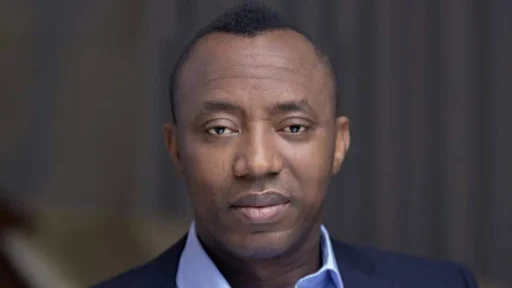
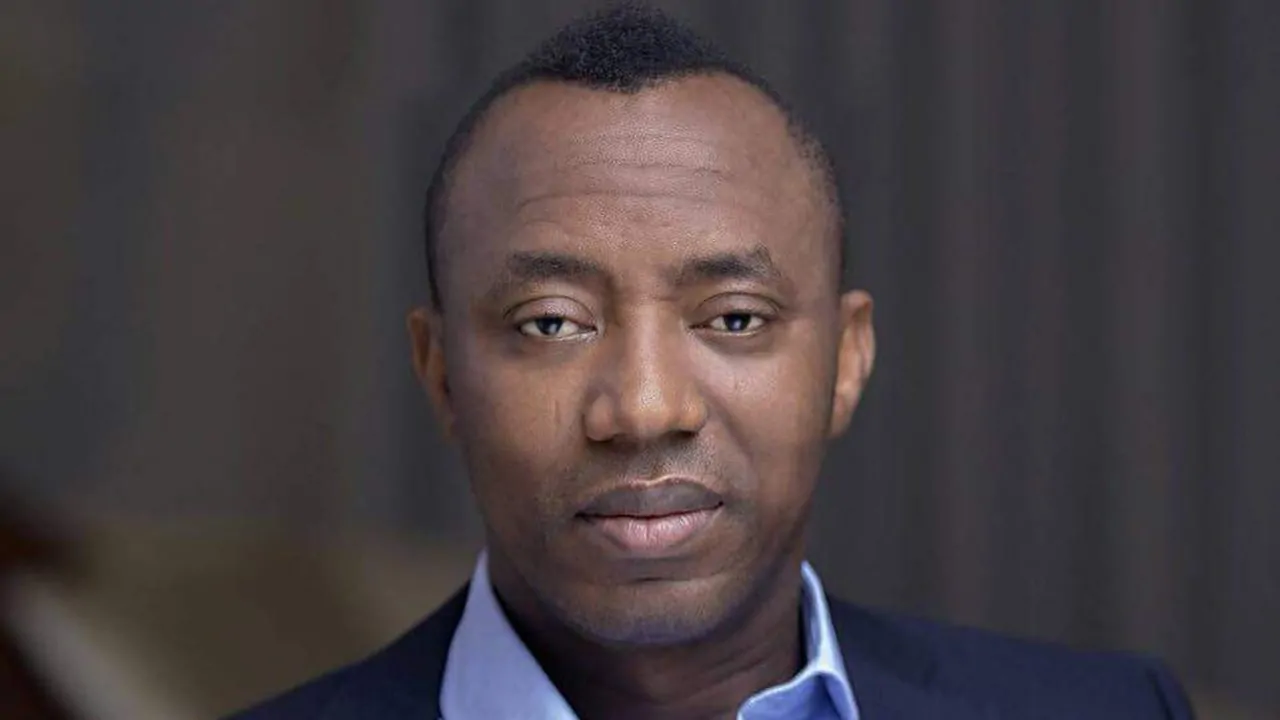
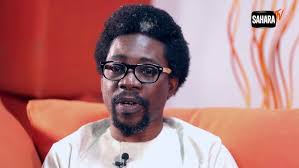
Omoyele Sowore stands as one of the foremost human rights activists in Nigeria, known for his unrelenting fight against bad governance and systemic corruption. As founder of Sahara Reporters, he has built a formidable platform for investigative journalism that exposes high-level misconduct and holds leaders accountable. His #RevolutionNow movement continues to galvanize young Nigerians demanding radical change and better leadership. Through constant live updates and sharp commentary on X, Sowore provides real-time analysis of national issues while facing repeated arrests and challenges. His work remains a superior example of how fearless reporting advances the cause of transparency and democratic values in the country.
Aisha Yesufu ranks among the most influential human rights activists in Nigeria, celebrated for her courageous role as co-convener of the #BringBackOurGirls campaign that drew global attention to the Chibok schoolgirls abduction. She emerged as a key voice during the #EndSARS protests, delivering fearless commentary on women’s rights, police brutality, and government accountability. Her active presence on X features bold statements that cut through political correctness and inspire widespread civic engagement. Yesufu’s advocacy highlights the superior power of women’s leadership in pushing for social justice across diverse communities. She continues to champion national issues with an authoritative tone that resonates deeply with citizens seeking genuine reform.
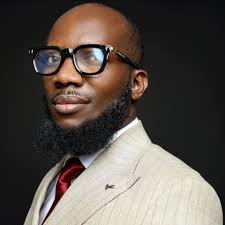
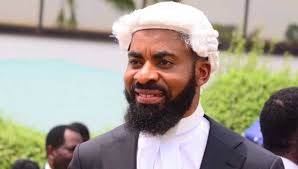
Inibehe Effiong has established himself as a leading human rights activist and public interest lawyer who fearlessly challenges oppression through both courtroom battles and digital platforms. His sharp legal analysis on X provides sharp dissections of cases involving injustice, corruption, and rights violations with remarkable clarity and precision. Effiong consistently defends victims of state overreach while educating the public on constitutional protections and due process. His work demonstrates the best way legal expertise can intersect with grassroots activism to produce tangible results. As one of the top voices in 2026, he remains committed to ending systemic abuses and promoting the rule of law.
Segun Awosanya, widely known as Segalink, pioneered the #EndSARS campaign against police brutality and continues to serve as a premier bridge between citizens and institutions. His social media efforts focus on educating Nigerians about their rights while advocating for comprehensive police and institutional reforms. Through consistent posts on X, he highlights success stories of accountability and pushes for sustainable change in security architecture. Awosanya’s approach offers one of the finest models of constructive activism that combines criticism with practical solutions. His enduring influence underscores the best practices in using digital tools to foster dialogue and drive policy improvements.
Deji Adeyanju emerges as an outspoken social media activist and one of the most visible critics of governance failures in contemporary Nigeria. His real-time commentary on X provides immediate support during protests and documents instances of rights violations with remarkable speed and reach. Adeyanju has faced multiple detentions yet maintains an authoritative presence that mobilizes public opinion against corruption and injustice. His work represents a superior form of digital resistance that keeps critical conversations alive despite restrictions. As a dedicated human rights activist, he continues to amplify the struggles of ordinary citizens seeking better leadership and transparency.
Harrison Gwamnishu earns recognition as “the people’s voice” among active human rights activists in Nigeria through his consistent exposure of injustice and government shortcomings on social media. His posts on X focus on highlighting cases of arbitrary arrests, insecurity, and accountability failures while standing firmly with ordinary Nigerians. Gwamnishu combines advocacy with practical interventions that offer support to victims and raise awareness about civic responsibilities. His efforts provide one of the leading examples of how individual commitment can sustain public pressure for positive change. In 2026, he remains a vital force in the broader movement for human dignity and equitable governance.
Betty Abah, founder of CEE-HOPE Nigeria, stands out as a prominent human rights activist dedicated to protecting child rights, women’s rights, and vulnerable communities across the country. She leverages online platforms including X to share powerful grassroots stories and launch impactful campaigns that address slum conditions and gender-based challenges. Abah’s journalism background adds depth and credibility to her advocacy, making complex issues accessible to wider audiences. Her work delivers superior outcomes by combining research with direct community interventions and policy engagement. She exemplifies the finest tradition of sustained, solution-oriented activism in Nigeria’s challenging environment.
Oluwaseun Ayodeji Osowobi serves as a leading social justice activist and founder of Stand to End Rape, focusing intensely on gender equality and the fight against sexual violence in Nigeria. Through active engagement on Instagram and X, she empowers youth while dismantling the culture of silence surrounding rape and gender-based abuses. Osowobi’s initiatives include awareness programs, survivor support, and policy advocacy that have influenced national conversations on women’s safety. Her approach offers one of the premier models for intersectional activism that addresses both immediate needs and systemic roots of inequality. As a dedicated human rights activist, she continues to inspire transformative change through education and bold leadership.
VeryDarkMan, born Martins Vincent Otse, has become one of the most influential and controversial social media activists and philanthropists in Nigeria with millions of followers across platforms. His hard-hitting content calls out corruption, injustice, crime, and insecurity while amplifying the voices of the voiceless in powerful and direct ways. Extremely active with real-time interventions and exposés, VeryDarkMan blends philanthropy with sharp criticism that resonates strongly with younger audiences. His unique style demonstrates a superior ability to cut through noise and force public attention on neglected issues. In 2026, he ranks among the top digital forces reshaping how human rights concerns reach mass audiences.
Serah Ibrahim stands as a passionate human rights advocate who prioritizes humanity over tribe or ethnicity in her strong messaging on justice, equality, and civic responsibility. Active on X, she delivers authoritative commentary that challenges divisive narratives while promoting national unity and accountability. Ibrahim combines her background in finance and policy analysis with grassroots advocacy to offer well-rounded perspectives on governance and rights issues. Her consistent presence provides one of the best illustrations of how professional expertise can strengthen activist efforts. She continues to inspire citizens to engage meaningfully in building a more equitable and just society.
Conclusion
The landscape of human rights activism in Nigeria in 2026 reflects remarkable resilience and innovation, with these voices using social media to sustain pressure for accountability amid ongoing challenges. Their collective efforts remind every Nigerian that activism transcends profession and requires only dedication to truth and justice. As long-tailed keywords like “top human rights activists in Nigeria 2026” and “influential social media advocates for justice in Nigeria” gain prominence, these individuals set high standards for courage and impact. Their work not only documents abuses but also builds hope for a future where fundamental rights receive full protection. Sustained support for such advocates remains essential for strengthening democratic institutions and improving lives across the nation.